In Pictures: The bus enthusiasts restoring Hong Kong’s iconic double-decker
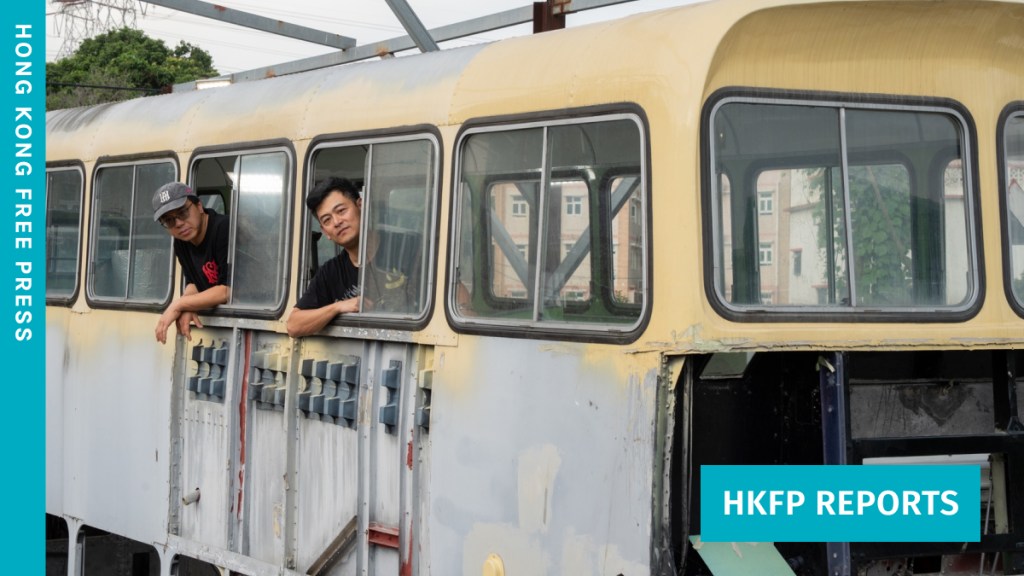
When Chung and Terrence bought their double-decker bus from a tunnel operator in 2015, the vehicle had been used for accident simulation and training for close to two decades.
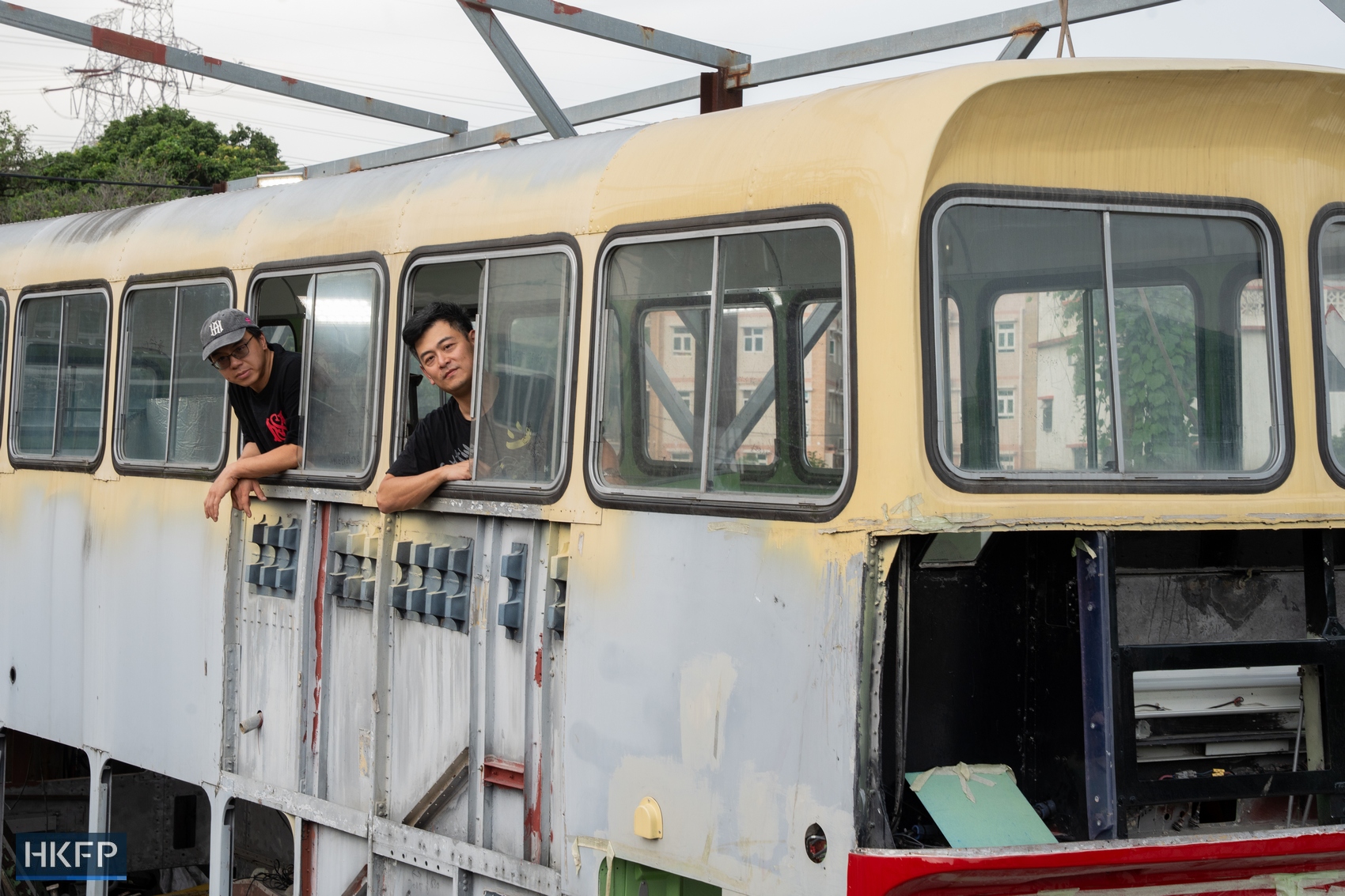
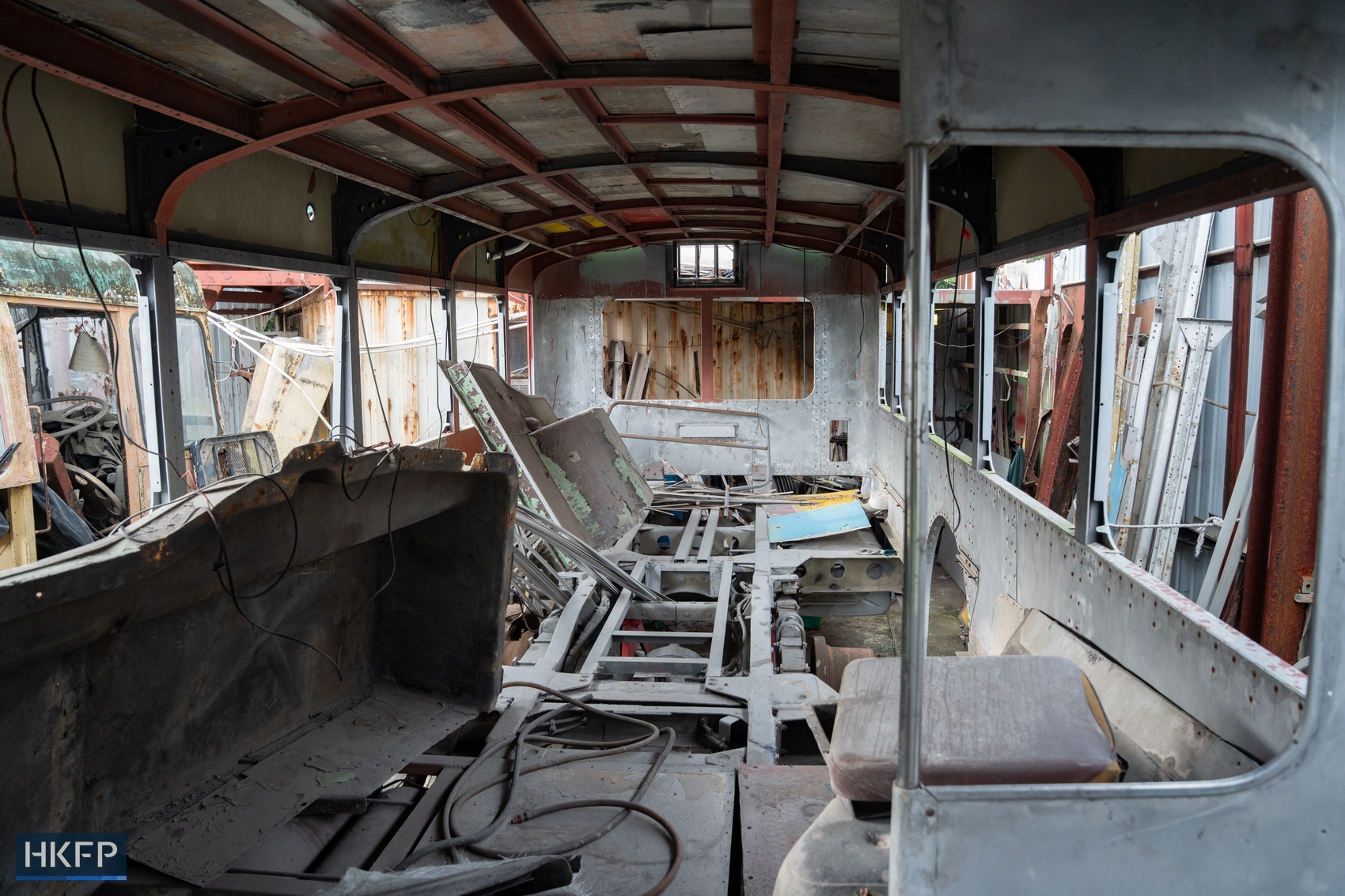
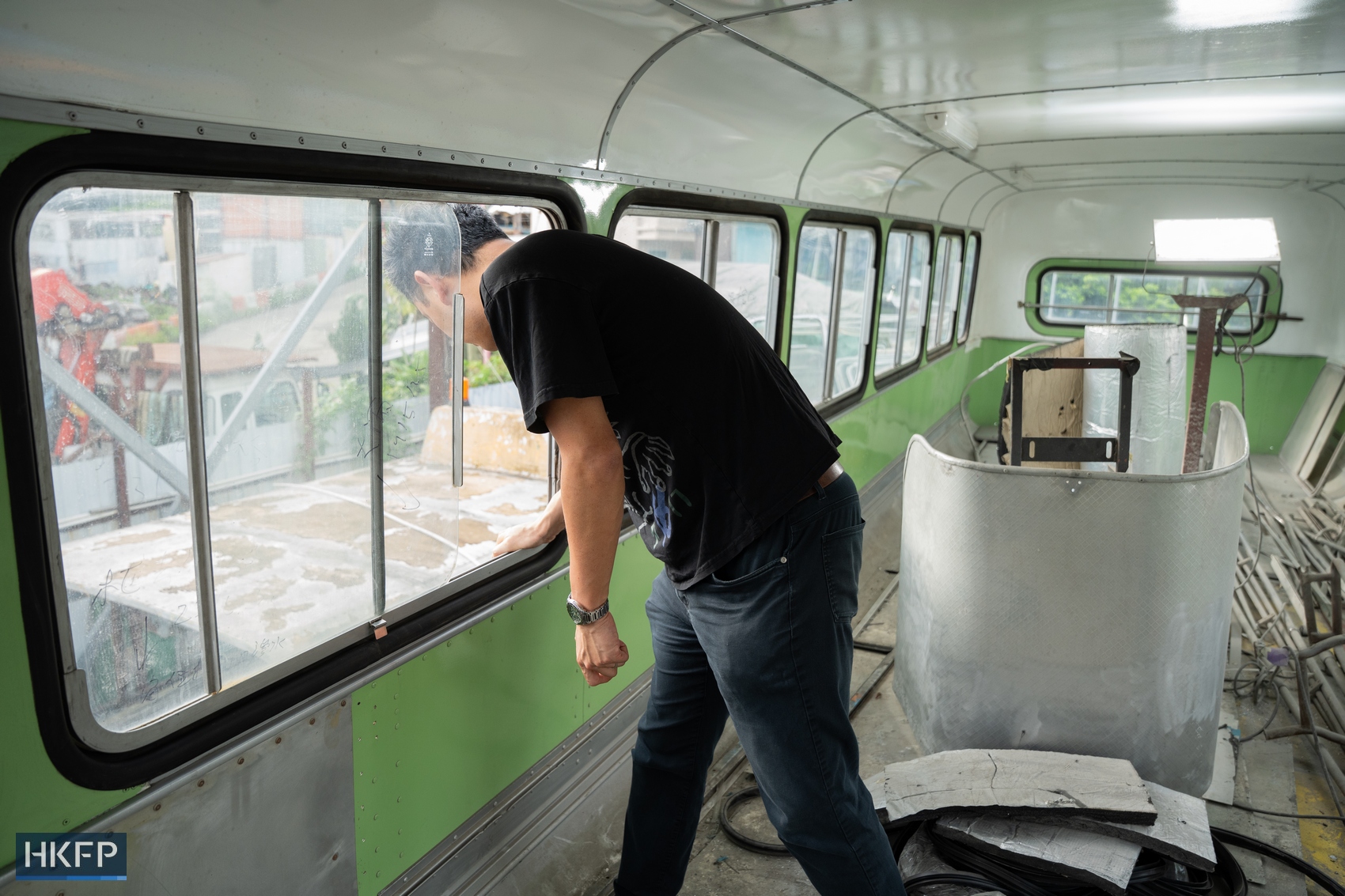
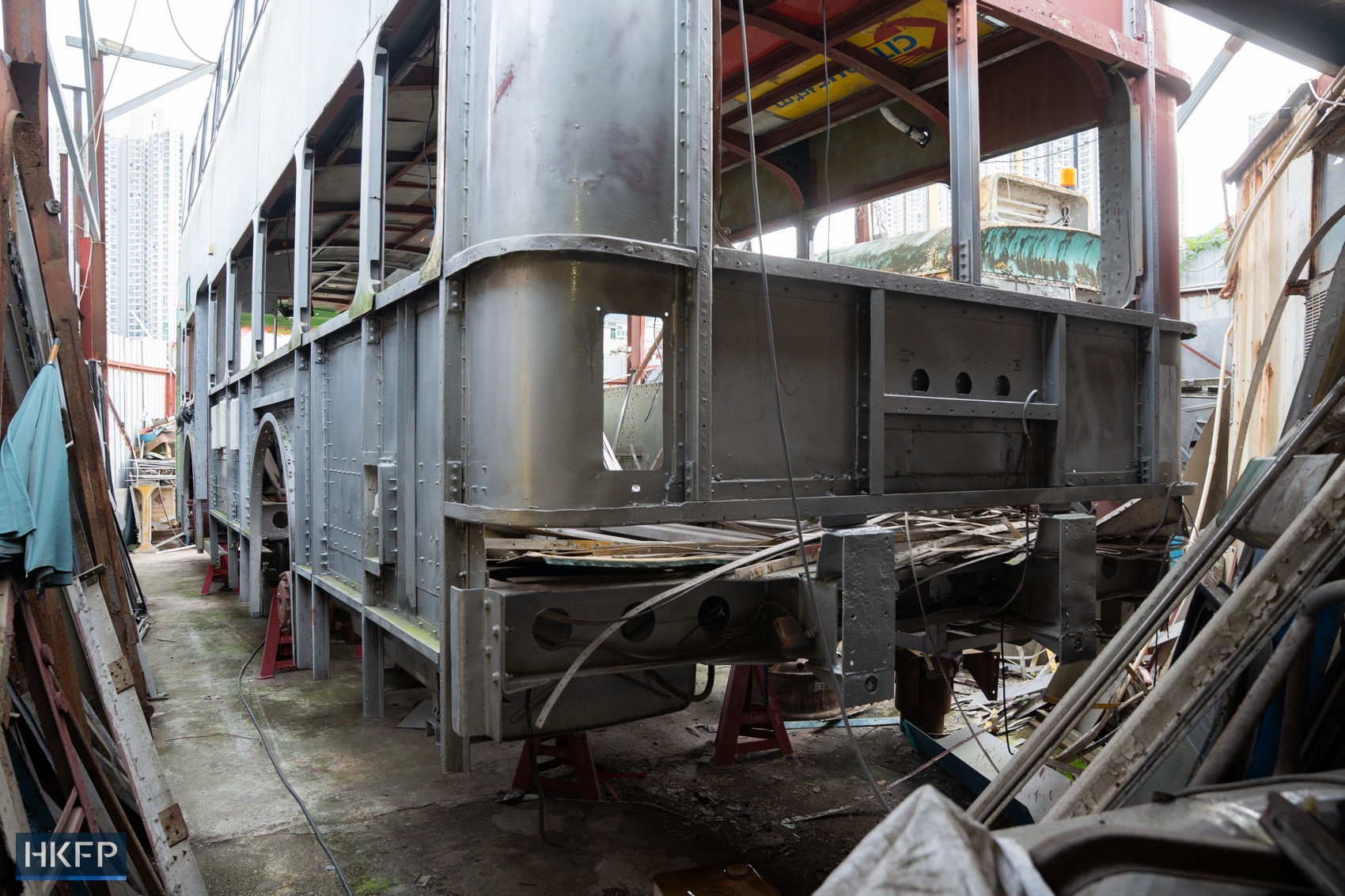
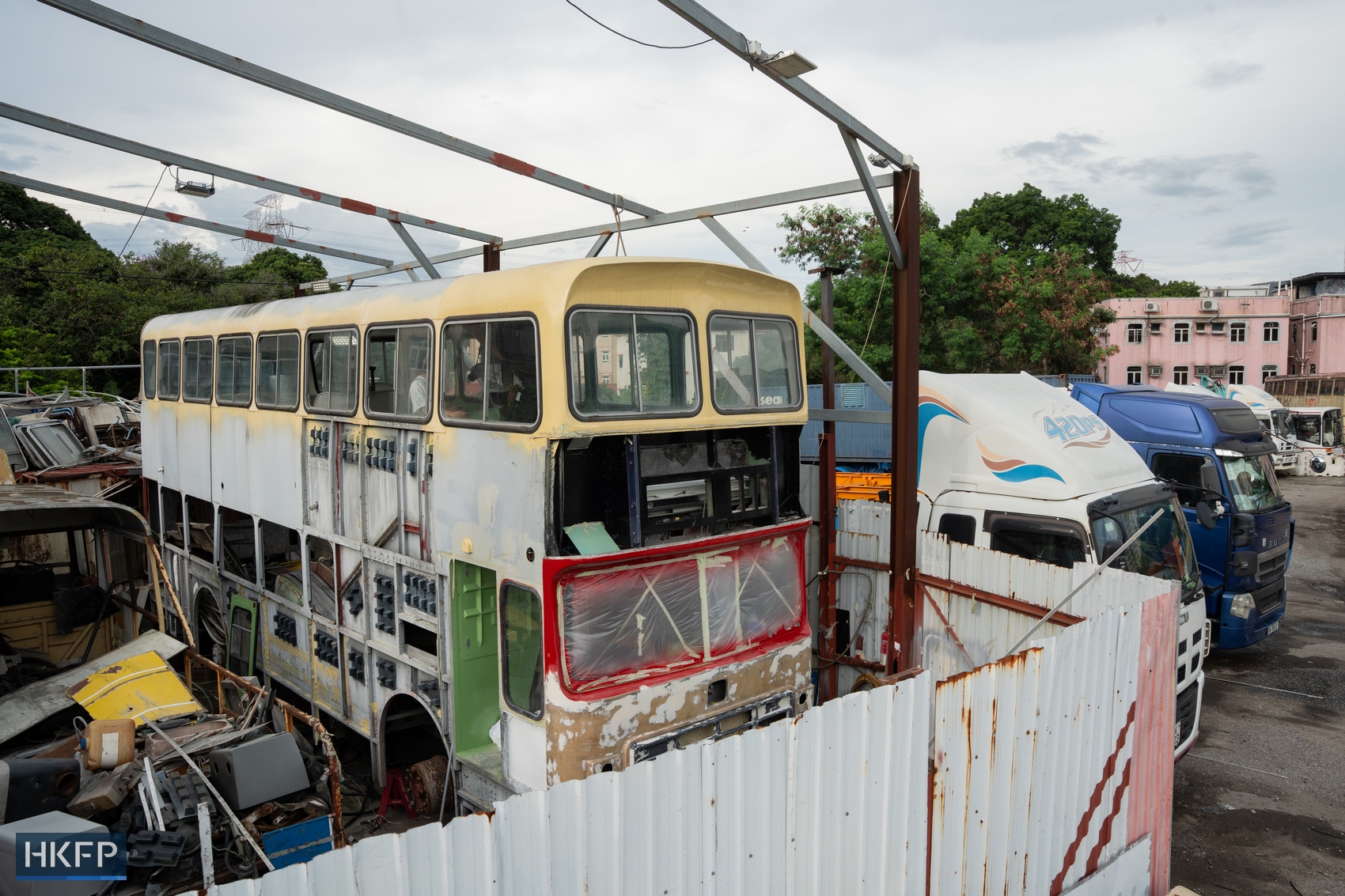
From the outside, the bus still appeared to be in good condition. Years of being flipped on its side to simulate serious traffic accidents had only slightly bent its roof, and the engine was still functional. Inside, however, the vehicle was in total disrepair.
Over the past 11 years, the two bus enthusiasts, who asked to be only identified by their given names, have spent more than HK$1.3 million to restore the bus to its original late-1970s manufacturing specification.
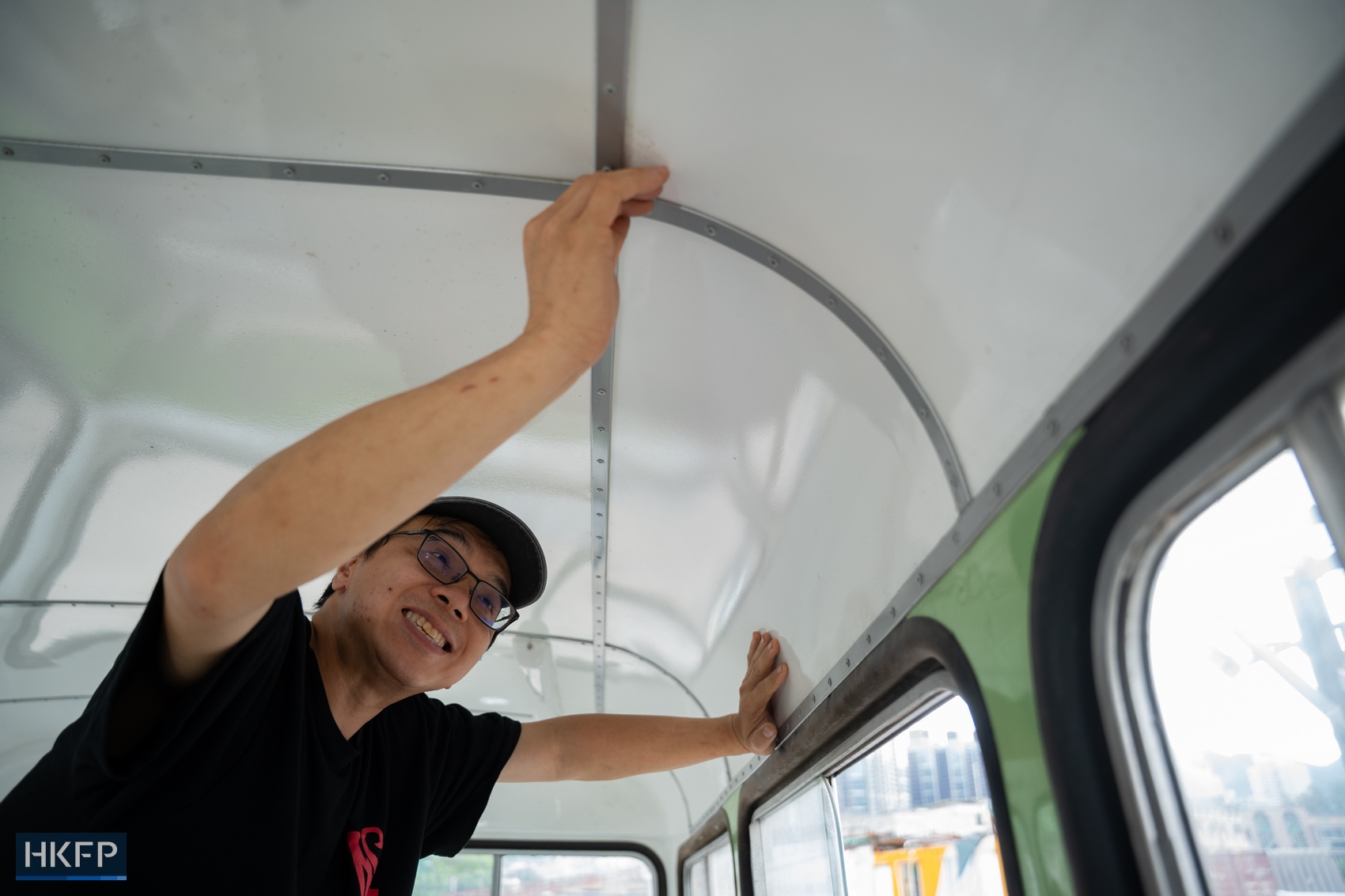
Chung, a bus repair specialist, also single-handedly replaced the entire roof and interior.
It was not just passion and “young recklessness” that supported the project, they told HKFP last month, but also the fact that the bus itself occupies a special place in Hong Kong’s history.
“There were a total of 716 buses of this model made. All of them were delivered to Hong Kong,” Chung, 42, said in Cantonese. “You cannot find a Victory Mark II anywhere else in the world.”
“This model is really representative of Hong Kong people,” added Terrence, 44.
Victory Mark II
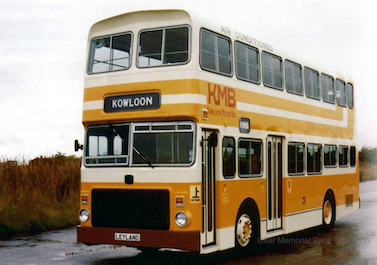
The Victory Mark II was a front-engined double-decker bus produced by British automaker Leyland Motors between 1978 and 1981. The model was developed exclusively for Hong Kong’s hilly terrain.
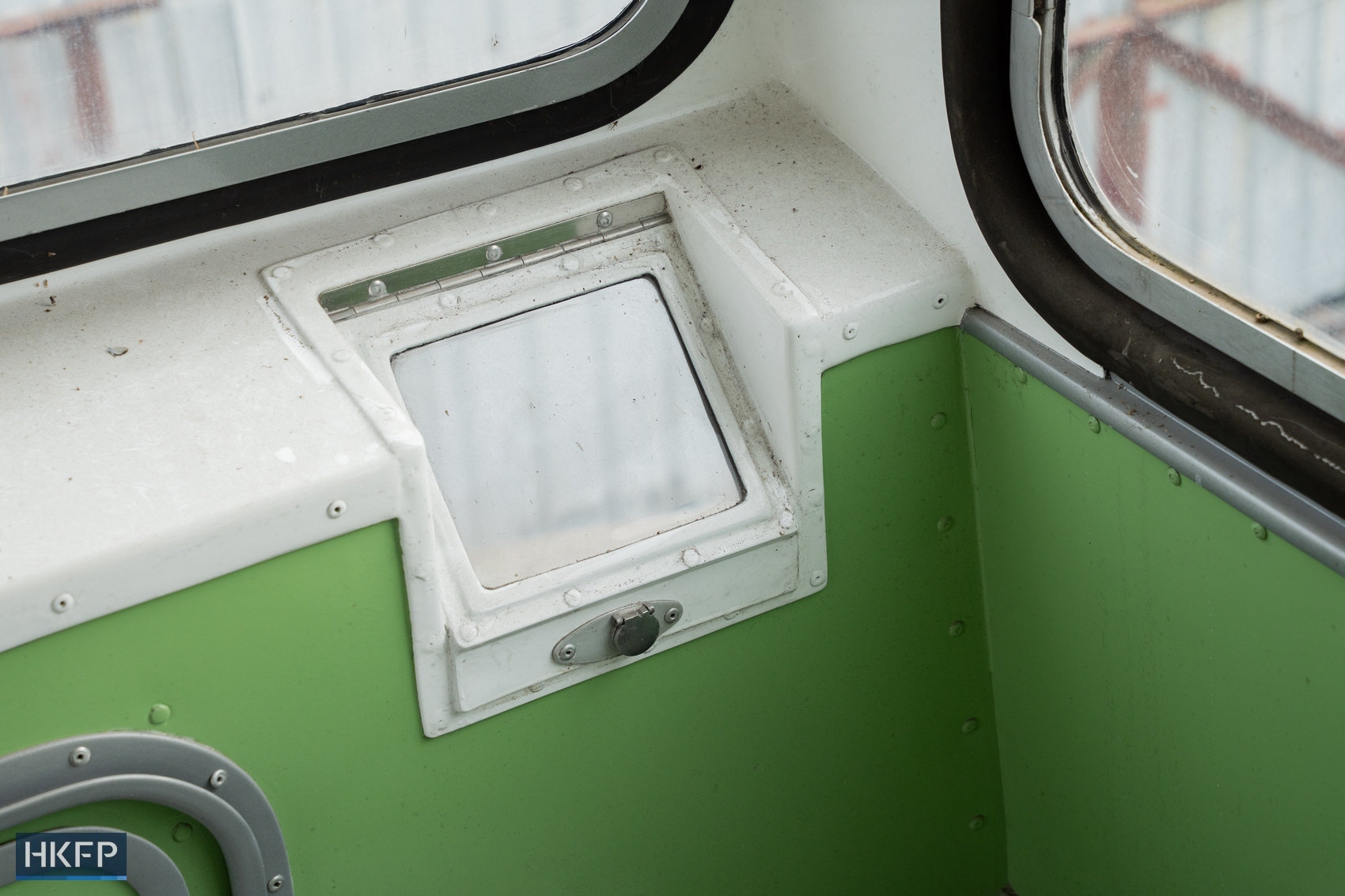
From the late 1970s to the mid-1990s, the model commonly ran on Hong Kong’s streets. It retired from service in 2000.
The bus that Chung and Terrence own, registered as CL 2908, was decommissioned from the Kowloon Motor Bus (KMB) fleet in 1998 and bought by the Tai Lam Tunnel operator as a training vehicle.
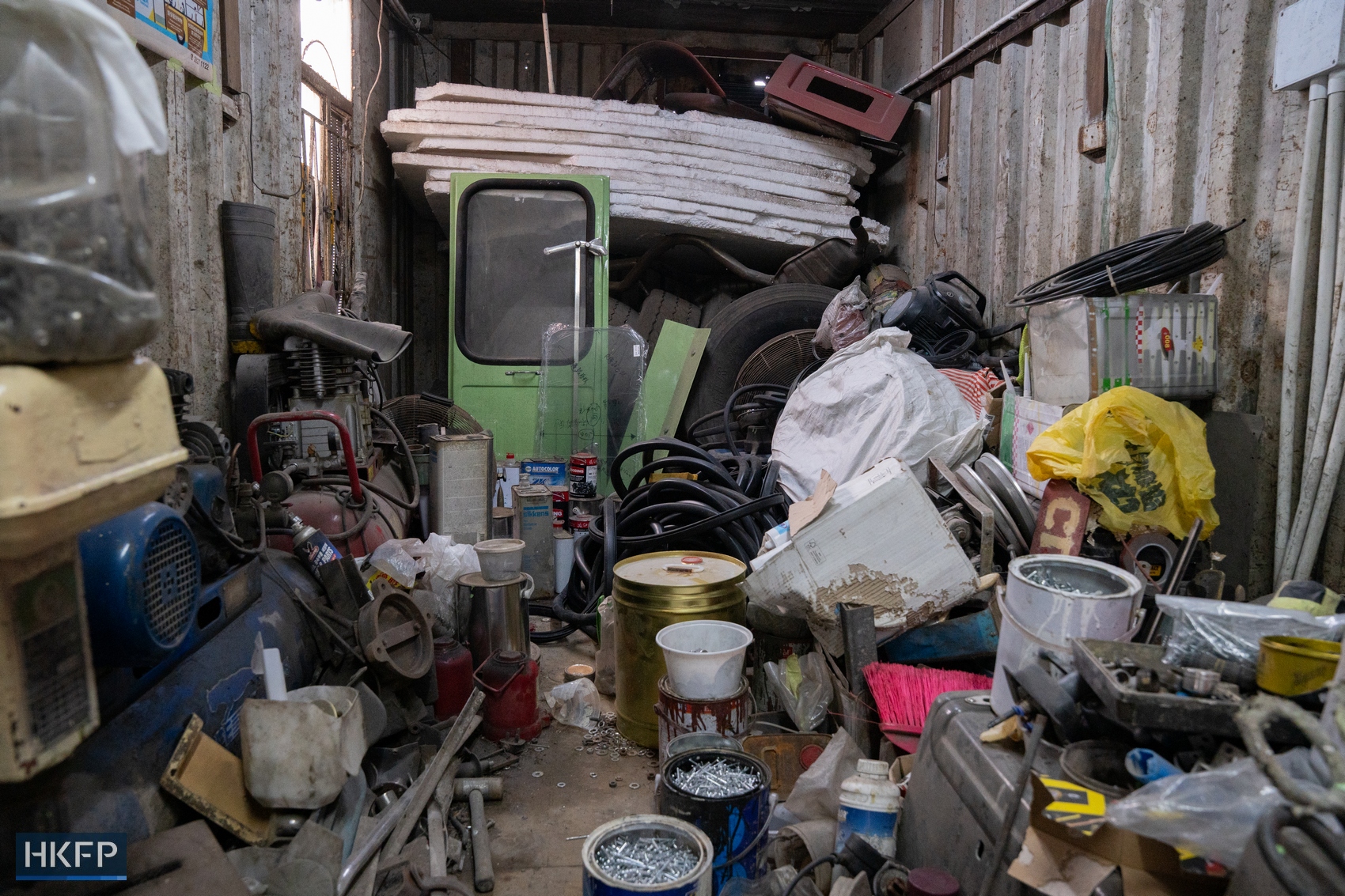
Its main duty at the tunnel was to simulate a bus rollover accident twice a year for responders to practise, Chung said.
A video clip from 2009 shows the bus – then painted in the classic KMB yellow and red livery – parked outside the Tai Lam Tunnel with large lettering on its side reading “Training.”
In 2015, the Tai Lam Tunnel operator was seeking to find a replacement for the training vehicle. Chung and Terrence heard the news from friends and decided to take over the bus.
At that time, the CL 2908 bus was one of the very few Victory Mark II models – if not the only one – still in their complete form that could allow for restoration, the pair said.
Having already owned other types of vintage double-deckers, the two friends found the opportunity too appealing and decided to bring the vehicle back to its original glory. They did not anticipate the journey would take more than a decade.
‘Merely caretaker’
After securely parking the bus in their facility in the New Territories’ northwest, they spent two years working out a restoration plan.
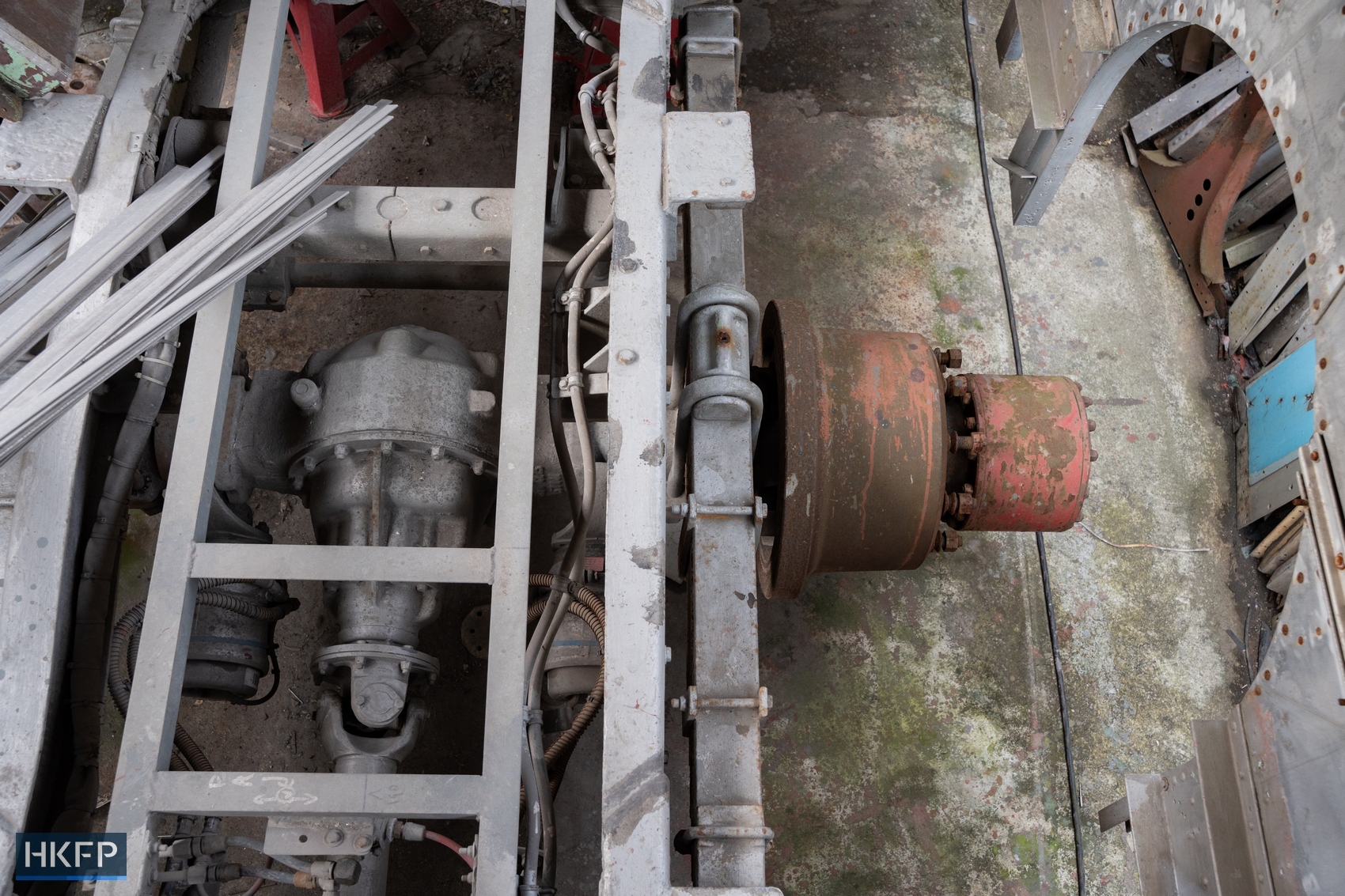
Chung, who worked in KMB’s repair department in the early 2000s, said the biggest challenge was that the bus had not been properly repaired in the 17 years it served as a training vehicle.
He had to rebuild the fibreglass frames for much of the interior of the bus, including the stairs and the header panel.
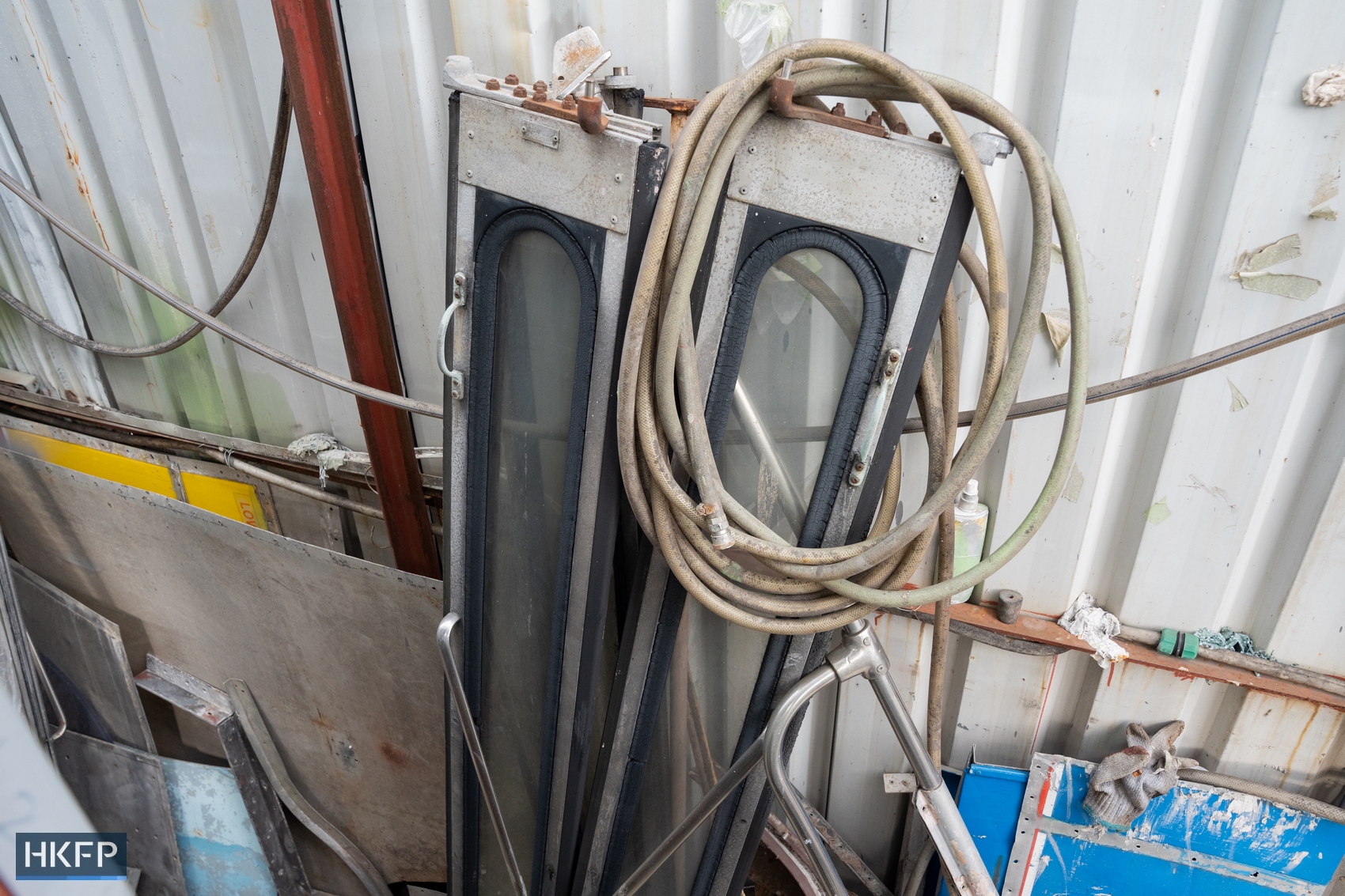
He said his skills had been sharpened during his KMB years, when his superior taught him not to replace broken components with new ones but always to attempt a repair first.
Still, the restoration process has been time-consuming – even more so given what Chung acknowledged as his obsession with details.
“If the details are wrong, the whole thing is wrong,” he said.
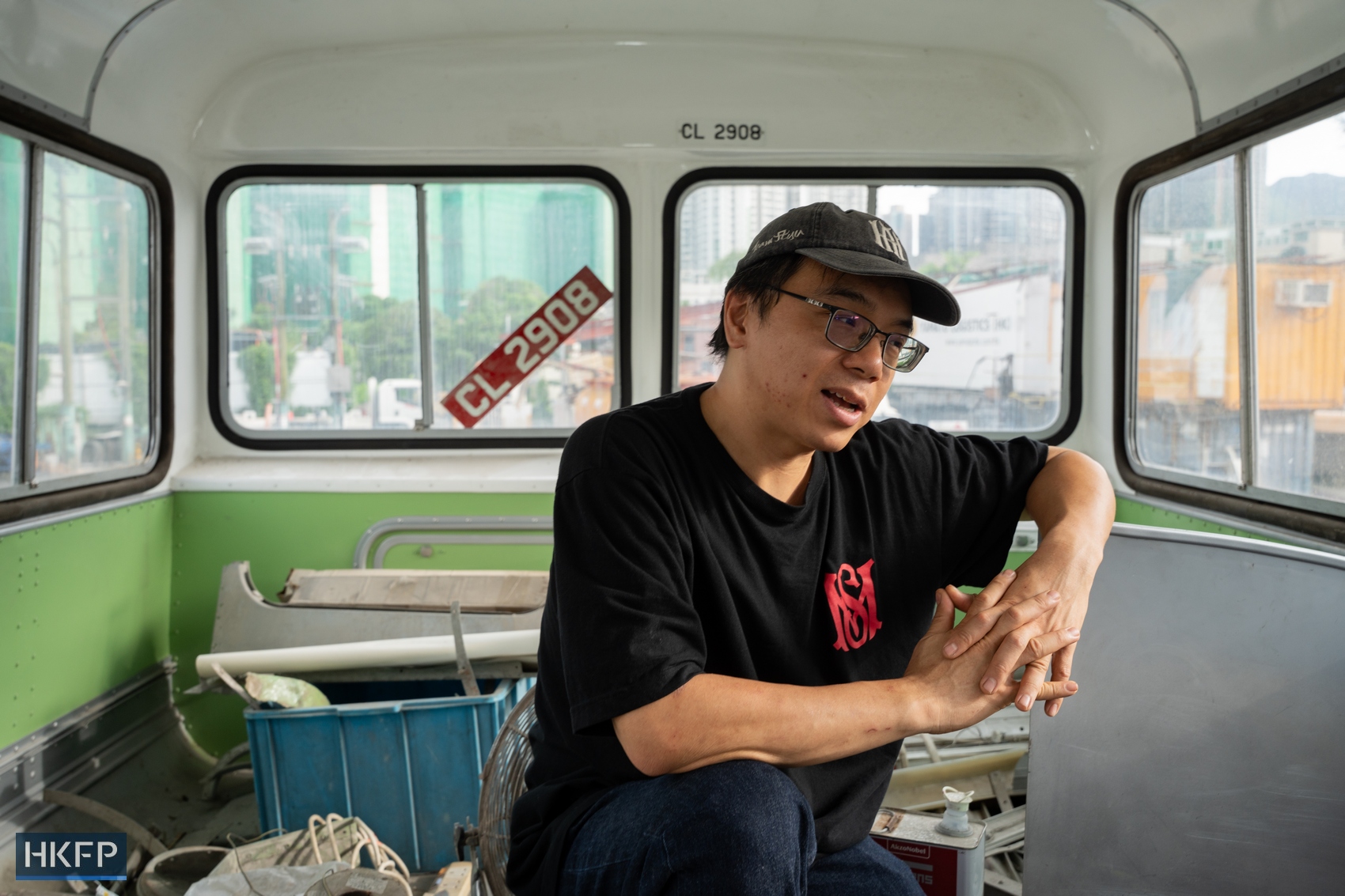
The two enthusiasts have documented the restoration journey on their Facebook page “The Icon of Hong Kong” – a tribute to the Victory Mark II bus.
During the course of the restoration, Chung has also upgraded some of the inside components to extend the bus’ longevity.
“I’ve heard of this theory from a British car lover, and I think he is right. Regardless of whether it is a bus, a private vehicle, a sports car, or even a tank, we should not see ourselves as the owner of the car,” he said.
“We should preserve this car so that it lives longer than us, and we are merely the caretakers of this vehicle in this period.
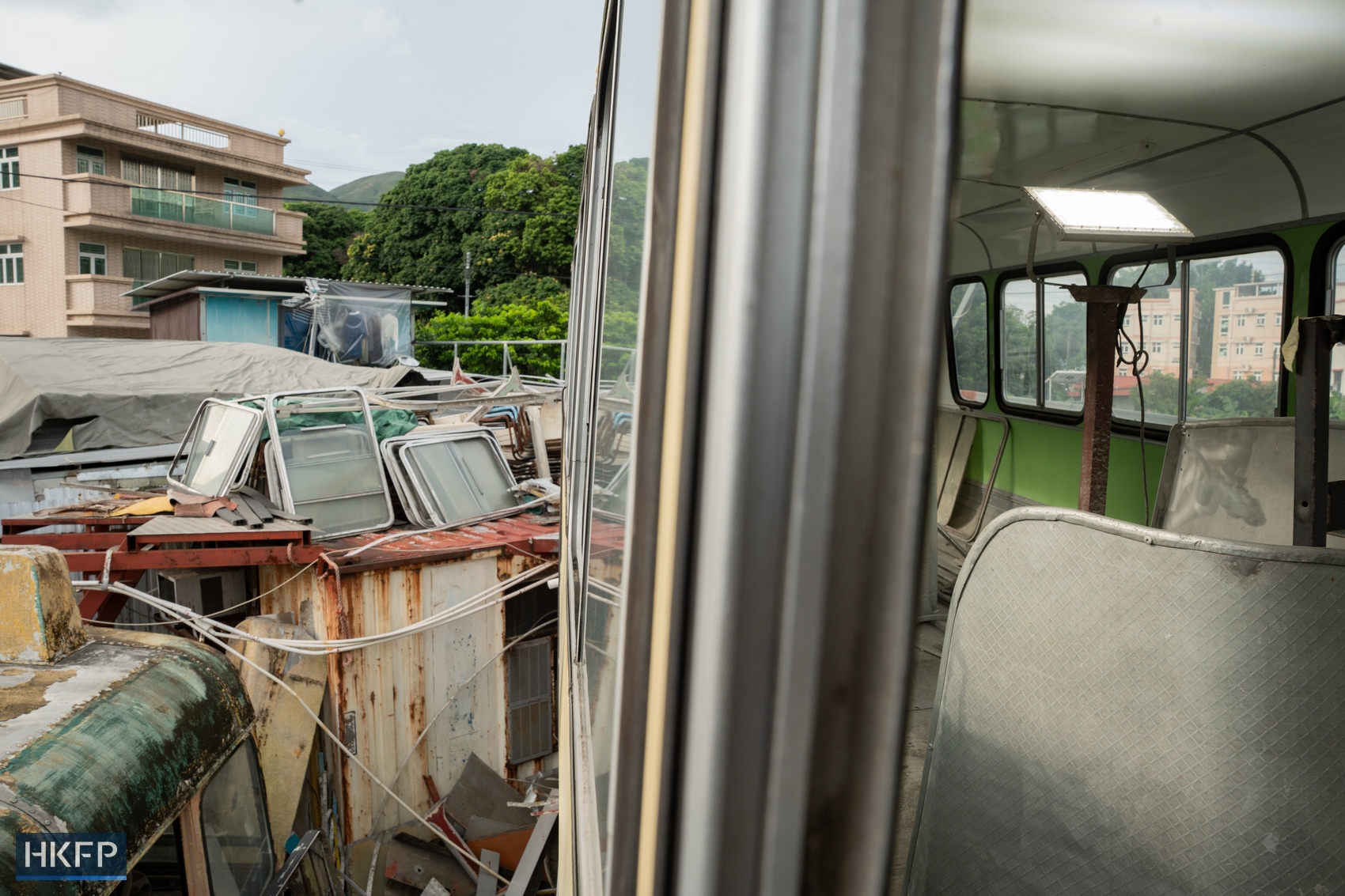
“I want to be able to pass this vehicle to the next generation, and this is my principle in this project.”
‘To tell history’
While the Victory Mark II was representative of Hong Kong’s public transport before the 1997 handover, the pair said the future of their bus would likely be in the UK instead of in the city.
They lamented the lack of institutional support for vintage bus restoration in Hong Kong and contrasted that with the UK and Australia, where several Victory Mark II buses were among the prized collections of bus museums.
In the UK, vintage buses could also be driven on the road after proper restoration and have supported tourism, the pair said.
In Hong Kong, however, their bus could not properly get on the road because the previous owner had already deregistered the vehicle’s licence, they said.
“A bus model is capable of reaching a million people. Don’t you think that it is a very good medium to tell the history of a place?” Chung said.
Vintage buses “could in fact support a large industry,” Terrence said. “Regrettably, Hong Kong does not have the support for it to flourish.”
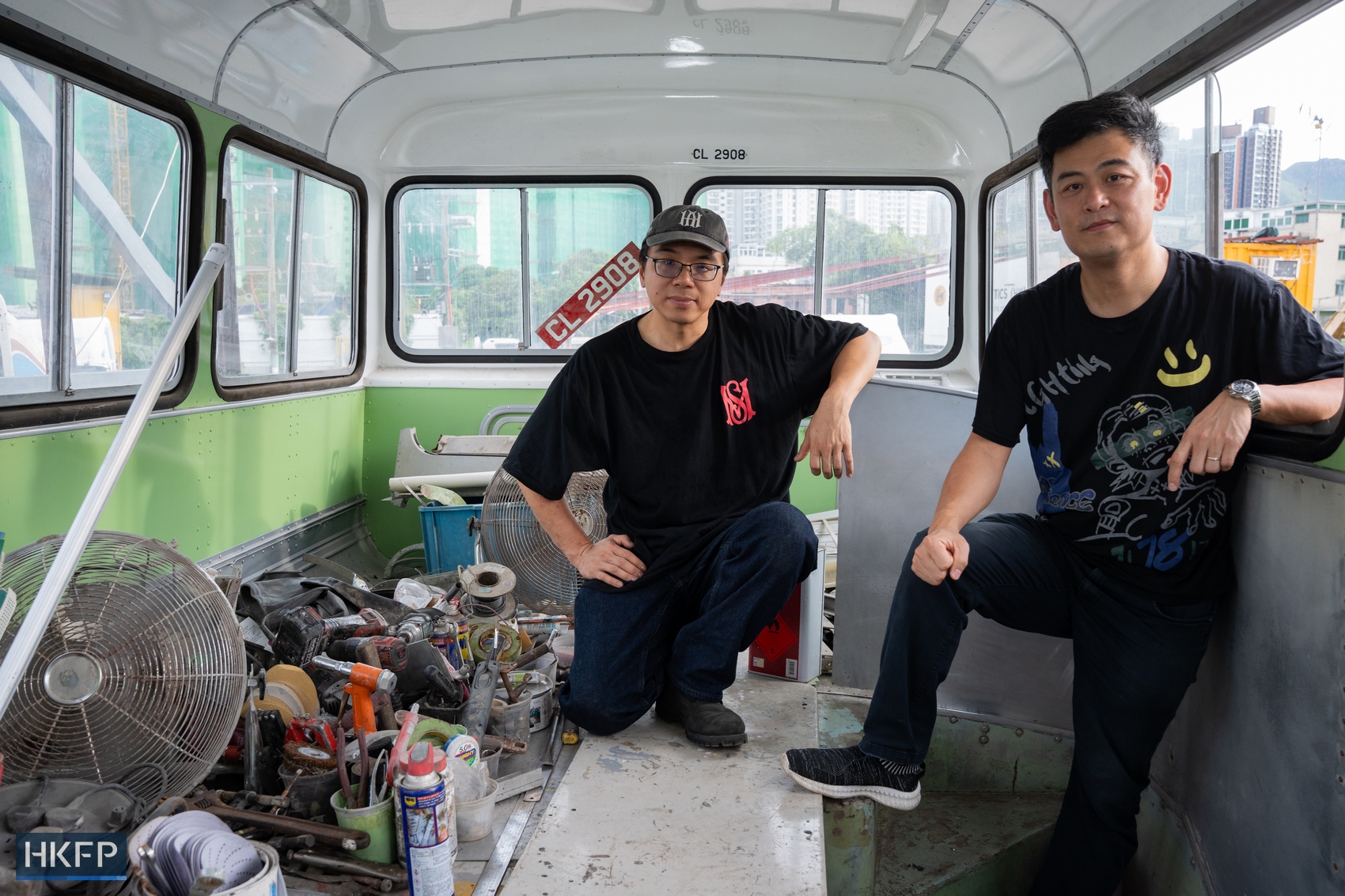
Chung looks forward to taking the fully restored bus to Wolverhampton in the UK, where Leyland drew up the design plans for the Victory Mark II.
The red-brick building that used to be Leyland’s drawing office still stands, he said, showing the facility on Google Maps on his phone.
“This is where it was born,” he said.