China summons Philippine ambassador over clash in disputed waters
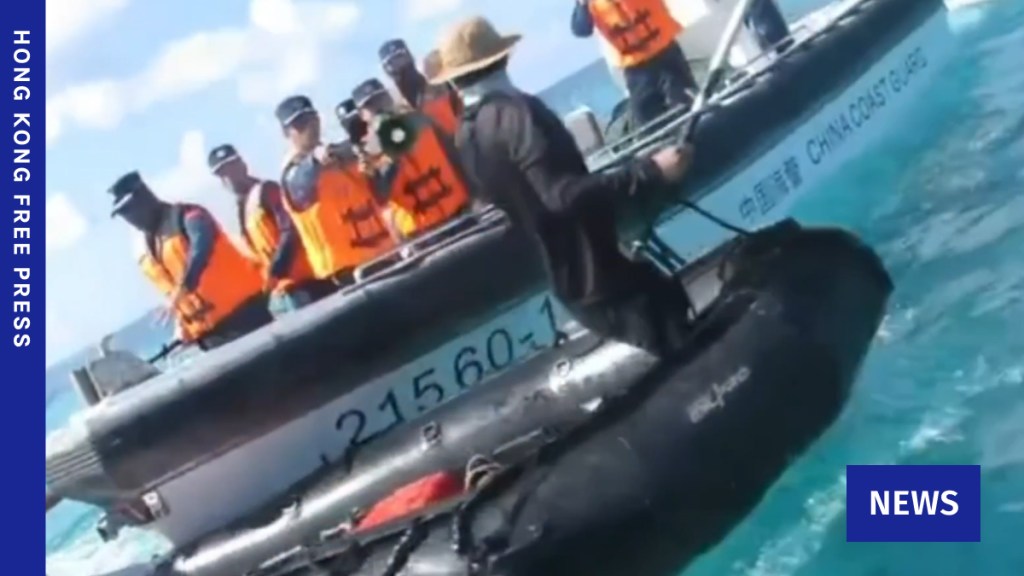
China summoned the Philippine ambassador on Tuesday following a clash at a disputed shoal in the South China Sea, which sparked condemnation of Beijing by Manila’s allies.
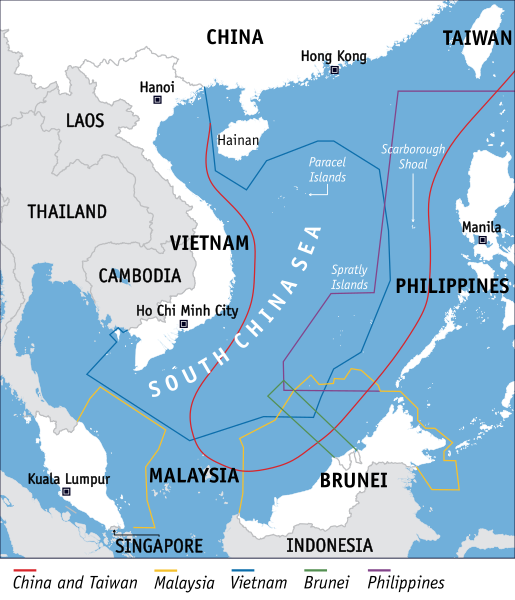
Beijing claims sovereignty over almost the entire South China Sea, a vital global trade route, despite an international ruling that found its claims have no legal basis.
Multiple nations in the region, including the Philippines, have territorial claims that overlap with China’s, and altercations regularly occur in the heavily patrolled waterway.
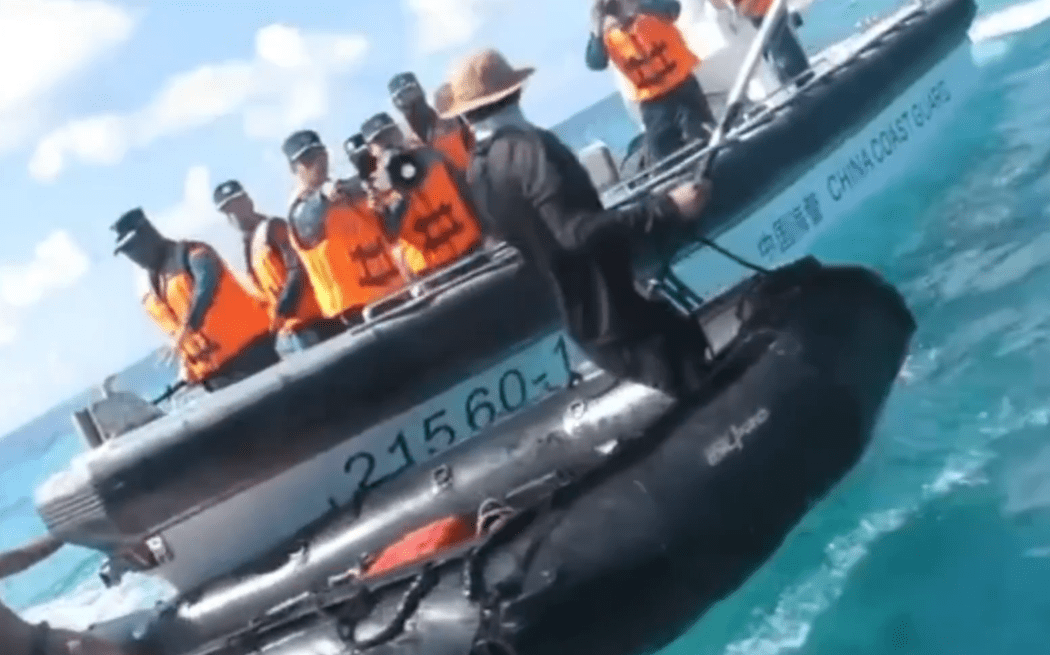
The Philippine military accused the China Coast Guard of clubbing a Filipino sailor with a baton on Monday as they approached a grounded vessel that has long served as a Philippine garrison.
China’s foreign ministry said Tuesday it had “urgently summoned” the Philippine ambassador “to lodge solemn representations over the Philippines’ deliberate provocation and attack… at Ren’ai Reef”, referring to a flashpoint also known as the Second Thomas Shoal.
“The Philippine side provoked first, yet it has turned the blame upside down, distorted the facts, and maliciously hyped the issue,” the foreign ministry said in a statement.

Key Philippine allies condemned the clash, with Australian foreign minister Penny Wong slamming “destabilising and dangerous conduct” by China.
Wong’s comment came after Washington condemned Beijing’s “dangerous and aggressive actions”.
US Secretary of State Marco Rubio landed in Manila on Tuesday for a summit of the 11-member Association of Southeast Asian Nations (ASEAN).
Rubio has said he is open to a meeting with his Chinese counterpart Wang Yi, who will also attend the ASEAN summit, though talks have not been publicly confirmed.
The two met last year on the sidelines of an ASEAN gathering in Kuala Lumpur and again in Munich in February.
In an op-ed published in Philippine media outlets on Tuesday, Rubio heralded Washington’s commitment “to freedom of navigation in Southeast Asia” while reaffirming the US defensive umbrella in the region.
“This freedom is by no means guaranteed. If these waters were to fall under the control of a power willing to use trade as a geopolitical weapon, both the United States and the ASEAN states would face serious new threats to their sovereignty, security, and economic future,” he wrote, in an apparent allusion to China.