California’s ‘record-shattering’ marine heat wave means threat of coastal flooding will stick around
Topline:
El Niño is making the California coast much warmer than usual, and scientists are concerned about coastal flooding.
Unseasonably warm waters: The ocean temperatures along a stretch of coast from Sonoma County down to Ensenada, Mexico, are 10 degrees warmer than average. In a webinar Thursday, University of California climate scientist Daniel Swain stressed how unusual the current heat wave is, describing it as “mind-boggling” and “record-shattering.” “I’m using all the superlatives in the book because I think they’re appropriate,” Swain said.
Exceeding records: The water temperatures in nearly every location are higher than any measured during the cold season in recorded history. “Not only is the water warmer than it’s ever been at this time of year, but in fact it is warmer than it has ever been at any point after Nov. 1 and before May in any previous year,” Swain said.
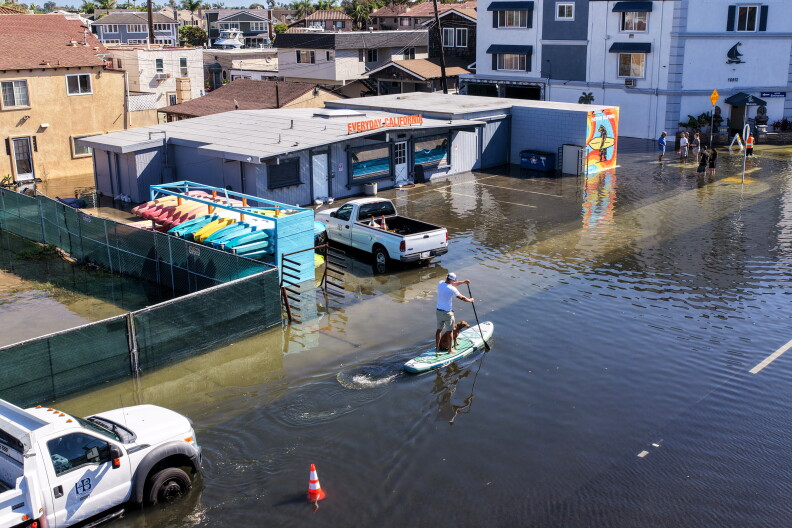
The stakes for coastal flooding: Warmer oceans mean that the water expands, leading to high tides like the ones Long Beach and Orange County have experienced in recent months. Scientists are especially watching for king tides during Thanksgiving week. (King tides are also expected around Christmas and in late January.) And any significant rainstorms — which El Niño could bring — would also make flooding worse.
Why the heat wave is expected to stick around: “ Marine heat waves take a lot longer to develop, and they’re a lot more persistent,” Swain said. That’s because water takes longer to heat up or cool down than air, and because wind can generally move air faster than ocean currents.
Check this story
Ask the AI guide
The guide explains what to check and where. It cannot see this article or recent news.
Is this AI-made?
AI checkers give a likelihood, not proof.