Show Your Stripes Day 2026: Hong Kong temperature rises highlighted in climate warming stripes
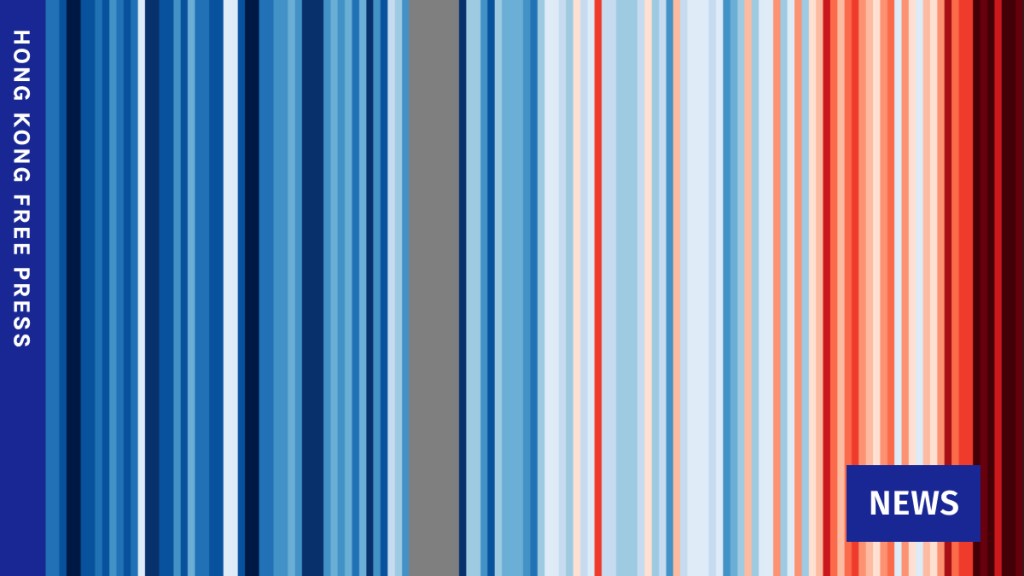
Rising temperatures in Hong Kong have been visualised in the latest set of “warming stripes” designed by British climate scientist Ed Hawkins as part of “#ShowYourStripes” day. The annual, worldwide campaign aims to spark discussion about the climate crisis.
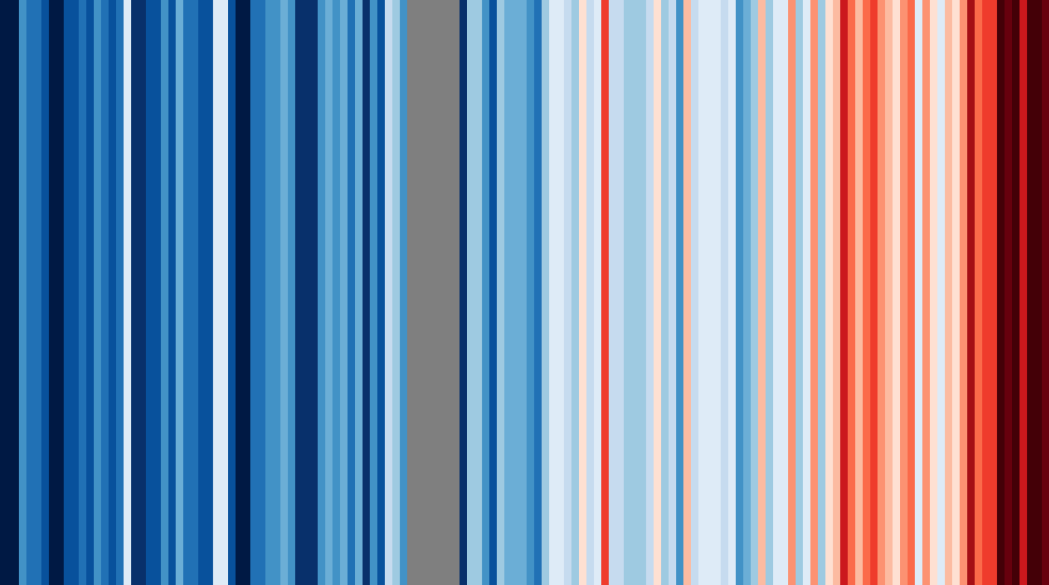
Saturday marked the ninth edition. The June 20 event encourages people around the world to share graphics representing temperature changes in different countries and regions over the past century and more.
Launched in 2018 by Hawkins, a University of Reading professor, the graphics for most countries and regions feature stripes that have shifted from predominantly blue to red in recent years, indicating rising temperatures.
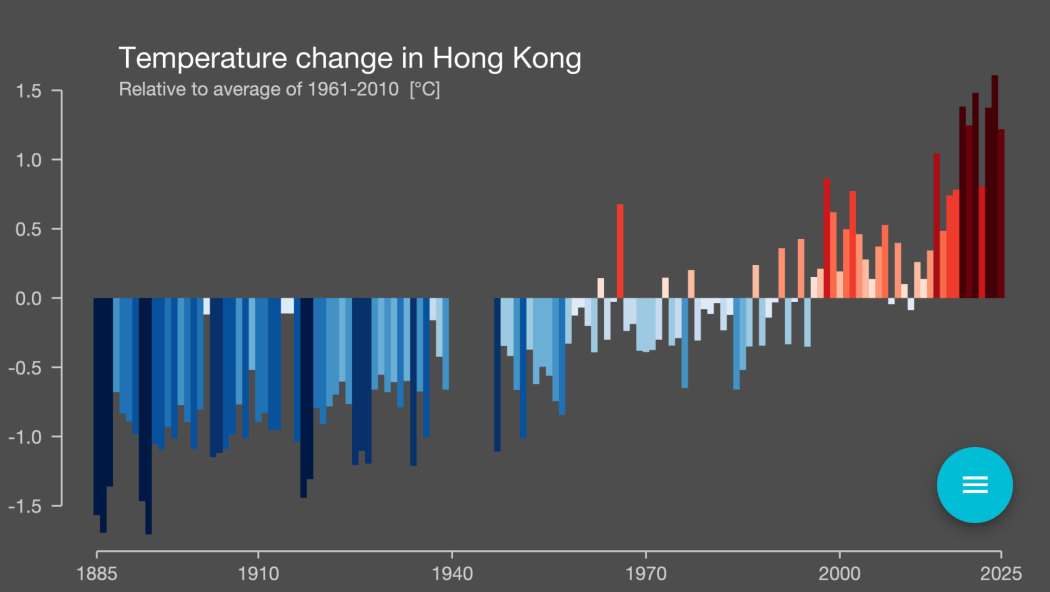
The graphic for Hong Kong charts the city’s average temperature since 1885, based on data from the Hong Kong Observatory (HKO). The most recent stripe, shown in dark burgundy, represents the highest temperature rise relative to the average recorded between 1961 and 2010.
In a promotional video shared last year, Hawkins said the warming stripes aimed to transform “abstract meteorological data” into “something people can’t ignore.”
He said he wanted the graphics – which have been featured on football jerseys, projected onto the Tower of London, and displayed at UN conferences – to prompt people to “ask questions.”
“You don’t need to be a scientist to understand the message and feel concern. The Earth is heating up, and the pace is accelerating,” Hawkins said.
See also: How extreme heat became the deadliest silent killer among world weather disasters

Earlier this month, environmental NGO Friends of the Earth urged the Hong Kong government to prioritise the climate crisis and strengthen its climate adaptation policies, with the city expected to endure an extremely hot summer.
he Intergovernmental Panel on Climate Change has warned that the intensity and frequency of heatwaves have continued to increase since the 1950s due to human-caused climate change. The prevalence of greenhouse gases like carbon dioxide – which trap heat in the atmosphere – raises the planet’s surface temperature, with hotter, longer heatwaves putting lives at risk.
See also: How extreme heat became the deadliest silent killer among world weather disasters
Hong Kong has already warmed by 1.7 degrees Celsius since the Industrial Revolution, research NGO Berkeley Earth says. Heat and humidity may reach lethal levels for protracted periods by the end of the century, according to a 2023 study, making it impossible to stay outdoors in some parts of the world.
Check this story
Is this AI-made?
AI checkers give a likelihood, not proof.