‘Worst nightmare’: first native bird flu case confirmed
A deadly bird flu strain has been confirmed in a native seabird for the first time, sparking fears of a wildlife emergency.
Testing detected the H5N1 strain in a greater crested tern discovered in South Australia.
It marked the nation’s first known infection in a native bird rather than a migratory species.
Two further birds in SA and another in Western Australia have also been confirmed as carrying H5, bringing the total to 12 detections.
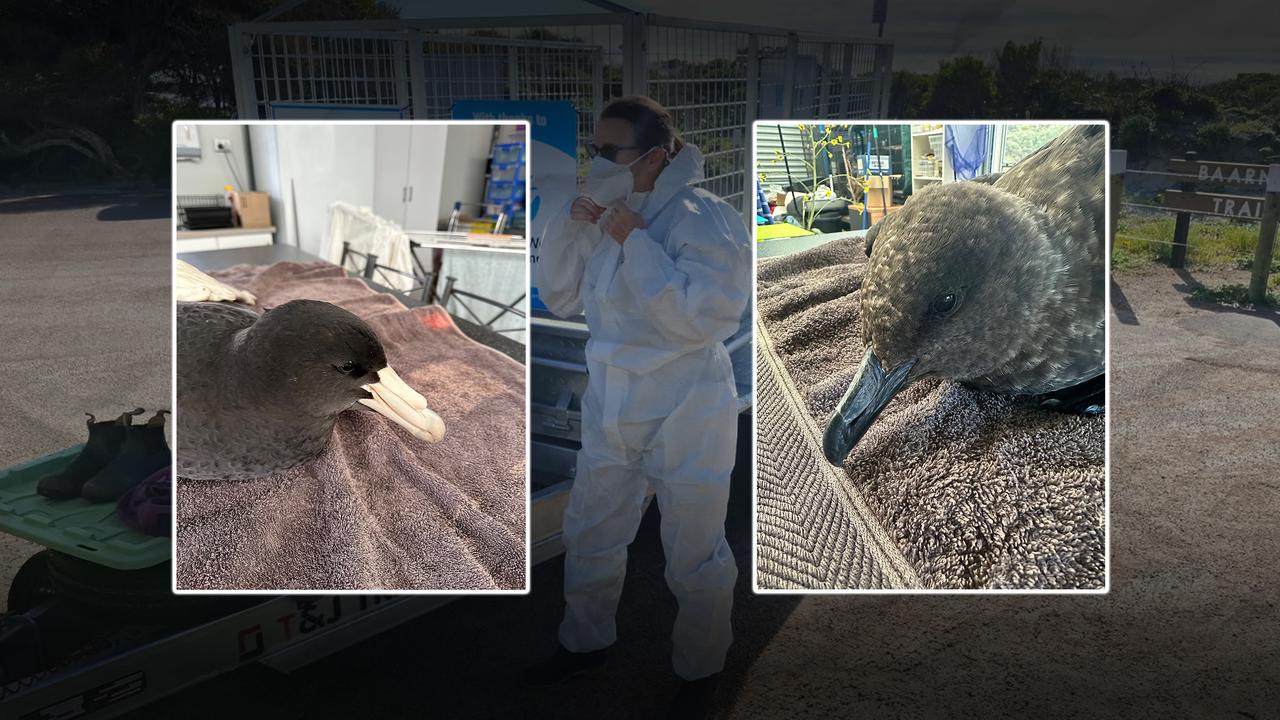
An additional suspected case in WA remains under investigation.
A New Zealand fur seal in NSW is reportedly under observation in what could be the first infection in an Australian mammal species.
Scientists are trying to understand how the tern became infected, Federal Agriculture Minister Julie Collins said on Friday.
“Our scientists are undertaking further work to establish the potential pathway that resulted in this infection,” she said.
“What we do know is that this is a coastal seabird with an overlapping coastal range with migratory seabirds that have previously tested positive for H5.”
Ms Collins stressed there was no evidence of mass mortality among wildlife, no infections in commercial poultry or other agricultural settings and the risk to human health remained low.
“While this is a concerning development, it is not unexpected and is another sign that our strong biosecurity system is working,” she said.
“There is no evidence currently of any infection in our poultry or agriculture system, and there remains a low risk to human health.”

But environmental groups fear the first native bird case is a worrying turning point, warning an entrenched wildlife outbreak could be devastating.
Invasive Species Council policy director Carol Booth said the first infection in a native bird marked a major escalation in the crisis.
“It’s the first sign that the virus has now spread from Southern Ocean birds into mainland wildlife,” Dr Booth told AAP.
“We’re potentially about to face a devastating wildlife emergency, which means that we not only need to keep up the surveillance and that good response we’re seeing, but really boost investment in wildlife resilience.
“It’s really a worst nightmare.”
Conservationists are urging the Albanese government to fund a $200 million wildlife resilience package, arguing surveillance alone will not be enough if H5 becomes established.
“The best thing we can do for wildlife is to reduce other threats now so they have the best chance of surviving and recovering from disease outbreaks,” Dr Booth said.
That includes tightening control on invasive cats and foxes that prey on native animals, eradicating invasive species from islands and restoring wetlands to strengthen habitats for aquatic birds.
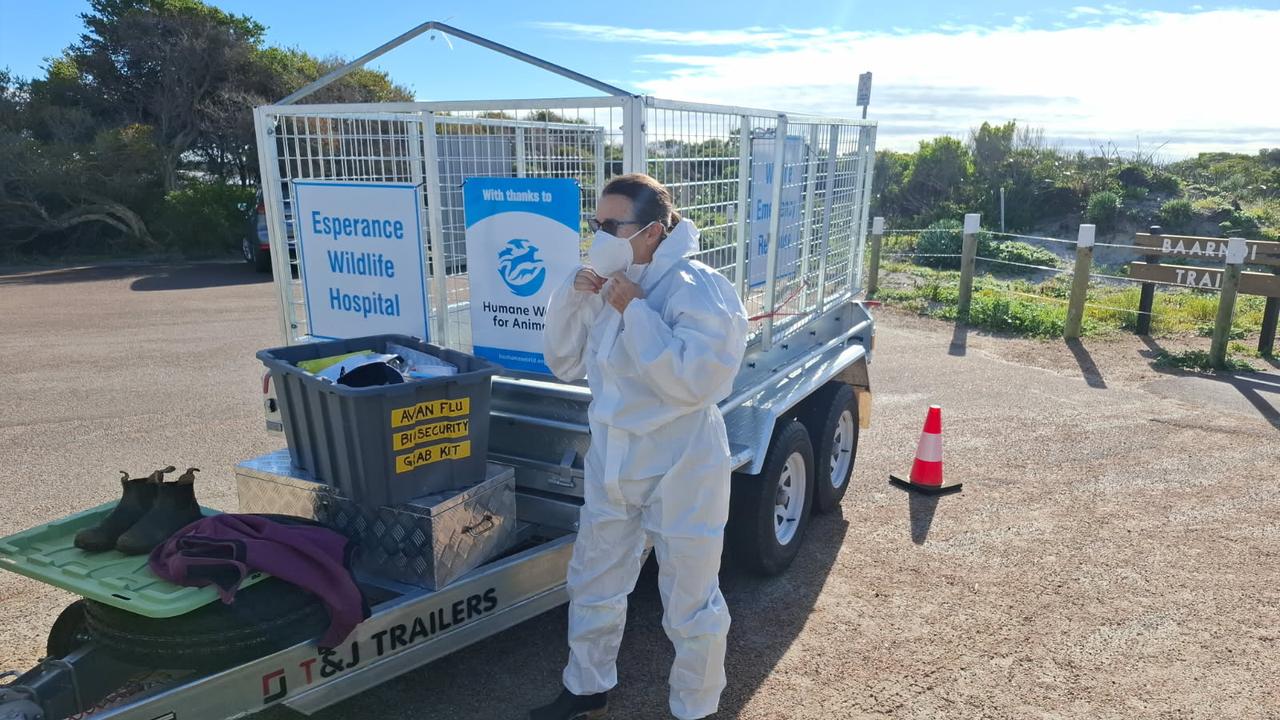
The SA government is leading the response around Robe, on SA’s Limestone Coast, where the tern was discovered, with enhanced surveillance in the area.
Federal experts, including Australia’s chief veterinary officer, have met to guide the national response, authorities said.
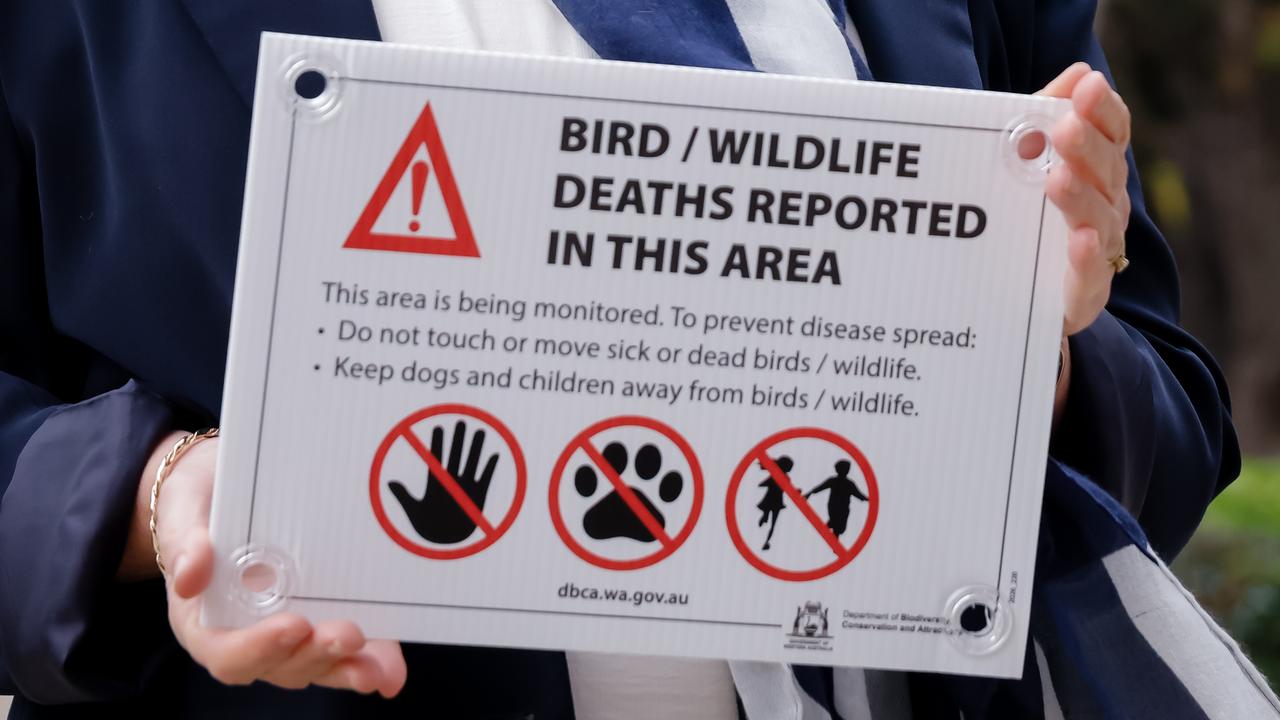
People have been warned not to touch sick or dead birds or wildlife, to keep pets away and to report unusual deaths or behaviour.