Inside Farage’s Montenegro back-office
In this week’s issue
- How a convicted fraudster spun a Balkan web of offshore shell companies, illicit crypto-ATMs, and financial subterfuge to bankroll Reform UK’s elite
- Why Andy Burnham’s flagship ‘Manchesterism’ economic model is already being tested north of the border — and what its reality means for the rest of Britain
- How the rise of Peru’s new president-elect is triggering fears of a swift return to a dark era of state-sponsored impunity and institutional capture
- Why a surging student movement is forcing UK universities to confront their hidden multi-million-pound investments in the ruthless global border industry
- Why the UK government’s plan to halve violence against women will fail unless it confronts a terrifying new frontier
- Why the vast majority of people at risk of terminal genetic diseases choose to stay in the dark, and the uncomfortable ethical dilemmas of pushing women into STEM
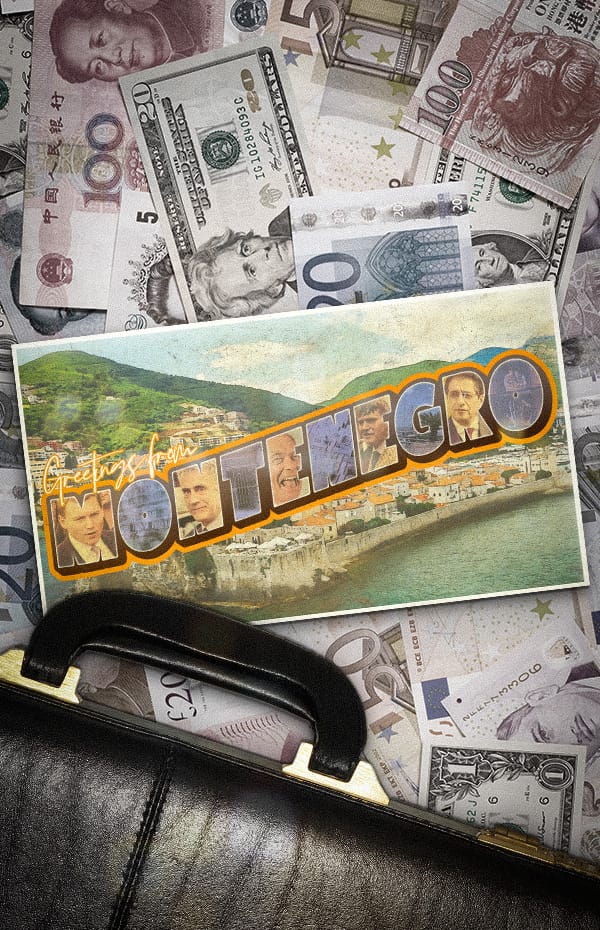
Why are Reform’s most controversial funders and backers all registered in the same grubby office in a town of 11,000 people in Montenegro? An office, that by happy coincidence, is registered to the one-time defence lawyer of “Posh George Cottrell”, convicted fraudster, Nigel Farage’s close confidant, and son of one of Reform’s biggest donors (whose donation is now being investigated by the Metropolitan police).
For this week’s cover story, we sent openDemocracy’s Sian Norris to Tivat to find out. She’s returned with a rollicking account of how “Reform’s most enthusiastic backers, particularly Cottrell, are spinning themselves a safe haven of shell companies, business interests, crypto, casinos, and property.”
With all eyes on Reform UK and the farcical by-election in Nigel Farage’s Clacton constituency, let’s not forget that a new Labour prime minister will be entering Downing Street in two weeks. Scotland has already tried Andy Burnham’s “Manchesterism” and it isn’t enough, argues Laurie Macfarlane, in a column that should give readers much to discuss. Another one for Burnham’s to-do list: Emma Pickering from Refuge, the UK’s largest domestic abuse charity, argues that the government must do more to end tech-facilitated domestic abuse.
Also in this issue: What the return of Fujimorismo means for Peru and Latin America, and how the UK’s universities are bankrolling the border industry and facilitating the abuse of migrants.
This month we are launching a campaign to win 500 more regular donors by the end of the year. We deeply appreciate one-off donations (please do keep them coming), but regular donors make it easier for us to plan our expenses, balance our budget, and invest in long-term investigations like Sian’s muck-raking trip to Montenegro. If you aren’t yet a regular donor, do consider becoming one.
I’m off to India to see my mum next week, so my colleague Indra will be taking over the next couple of issues. Thank you for reading and supporting our journalism.
Aman Sethi, Editor-in-Chief
The next election is only three years away, and we are determined to keep exposing Reform and prevent the rise of the far right. To do that, we want to recruit 500 paid subscribers by the end of 2026.
Will you be part of the movement to fight the far right, with a monthly donation today?
Listen on Spotify
Listen on Pocket Casts In an era where scientific expertise is heavily scrutinized and algorithms trap us in ideological bubbles, how do we create the conditions for people to truly open their minds? In this episode of Changed My Mind, we’re joined
Weekly Poll
Is Nigel Farage finally finished as a political force?
Reader Comments
It doesn’t matter which way you cut the cake, the two party politics is still here and alive. Farage has now lost two by elections, Makerfield’s majority by labour outscored both Reform and Restore’s combined percentage. That screams from the rooftops that the far right is not welcome in the UK.
They may win local elections but once elected all of a sudden councillors come out of the woodwork not knowing what they are doing, or have criminal records that shoddy vetting by Reform never found.
–Petrometro
This week in history
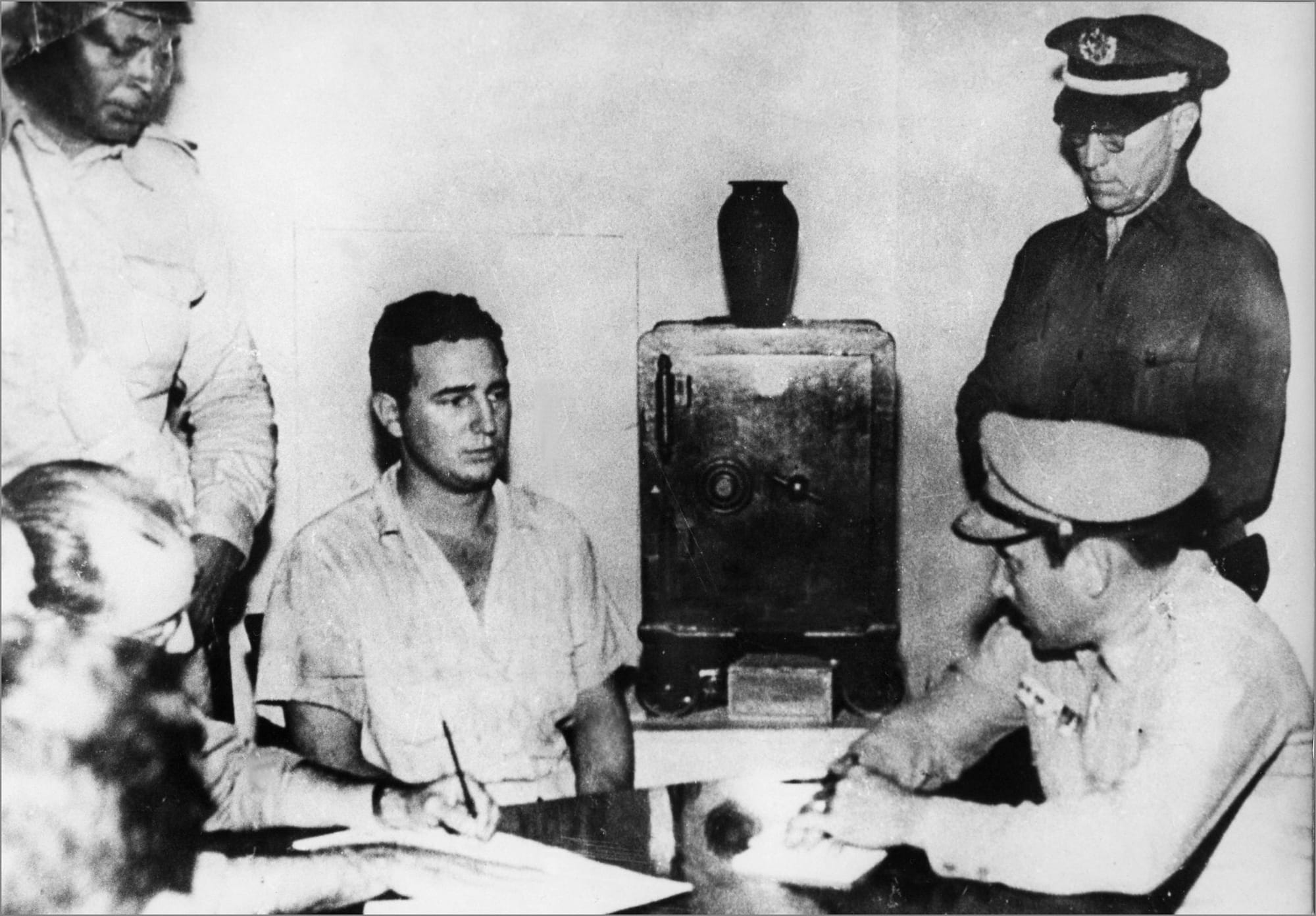
The Moncada Barracks attack • 26 July 1953
On 26 July 1953, Fidel Castro led 137 fighters in an assault on the Moncada Barracks in Santiago de Cuba, leading to a spectacular failure militarily, but also the birth of the revolutionary movement that would overthrow Batista six years later. Castro’s defence speech, “History Will Absolve Me,” became one of the defining documents of Latin American revolutionary politics.
For our archive piece this week we have a passionate, partisan tribute to Fidel Castro following his death in 2016, documenting how the Latin American left understood its own history.
What we’re reading
Everybody loves our dollars, Oliver Bullough
If you read our lead story in this week’s newsletter, you’ll know why money laundering, crypto and gambling has been on my mind. I have read a huge amount on these subjects over the last few months, but Bullough’s book is arguably the best at helping laypeople like me understand the murky world of illicit finances.
Bullough writes in an accessible and informal way, while never compromising on journalistic rigour. He takes the reader around the world, from the Marshall Islands to the Federal Reserve and Saipan, to explore how money is laundered, why our existing approach to tackling money laundering fails, how new innovations such as crypto empower launderers, and how crackdowns have often focused on the wrong places and targets. But two things stand out: first, Bullough never loses sight of how money laundering is not a “victimless” crime. It drives extensive harm to vulnerable people such as trafficking victims to civilians in war. The second is that there are practical solutions that could make a difference now and need to be tried. Number one? Get rid of $100 (and €100) bills.
Sian Norris, senior investigations reporter