US ends its state of emergency over Hong Kong security threat
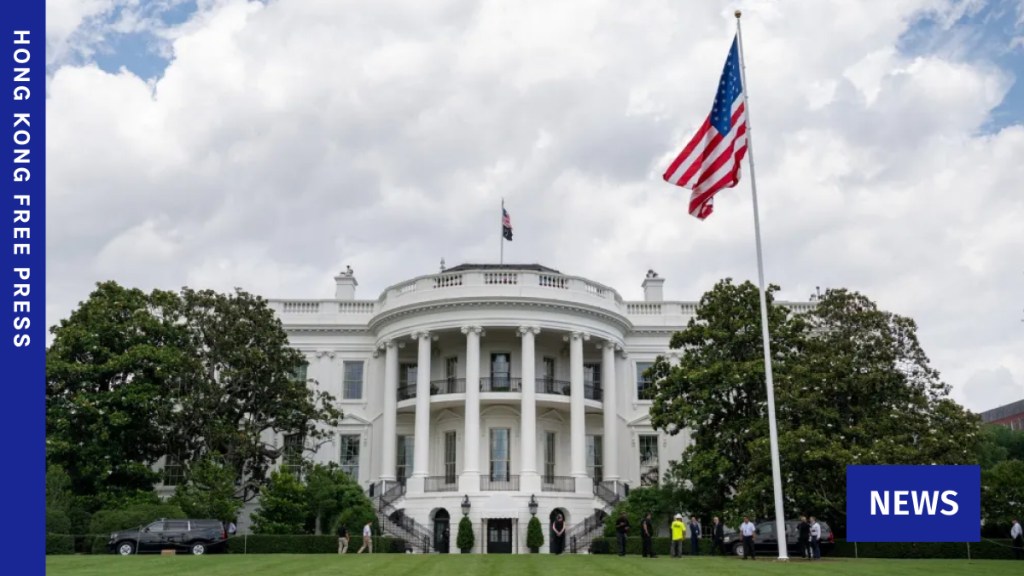
The United States has chosen not to extend its state of emergency over what it deemed threats posed by Beijing’s hardline national security law in Hong Kong, US officials confirmed Friday.
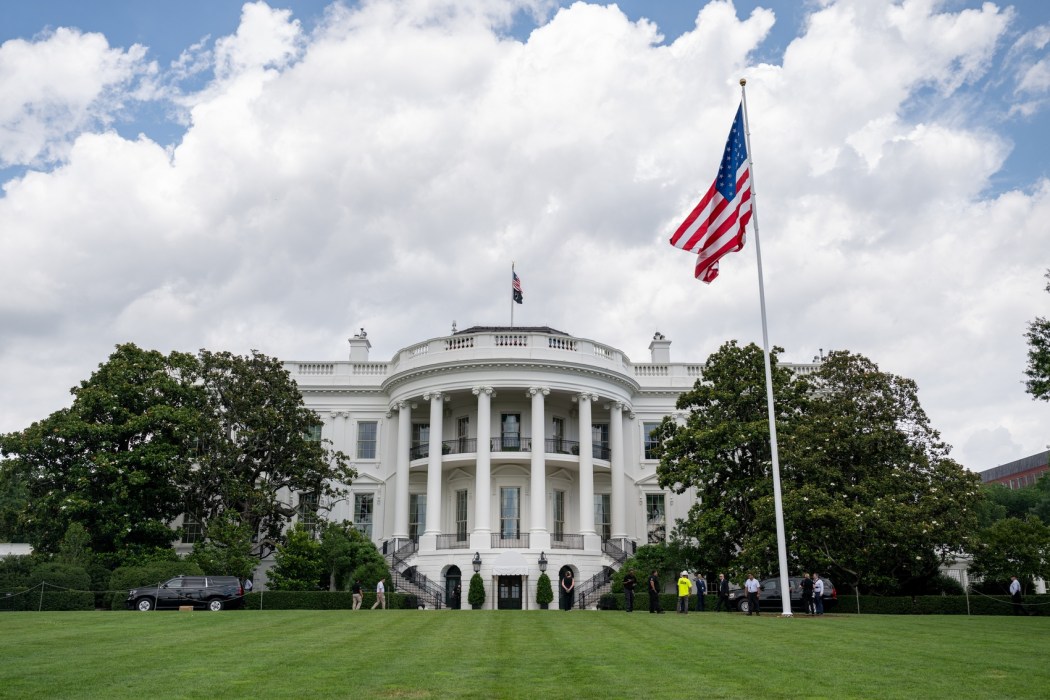
But it remains unclear whether Washington would restore preferential trade treatment for the financial hub — a move that had accompanied the July 2020 emergency declaration.
China’s Ministry of Commerce lauded the development, saying in a statement Friday that Washington’s move was “an important step in implementing the consensus reached during economic and trade talks between both sides.”
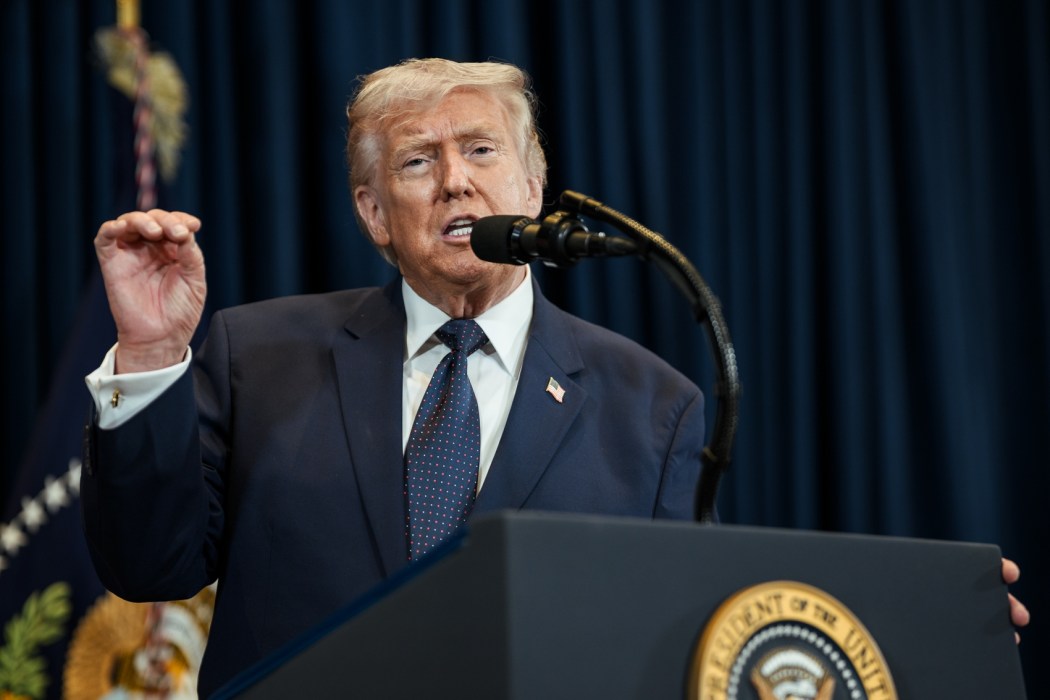
In 2020, during his first White House term, US President Donald Trump stripped Hong Kong of preferential trade treatment over Beijing’s clampdown on the city.
Trump declared a national emergency at the time, with an order saying that China’s actions to undermine Hong Kong’s autonomy contributed to an “unusual and extraordinary threat” to US national security.
The order had been extended annually by the White House until now.
China’s Commerce Ministry said Friday that Washington recently confirmed to Beijing that the order would terminate.
But a US State Department spokesperson said although Trump allowed the national emergency to end, his earlier executive order “otherwise remains in effect.”
“Hong Kong is no longer sufficiently autonomous to justify differential treatment in relation to the PRC” under US laws and provisions listed in the order, the spokesperson added, referring to the People’s Republic of China.
A US Treasury Department spokesperson noted that 39 of 48 people impacted by the emergency’s expiration still face sanctions under a different act.
“The non-renewal is consistent with sanctions modernization efforts,” the Treasury spokesperson said, adding that officials sought to ensure “sanctions are not duplicative.”
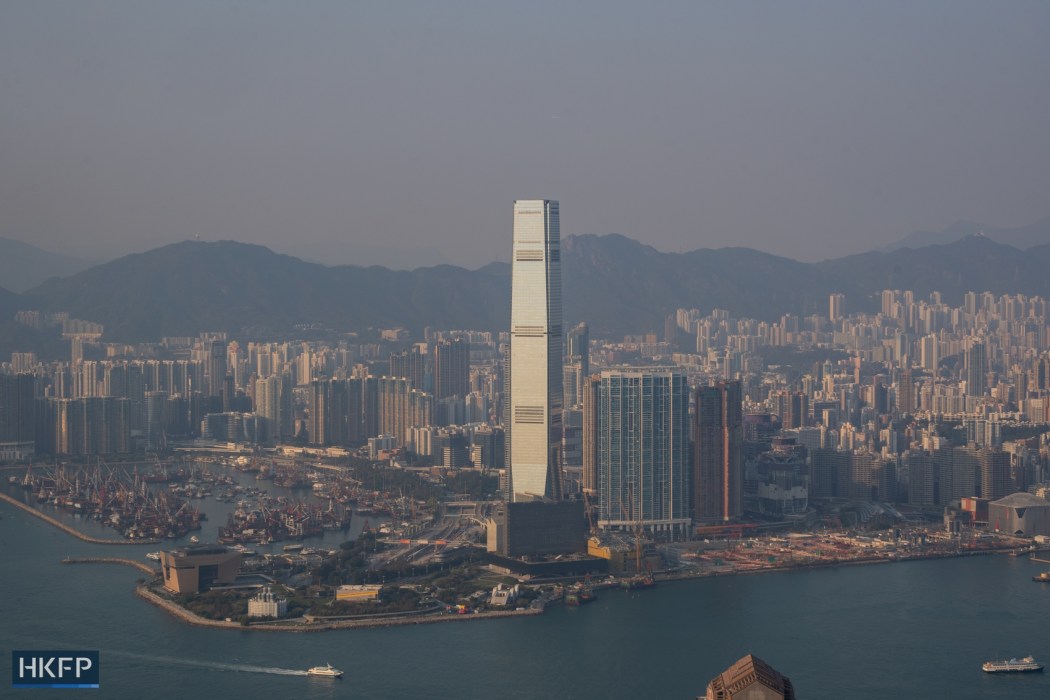
Hong Kong had previously enjoyed a special economic status with the United States, receiving preferential treatment on issues like export controls.
It had maintained significant autonomy since Britain handed the territory back to China in 1997.
But Beijing defied international warnings by imposing the security law, which criminalizes subversion and other offences in Hong Kong, sending a chill through the hub.
The clampdown came after the city saw massive and sometimes destructive pro-democracy protests.
A Hong Kong government spokesperson said the city noted the “positive shift” in US policy and looks towards the resumption of “normal economic and trade exchanges” on both sides.