Ten Australians are taking the government to the UN over fossil fuel exports. What is their case?
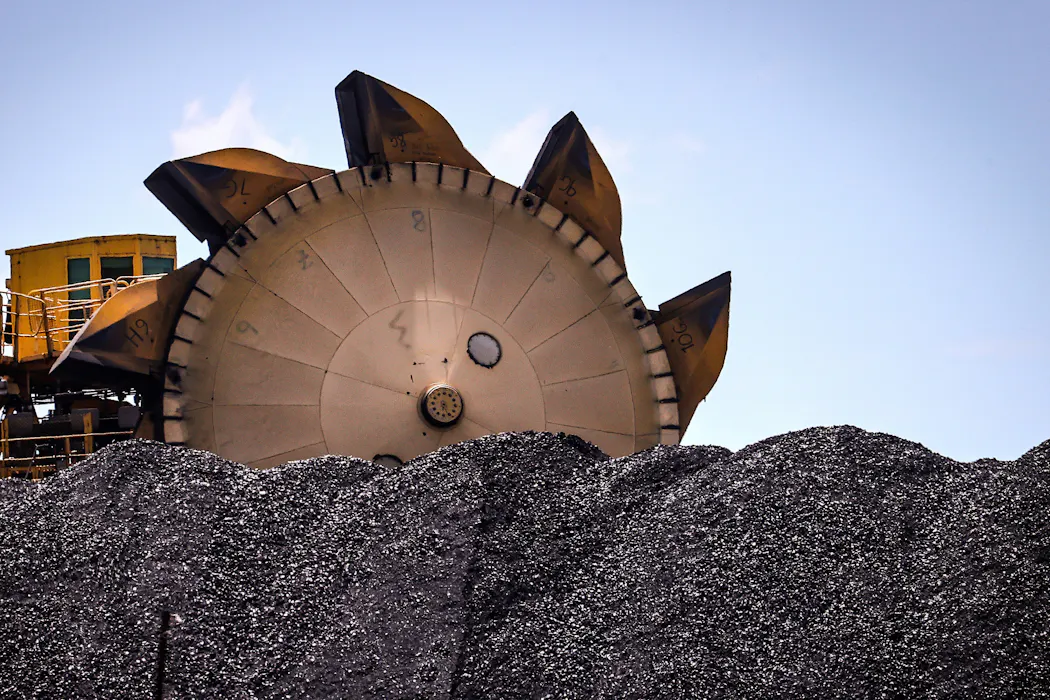
Ten Australians – including a firefighter, First Nations leaders and young people – are bringing their concerns about the nation’s coal and gas exports to the United Nations.
On Tuesday, the group lodged a complaint with the UN Human Rights Committee, claiming the Australian government is failing to protect them from climate harms.
They argue Australia’s continued exports are inconsistent with limiting global warming to 1.5°C, as set out in the Paris Agreement.
This case spotlights Australia’s role as a major . And it’s the first case of its kind to go to the UN since the world’s highest court – the International Court of Justice – ruled countries have a legal obligation to protect the climate and prevent harm to the climate.
Last month, Australia supported a UN resolution backing the Court’s ruling.
So what is this case about? And why does it matter?
Relying on fossil fuels
Australia is the world’s second largest fossil fuel exporter, behind Russia. Our total fossil fuel exports generate around 3.5% of global carbon emissions annually.
Australia’s state and federal governments are continuing to approve and subsidise new coal and gas projects, most of which are for export. However, every approval increases global carbon emissions.
According to the Intergovernmental Panel on Climate Change, every additional tonne of carbon emitted adds to global warming. For example, research shows Woodside’s Scarborough gas project in Western Australia could lead to 484 additional heat-related deaths in Europe alone, and may expose 516,000 people to unprecedented heat. Woodside has said the project “is expected to be one of the lowest carbon intensity sources of LNG delivered into north Asian markets”.
Despite growing concern about fossil fuel exports and emissions, authorities generally don’t give much weight to export-related climate harms when deciding to approve or reject fossil fuel projects.
Who is involved in this case?
The current case involves ten people making a claim against the government. These include First Nations leaders, people with disability, young people and a firefighter.
Each person says they have experienced climate harms, ranging from bushfires and extreme heat to flooding, rising sea levels and algal blooms. The First Nations claimants say extreme heatwaves have limited their ability to maintain certain cultural practices, such as engaging in controlled cultural burning. Floods have also displaced them from their traditional lands.
The case is now before the UN Human Rights Committee. This committee is made up of 18 independent human rights experts and checks whether signatory nations are upholding the terms of the International Covenant on Civil and Political Rights. This is a key human rights treaty that Australia signed in 1972.
If this committee finds that Australia has breached the terms of this treaty, it can make recommendations to ensure Australia meets its obligations. While these recommendations are not legally binding, they carry weight.
What are they claiming?
The claimants have told the UN that Australia’s continued support for fossil fuel exports is inconsistent with limiting global warming to 1.5°C, as set out in the Paris Agreement.
They are making three main claims to support this:
-
the climate emergency has already harmed the claimants, and these harms will get worse in the future
-
Australia’s fossil fuel exports have and will materially contribute to climate change
-
by continuing to produce fossil fuels for export, Australia has breached its obligations under international law to prevent significant and foreseeable climate harms.
The claimants will also argue Australia’s actions breach multiple human rights obligations. These include failing to respect and protect Australians’ rights to life, privacy, family and home life, and culture.
Yet to unfold
In this historic case, the claimants want to establish a clear link between human rights and Australia’s fossil fuel exports.
They have told the committee that climate harms such as extreme heat, bushfires, floods, and sea-level rise directly threaten the right to life by increasing the risk of serious injury or death.
For First Nations communities, climate harms also disrupt connection to Country and prevent communities from sharing traditional knowledge on Country, undermining the right to culture.
This case is unfolding in the wake of last year’s International Court of Justice Advisory Opinion. The court found that a clean, healthy and sustainable environment is needed to enjoy human rights. The court also recognised all states have a binding legal obligation to prevent significant harm to the climate.
Read more:
The UN says access to a healthy environment is a human right. Here’s what it means for Australia
Where to next
If this case is successful, the Australian government could be held responsible for climate harms caused to Australians by its fossil fuel exports.
The committee may also recommend Australia phase out its fossil fuel exports. This would expose Australia’s export industries to increased domestic and international scrutiny.
This case has the potential to shape future climate litigation, as well as government policy.

The authors do not work for, consult, own shares in or receive funding from any company or organisation that would benefit from this article, and have disclosed no relevant affiliations beyond their academic appointment.