Tai Po fire: Renovation directors denied knowledge of combustible materials and bid-rigging despite contrary evidence
Two directors at the renovation firm that oversaw works at Wang Fuk Court when a deadly fire broke out last November denied knowing that substandard, combustible materials were being used at the estate, according to witness testimonies made accessible to the public.
“Prior to the incident, I had received no complaints indicating that materials in use were combustible. Accordingly, I was not aware that the scaffolding nets and foam boards used at Wang Fuk Court were combustible at all,” said Gordon Ho, a director at Prestige Construction & Engineering Company.
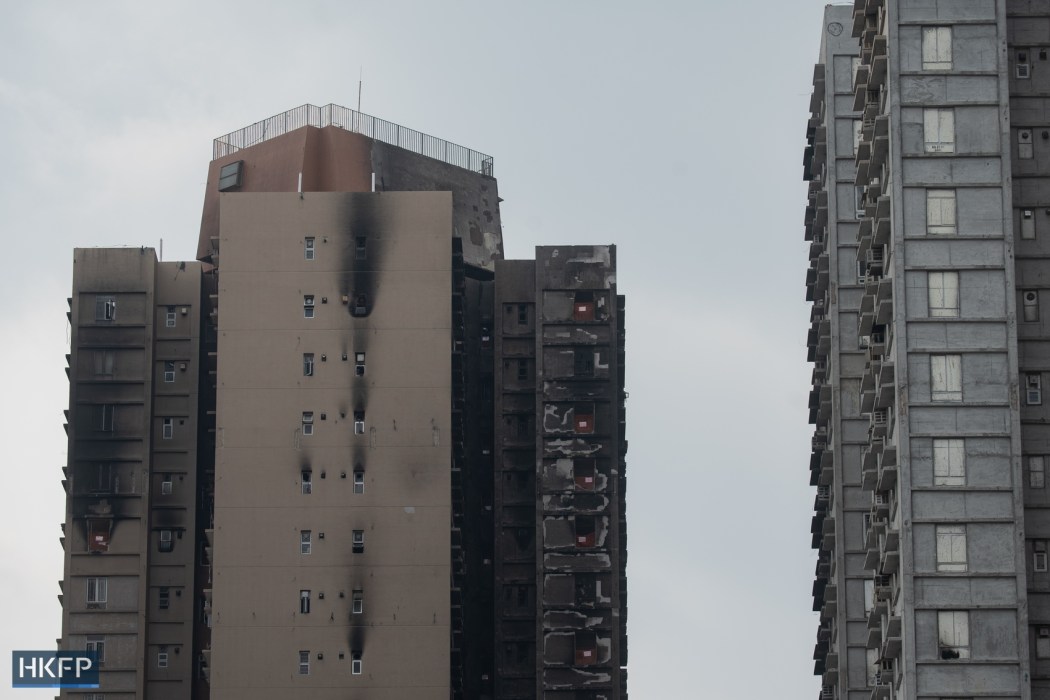
The fire tore through seven of the estate’s eight buildings last year, killing 168 people and displacing thousands. An independent committee was set up to probe the cause and rapid spread of the fire, with hearings concluding earlier this month.
In a witness statement from July 2 uploaded on Wednesday evening to a website related to the probe, Ho maintained that Prestige operated above prevailing industry safety management standards, adding that he was “not aware at the time of any obvious deficiencies or shortcomings in our procedures.”
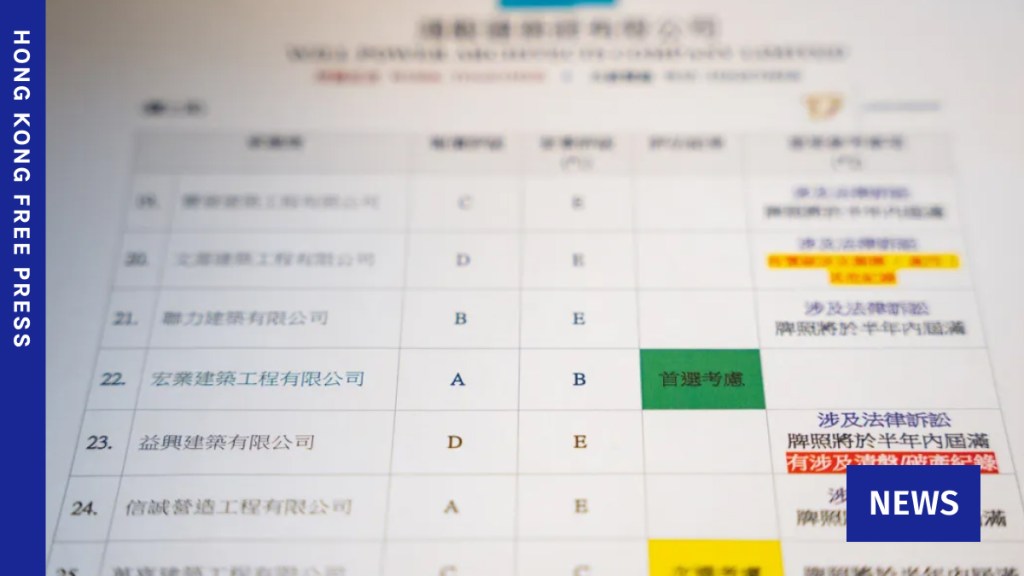
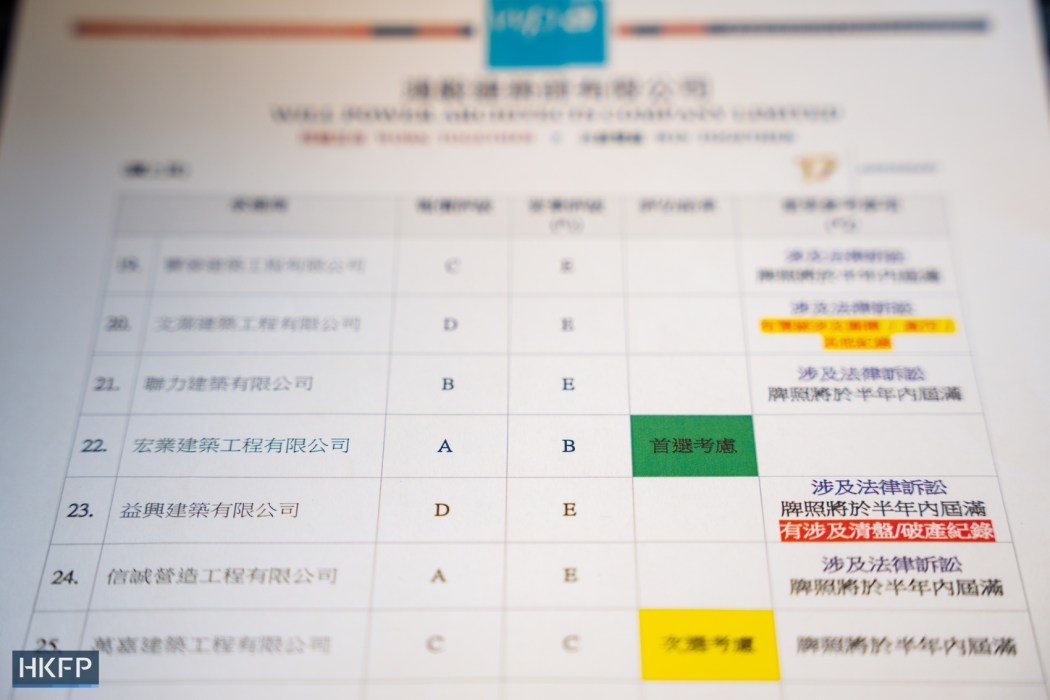
Ho, as well as Prestige’s other director, Hau Wa-kin, also denied claims of bid-rigging and colluding with the project consultant to secure the renovation project at the Tai Po complex, which was in progress when the deadly blaze broke out last November.
Neither Ho nor Hau testified before the probe committee in person, instead opting to submit written testimonies. Both are currently in detention after they, along with five others, were arrested and charged last month over the deadly fire.
Ho, along with the two directors of Will Power Architects, the consultancy firm overseeing the renovation works, was charged with manslaughter, among other offences.
Ho said in his witness statement that it was a subcontractor “of good repute,” namely New Nam Fong Construction Limited, that procured the foam boards. Similarly, he said that the scaffolding nets were procured by another firm, Gain Profit Shed Industry Limited.
Investigations have pointed to the materials as factors that exacerbated the rapid spread of the fire.
Ho said he saw videos of the nets and foam boards being tested for fire resistance. He said neither showed signs of being flammable, adding that the results “gave no cause for alarm.”
“It is not foreseeable to me that these materials themselves were the source of the fire,” Ho said in his statement.
Contradictions
Ho’s claim that he received no complaints about the materials being combustible appears to contradict earlier testimony.
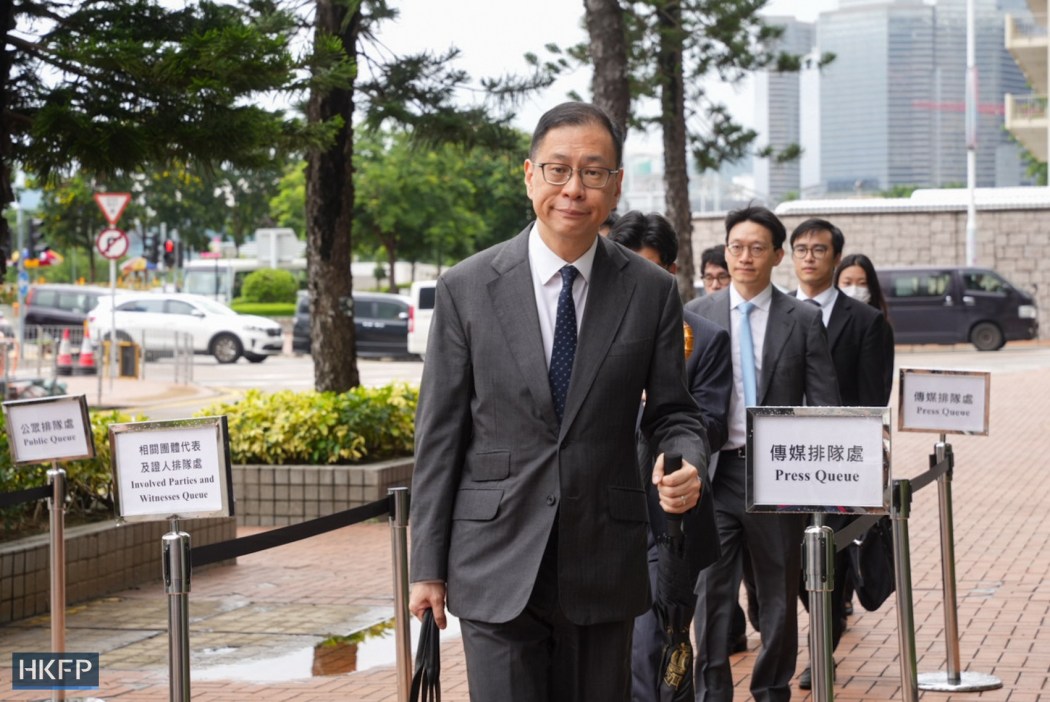
Tony Tsui, who was chair of the management committee of the Wang Fuk Court owners’ corporation when the tragedy struck, told the independent committee earlier that the owners’ board had asked Prestige not to use the flammable foam boards and urged them to ban smoking on the worksite.
The owners’ board ultimately failed to pressure the contractor into action.
Ho’s claim that he was unaware also seems to contradict text messages submitted to the committee as evidence. In a text message screenshot, Gain Profit proposed using flame-retardant netting, only to be told by Ho: “If I tell you to order, order. Don’t ask so many questions.”
The deactivated fire alarm systems at the estate were among the main “human factors” that contributed to the rapid spread of the fire, the committee’s lead counsel Victor Dawes had said earlier.
Ho said he received no reports that the fire systems were non-operational. Prestige hired two fire safety inspection contractors to conduct checks, and the estate’s fire pump room was under the control of the estate’s management office and “out of the control of our employees.”
Hau, in his own witness statement, denied claims of bid-rigging. “I incline to the belief that no such manipulation has ever occurred in this matter,” he said.
Addressing the inquiry’s finding that Prestige had links to several other contractors at the bidding stage, Hau said those connections were “purely commercial and competitive in nature.”
Prestige had links to at least five competing contractors, the inquiry heard earlier, while Will Power was found to have links with at least three other bidders. The consultant’s bidding price was “materially lower than average” – a common strategy to secure a foothold in the renovation project.
The massive fire brought to light a bid-rigging epidemic in Hong Kong’s renovation industry. An investigator at the city’s anti-graft watchdog said last month, when the directors were arrested: “We suspect that this tragedy was fuelled entirely by individual greed.”