Slashed pay, soaring workloads: AI didn’t take these Hongkongers’ jobs – but it hasn’t made them easier

| Part of an HKFP series about the impact of the AI-era in Hong Kong. |
“You won’t be getting the Gayle treatment in my post-winning Oprah lifestyle,” reads a subtitle file on the screen of freelance translator Kelly Ng’s laptop.
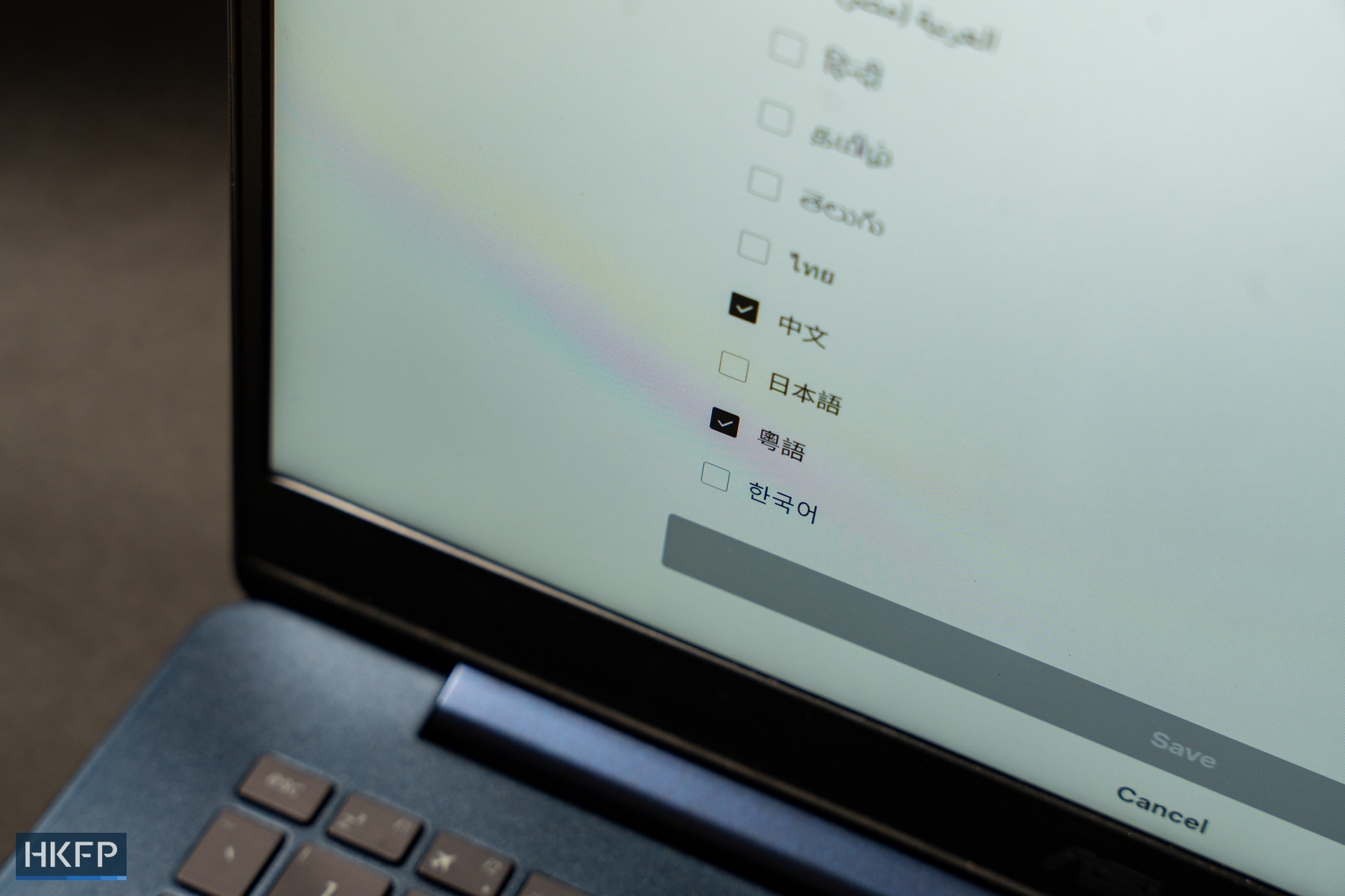
Neither Oprah, nor the talk show host’s long-time collaborator Gayle King, is a household name in Hong Kong. Even when transliterated into Chinese, their names would still be incomprehensible to a local audience. But, then again, evoking the name of a local celebrity would depart too much from the original cultural context.
To have this dialogue come across naturally for a local audience, “you would have to generalise and say something like ‘富婆’,” said Ng, referring to a colloquial term for a wealthy old woman.
Since AI systems began launching in late 2022, Ng has had to edit and rewrite two TV episodes’ worth of AI-generated subtitles in a single day for half of what the market rate was some three years ago.
This shift to a “machine translation post-editing” landscape has left working translators with dramatically lower pay rates and expectations for quicker turnarounds, often resulting in poorer outcomes. In one case, a company she had previously worked with dropped its rates from around HK$30 per minute of sitcom dialogue to as low as HK$9, which amounts to a 70 per cent pay cut.

That said, Ng still hasn’t been fully “replaced” by her AI counterpart, as many feared would be the case when OpenAI’s ChatGPT launched in 2022.
An increasingly common refrain is edging out the “replacement” narrative in public discourse: that human roles will not be entirely replaced by AI, but transformed.
Research from the Boston Consulting Group (BCG) in April suggested that, while 10 to 15 per cent of existing jobs could be wiped out in five years, AI will “reshape more jobs than it replaces,” arguing that most jobs will remain. Around 50 to 55 per cent of them will change substantially, BCG predicts.
But it appears these transformations might not be benefitting everyone. Louiszen Yip, an in-house system designer for a construction company, has seen his workload quadruple in the years since the AI boom began, all thanks to AI coding tools that some say have rendered the skill obsolete.
Tools such as Cursor and Claude Code have trivialised coding, with tasks that once took a month to complete now only requiring a single prompt, said Yip. That has led to skyrocketing expectations for efficiency and output while pay remains stagnant in most cases.
Scale and speed
Ng, who started working as a freelance translator straight out of university in 2023 – a rare career choice among her classmates – said that manual subtitling jobs have virtually disappeared as streaming platforms and translation agencies shift to AI-generated drafts.
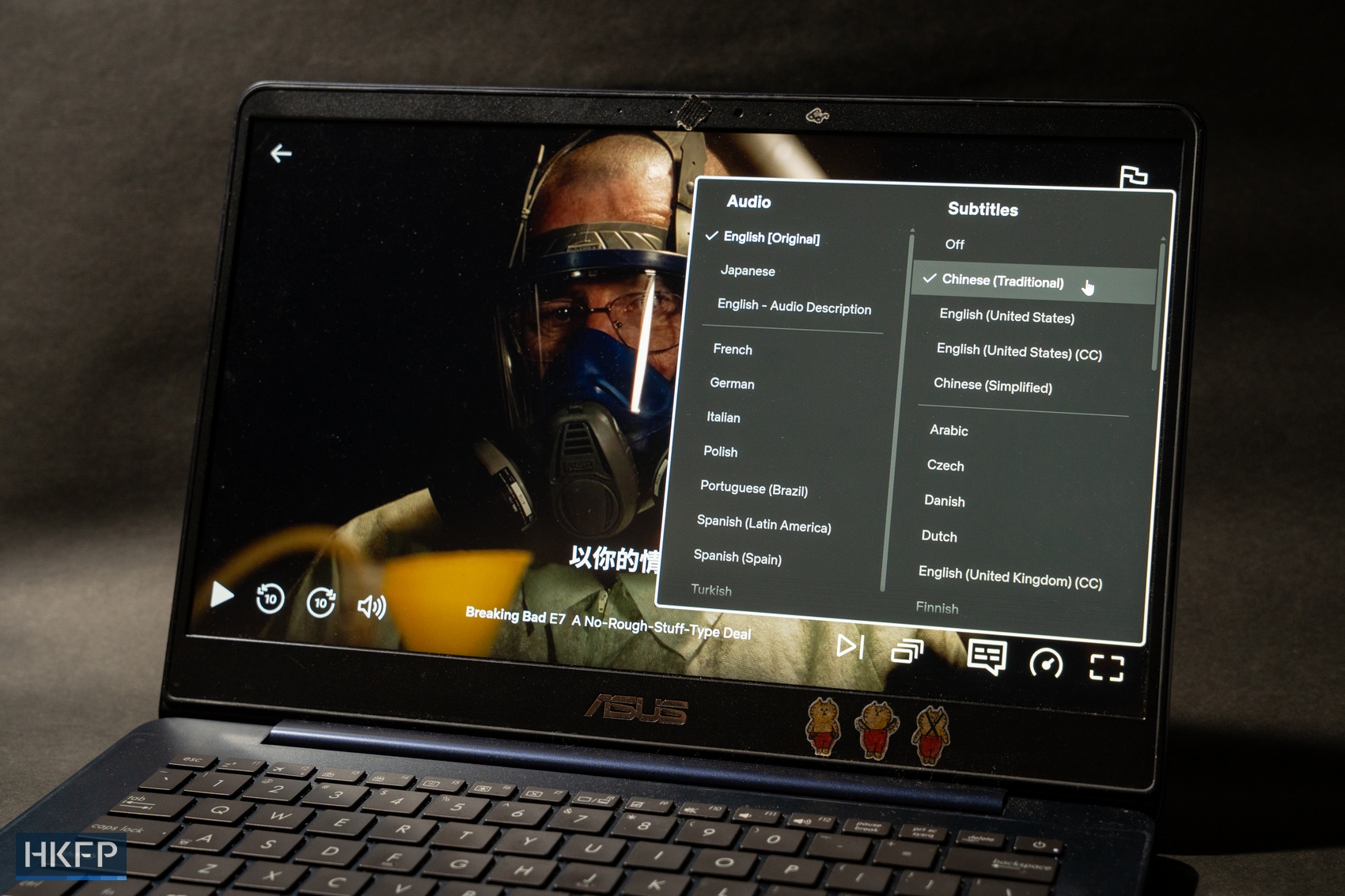
“The rates have basically been cut in half,” said Ng, who creates Chinese subtitles for American shows to be distributed in Hong Kong. Translators are now being required to finish subtitling two episodes per day, whereas they would previously have a week for such tasks, she added.
Behind the slashed rates and shorter turnaround times is the assumption that AI does the heavy lifting for translators, but Ng disagrees.
AI drafts are typically riddled with figures of speech lost in translation and simplified Chinese characters used for the mainland China market, not Hong Kong’s. “AI translation usually only captures one layer of meaning,” Ng said.
“If you don’t do it, someone else will… There are plenty of people in this industry who are willing to ruin the market.”
freelance translator kelly ng
A 2026 Harvard Business Review study suggests AI intensifies, not reduces, work – yet the new mode has become the norm.
Firms that refuse to adopt AI and maintain that human translators are key to delivering quality are few and far between, whereas the vast majority of companies already have AI tools baked into their proprietary subtitling systems, Ng said.
Wang Dingkun, an assistant professor in translation at the University of Hong Kong, told HKFP that highly formulaic fields of translation such as financial translation are more vulnerable to AI, whereas the technology may not be powerful enough to replace humans well-versed in translating cultural nuance.
“Currently for audiovisual translation, AI solves the problem of scale and speed, but it can’t solve the problem of quality,” he explained.
The AI draft also has a “priming” effect that tricks translators’ brains into thinking the AI translation is accurate, limiting their creativity and slowing down the process.
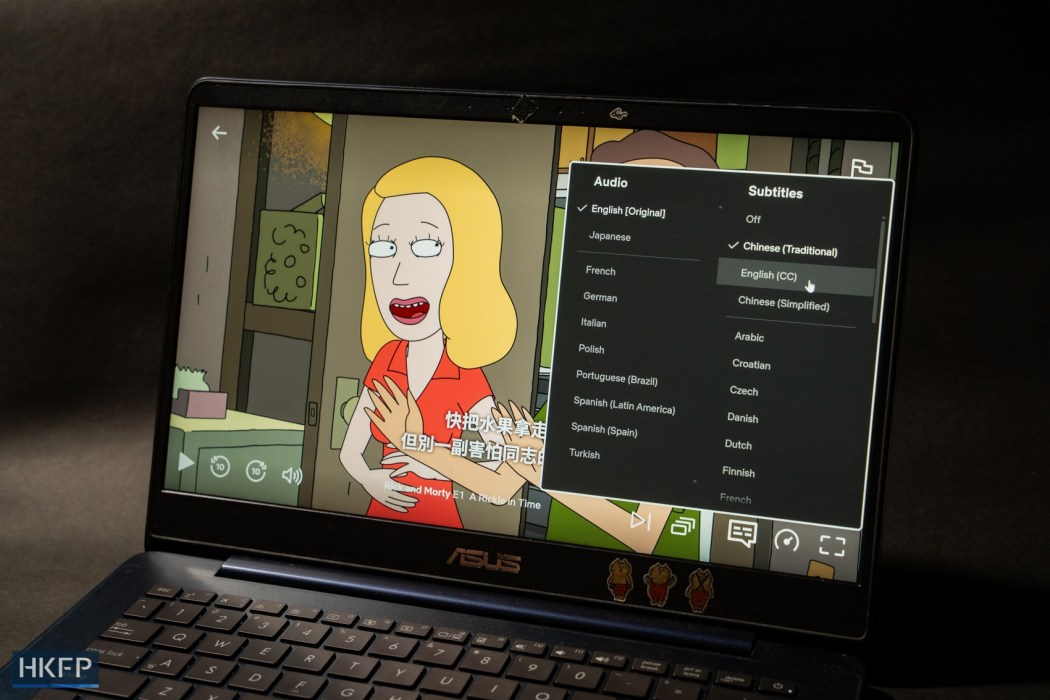
“My train of thought gets affected and I wouldn’t be able to think of a better translation than the AI. If I hadn’t looked at the AI draft to begin with, what I would come up with myself would probably be much better and more natural,” Ng said.
Making edits and rewrites to ensure jokes and wordplay are translated for a local audience without compromising on quality takes much longer than companies realise, Ng said. “You do save the time it would take to type each word out, but editing actually takes a long time… Sometimes I think the deadlines are unreasonable, but I don’t have a choice.”
“If you don’t do it, someone else will,” she said, describing a state of downward competition. “There are plenty of people in this industry who are willing to ruin the market.”
‘Overhype’
James St Andre, chair of the Department of Translation at the Chinese University of Hong Kong, believes that the introduction of AI has moved human translators towards a more editing-centric role, though human jobs will not be entirely eliminated.
To the professor, the ability of AI to perform translation has been “overhyped.” But despite his assurances, his department has seen record-low enrolment figures in recent years, coinciding with the AI boom following the November 2022 release of ChatGPT.
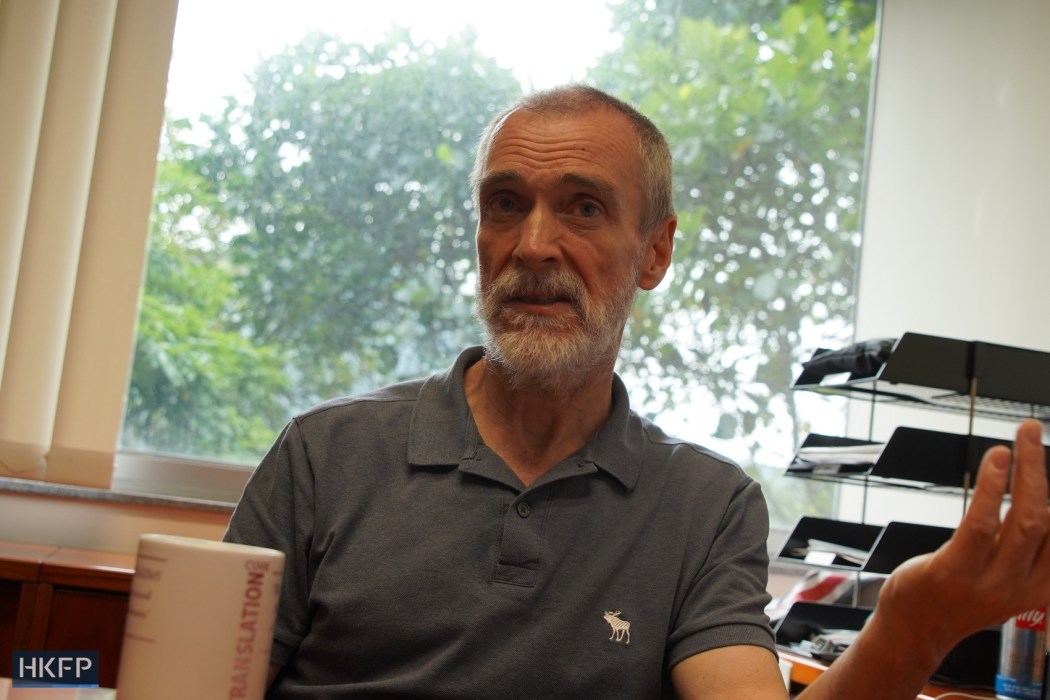
It appears there is a gap between how industry professionals and the general public perceive the power of AI, he said, adding that the idea that translation is uniquely vulnerable to AI is a “very powerful inaccuracy.”
“It certainly shapes public opinion, and public opinion influences what students decide to do as a major in college or if a person is making a decision about a career,” St Andre said. While companies are benefitting from the heightened efficiency, translators’ wages are not going up at the same rate, he added.
He also fears that AI output – “this kind of homogenous, mid-range level of acceptability” – may dumb down our language and drop industry standards. Though, he remains cautious that the technology could keep developing and one day be good enough to replace human translators.
See also: Karen Hao – toppling the AI empire in an era of the tech trillionaire: ‘Nothing is inevitable’
“I think that AI is being oversold. The number of errors, the number of hallucinations, the times when it just doesn’t get it or gives wrong information – you just can’t trust it,” he said.
‘Multiplier’
Indeed, compared with the malleability of language and translation, the rules for coding are clearer. Yip, the systems designer, recently coded an app to digitise a permit system for construction projects. With the help of AI tools, features that once took a month to code can be completed in seconds using just one prompt, with minimal errors, he said.
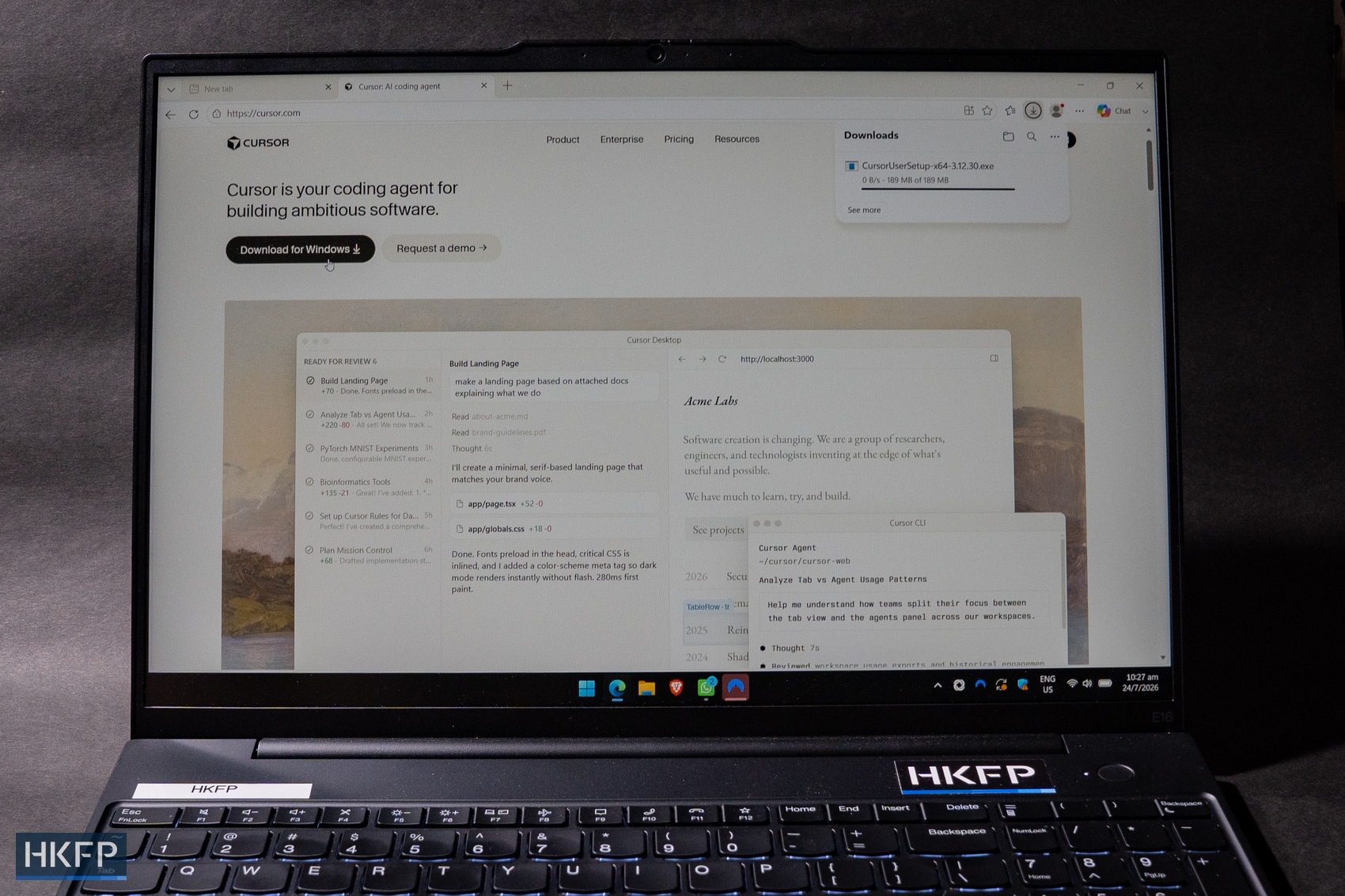
In turn, his workload has increased almost fourfold, but the nature of his work has also been simplified now that AI tools can help cut down on most of the code he used to have to write himself. Unlike the experience of translators, Yip’s wages have not been slashed in the wake of AI tools being rolled out.
According to the Harvard Business Review study, the extra workload and multitasking demanded of engineers in the age of AI could lead to cognitive fatigue, burnout, and weakened decision-making.
Yip believes AI tools “multiply” an engineer’s existing skillset, which cannot be replaced. “For programmers, you still need the knowledge and the mindset,” he said, highlighting the differences between how a professional software engineer and an amateur would enter prompts into an AI coding tool.
The BCG report delineates the role of a human software engineer and AI-generated code: While AI can speed up code generation, the “core value” of a software engineer lies in “system design, architectural judgment, trade-offs between performance and cost, and the translation of business needs into technical solutions.”
“If your skills are rated at 10 and you multiply by 100, you get 1,000… but if you start at zero, multiply by 100 and you still get zero,” he said.
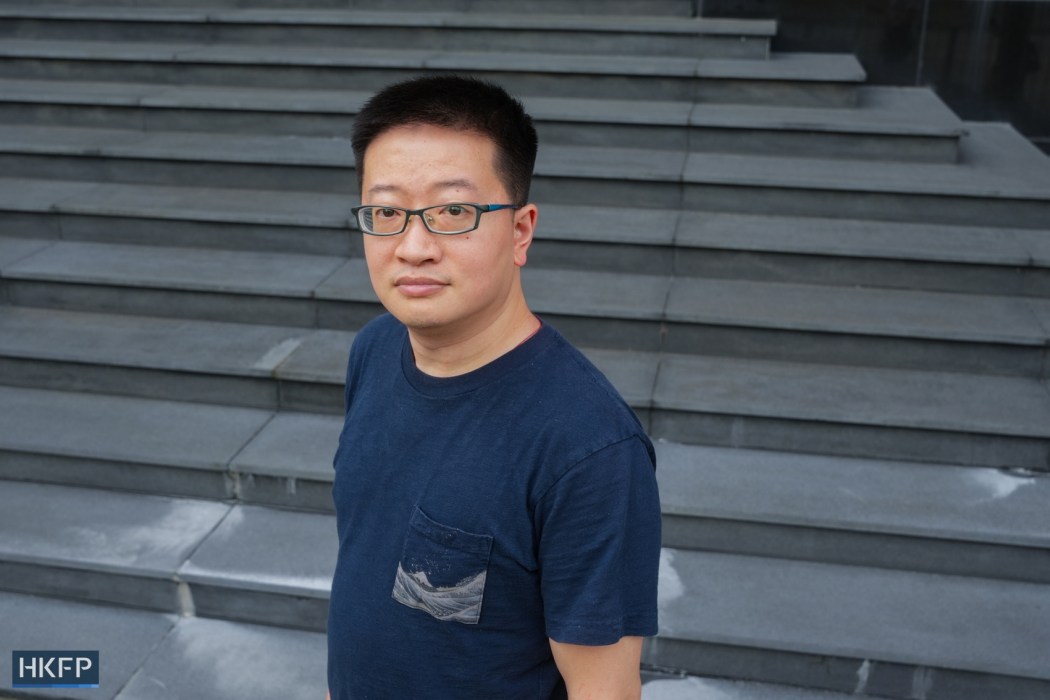
As in the field of translation, real engineers are needed to inject the human touch. “All the products created by programming have to be human-oriented… The AI doesn’t have social experience, but you do,” Yip said, explaining that human programmers must be retained to make sure apps and software are user-friendly and accessible.
See also: Hong Kong academia rethinking higher education as AI disrupts teaching and learning
However, he also said that AI had a tendency to give people unrealistic expectations. “Just tell the AI to do it!” he mocked. All too often he has been asked to create features that would be impossible to implement, “like asking the MTR to run at a frequency of 50 trains per minute,” he said.
AI’s cost dilemma
Last month, The Verge reported that Microsoft had begun cancelling licences for Claude Code, the AI coding bot created by tech firm Anthropic, fuelling speculation that the cost of “tokens” – the unit measuring commands fed to AI coding tools – had become unsustainable.
While Uber exhausted its 2026 AI coding budget in four months, Nvidia’s Vice-President of Applied Deep Learning Bryan Catanzaro said that AI computing costs far more than human labour. The emerging bottleneck has begun to cast doubt on the notion that using AI is cheaper than hiring humans and, by extension, that AI can easily replace human workers.
At Yip’s company, each programmer gets access to an enterprise subscription for an AI coding tool, which costs the firm some US$700 (HK$5,500) per person every month.
He said that most bosses would rather spend on AI to reach levels of productivity that would have previously been impossible than give workers pay rises. As a result of the AI boom, expectations for efficiency have been set so high in recent years that coding manually is no longer a viable option.
“Output has been increased, but pay remains the same,” he said.
If Yip wants to look for another job, he will have to consider whether the new employer will pay for AI tools. Otherwise, he is looking at a pricier US$1,000 (HK$7,840) individual plan that he will have to pay out of pocket every month, taking a hefty chunk out of his pay cheque.
While fields like translation have also normalised spending on AI tools, they are less expensive. An annual classroom licence for HKU professor Wang’s class, consisting of 40 students, costs around HK$60,000. Ng, who doesn’t have a fixed employer she can rely on to pay for AI tools, has to pay for her own ChatGPT subscription – an extra cost on already depressed wages.
Job market woes…
In May, Hong Kong’s labour minister Chris Sun said that full-time job vacancies suitable for Hong Kong university graduates have plummeted by 60 per cent as AI sweeps through the city’s labour market.
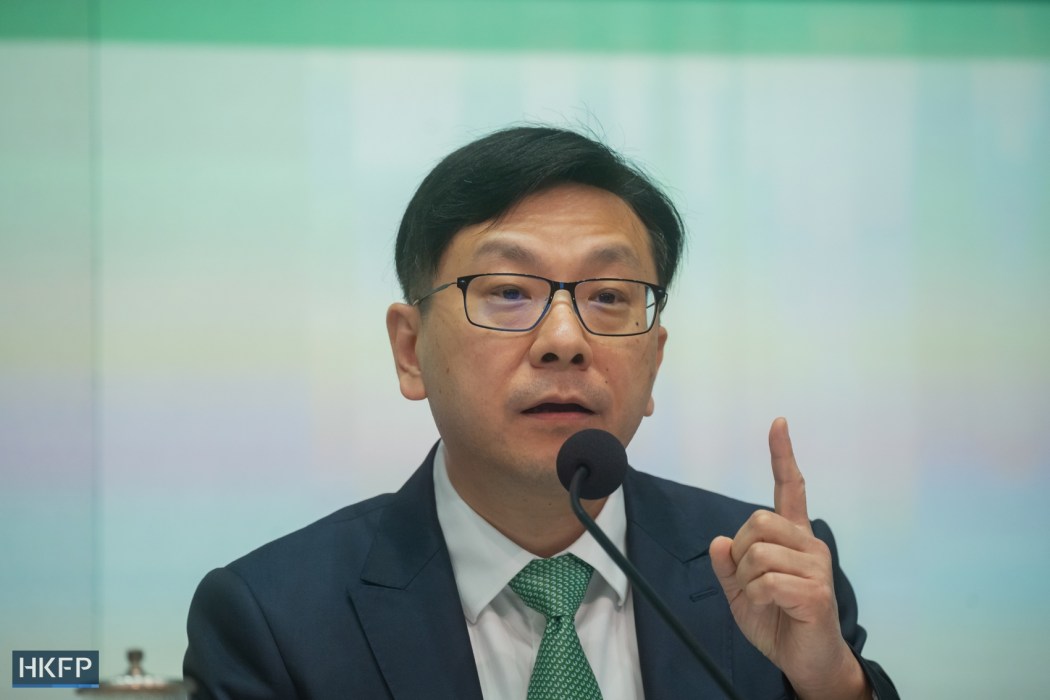
With AI being adopted en masse, Hong Kong needs talent policies that mitigate the threat of entry-level positions being wiped out, the Hong Kong Future Economy Institute think tank argues.
Yip recalled when headhunters would actively reach out offering 30 to 40 per cent pay rises years ago. But he said he believes today’s job market woes were not primarily due to AI – rather, it is the struggling economy.
Behind the layoffs and countless unanswered applications bemoaned by jobseekers amid the AI hype, a struggling economy has already dogged Hong Kong’s job market for years. In a January article, University of Hong Kong researchers Alan Kwan and Mingzhu Tai said that current labour market conditions could be complicated by factors other than the AI boom.
The researchers found that professions deemed “exposed” to AI in Singapore and the US saw a decline in headcount in 2022, after ChatGPT launched.
Hong Kong’s headcount growth appears to have stagnated since around 2020, the authors said, attributing that trend to other factors such as the residual effect of Covid-19 restrictions and the emigration wave following the 2019 protests and unrest.

While it was apparent that the rise of Large Language Models such as ChatGPT has had an impact on advanced economies, “there appears to be pre-trends” in Hong Kong, the researchers said, “making the labour market effect of AI somewhat murkier.”
...and business opportunities
Meanwhile, the AI boom has also given some entrepreneurs an edge. Russell Wait, the Hong Kong-based founder of dubbing production company Red Angel Media, is sticking to traditional voice acting, but is just as optimistic about AI-assisted voiceovers.
The American, who moved to the city in the early 2000s, is known for his voiceover career spanning more than two decades of anime series and local productions. In the age of AI, he is more aware than ever of the backlash regarding AI use.
HKU’s Wang notes that fans demanding high-quality productions are already butting heads with distributors using AI “uncritically” in their favourite shows. Last November, Amazon Prime Video came under fire from fans of several anime titles after it rolled out AI-generated English and Spanish voice acting dubs for the shows.
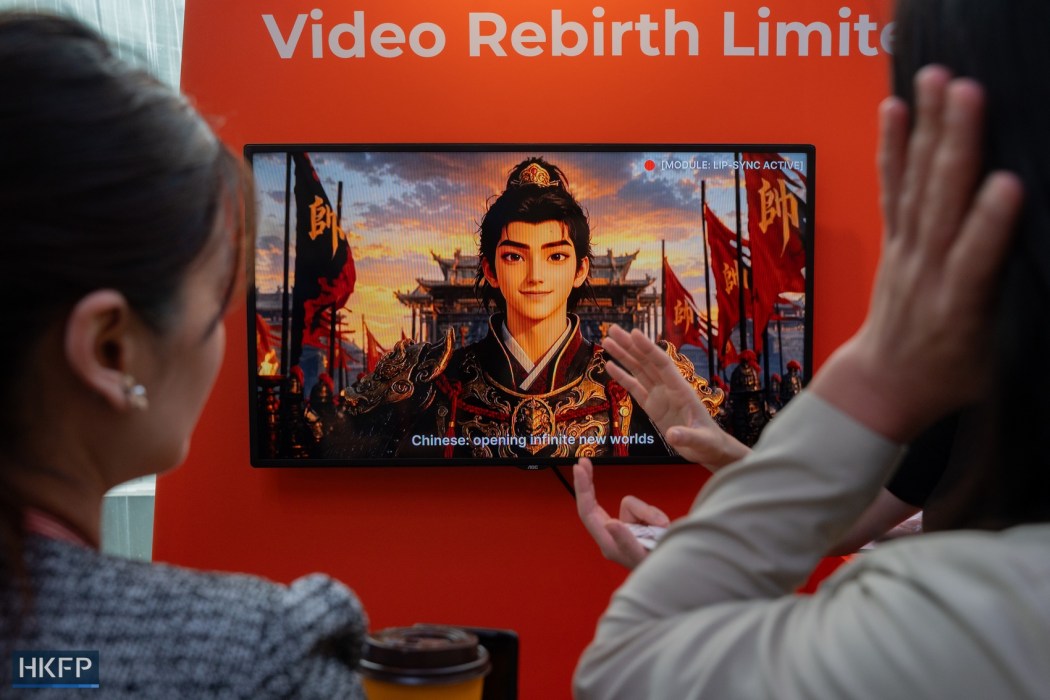
The streaming site pulled the dubs shortly after the backlash, and an industry body offered its services to ensure “respectful, authentic, human dubs” can be used in the future.
“This is a very clear message to the platforms, broadcasters, and distributors that the audience values quality, and the human input,” Wang said.
Since 2024, Wait has been overseeing regional operations for Adapt, a self-styled “AI-enabled localisation company” based in Colorado which boasts the ability to deliver four times faster and at a quarter of the price.
“AI is being used as a support process more than a direct replacement… It gives us a lot of speed and the ability to handle larger amounts of content,” he said.
Without laying off a team of translators, Adapt has been able to tap a new client base by offering AI-assisted dubs and translations checked by what the company calls “cultural ambassadors.”
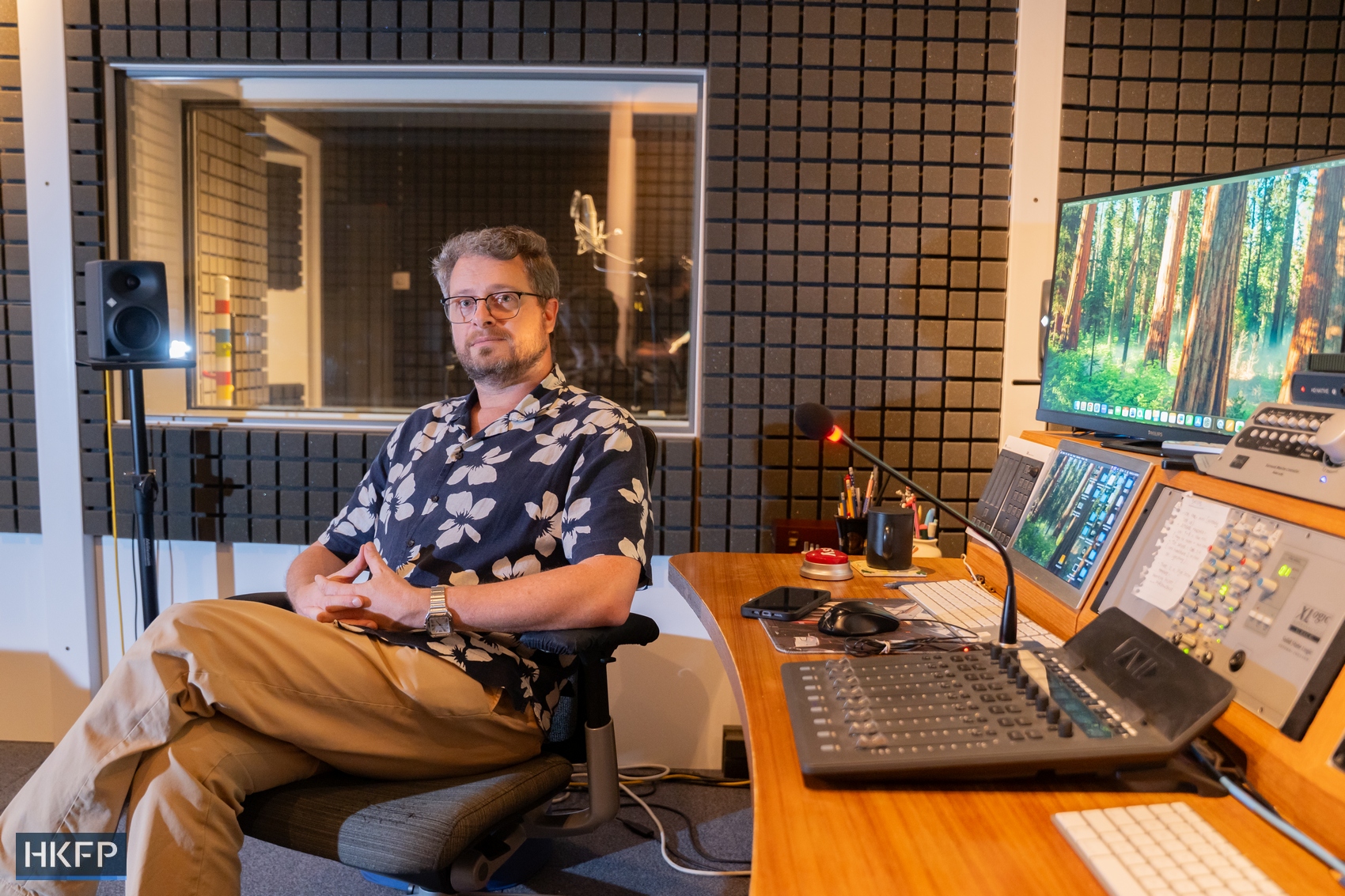
Clients that need voiceovers for advertisements or videos but might not be able to justify the cost of a human voice actor’s services would then have a cost-effective option, Wait said. “There’s always going to be a need for affordability over quality, and that goes for any industry at any time throughout the history of any business.”