Opinion: The Quiet Erosion of an Agreement Granting New Yorkers Free Admission to Park Museums
“Residents were never supposed to be customers purchasing tickets. They were the constituents the museums existed to serve.”
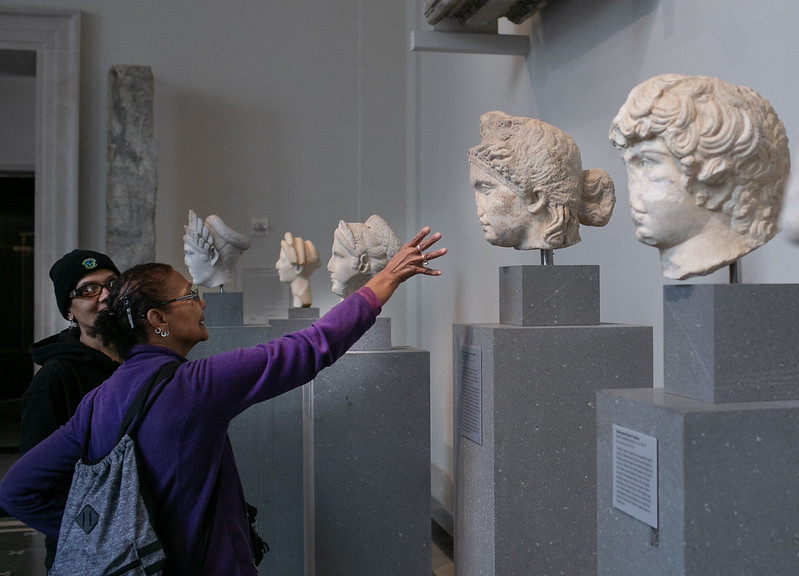

For generations, New York City’s museums were more than tourist attractions. They were neighborhood institutions—civic spaces built for New Yorkers first.
Today, that mission is becoming unrecognizable.
Each year, New York City welcomes more than 65 million visitors; a number recently underscored by the surge in tourism during the World Cup. Museums across the five boroughs capitalized on that influx through special exhibitions, themed programming and a series of events aimed at global audiences. Institutions once envisioned as extensions of the public school system are now increasingly promoted as engines of the city’s tourism economy.
Museums should adapt to attract visitors or generate the revenue needed to sustain world-class collections and programming. The problem is that institutions located on parkland have drifted away from the public-private partnership on which they were founded.
In the mid-19th century, civic leaders struck a bargain with park-situated institutions, including The Metropolitan Museum of Art, the American Museum of Natural History and others. In exchange for occupying valuable city-owned land and buildings rent-free, these museums agreed to provide free admission to New York residents. The arrangement was straightforward: taxpayers would sustain these institutions through public resources and in return, New Yorkers would have free access to the cultural and educational benefits they finance.
The notion that these institutions exist for New Yorkers is not merely historical, city leaders continue to affirm it today. Department of Cultural Affairs (DCLA) Commissioner Diya Vij recently underscored this point in a press statement, noting, “The institution [The Met] belongs to all New Yorkers…art is not a luxury but a powerful source of connection and curiosity open to us all.” That commitment was echoed when Mayor Zohran Mamdani and the City Council approved a record $323 million budget for the DCLA, describing the city’s artists and cultural institutions as New York’s “beating heart.”
Residents were never supposed to be customers purchasing tickets. They were the constituents the museums existed to serve.
Over time, the bargain between residents and New York City cultural institutions has quietly eroded. Admission fees and pay-what-you-wish policies are now the norm, and many residents don’t know that free access was once a founding condition—not a promotional offer—embedded in the original laws and agreements between the city and these cultural institutions.
The question isn’t whether museums should keep attracting tourists. Of course they should. The question is whether New Yorkers are being taken advantage of in the process. I believe they are. Residents already subsidize these institutions through public land, public funding and public goodwill. They should not also be asked to pay again at the door. As museums position themselves to capitalize on another record tourism year, that injustice deserves scrutiny.
Maintaining world-class collections is expensive, and no serious argument pretends otherwise. But financial pressure doesn’t erase the terms of a public covenant.
New Yorkers were promised free admission. That promise should not be quietly abandoned. It is time for our state legislators and members of City Council to call on the Department of Cultural Affairs and Parks Department to enforce the free admission provisions these institutions agreed to. If public land and public support remain part of the bargain, then public access must remain part of it too.
Pat Nicholson is founder of the Free Admission Campaign, a more than two-decade effort to enforce New Yorkers’ legal right to free access at 17 parkland cultural institutions, including the Met and the American Museum of Natural History.
The post Opinion: The Quiet Erosion of an Agreement Granting New Yorkers Free Admission to Park Museums appeared first on City Limits.