Opinion: Deed Theft Is a Wake-Up Call for Stronger Protections for Older Adults
“If we wait until an older adult’s home has been stolen to ask how they should be protected, we have already waited too long.”
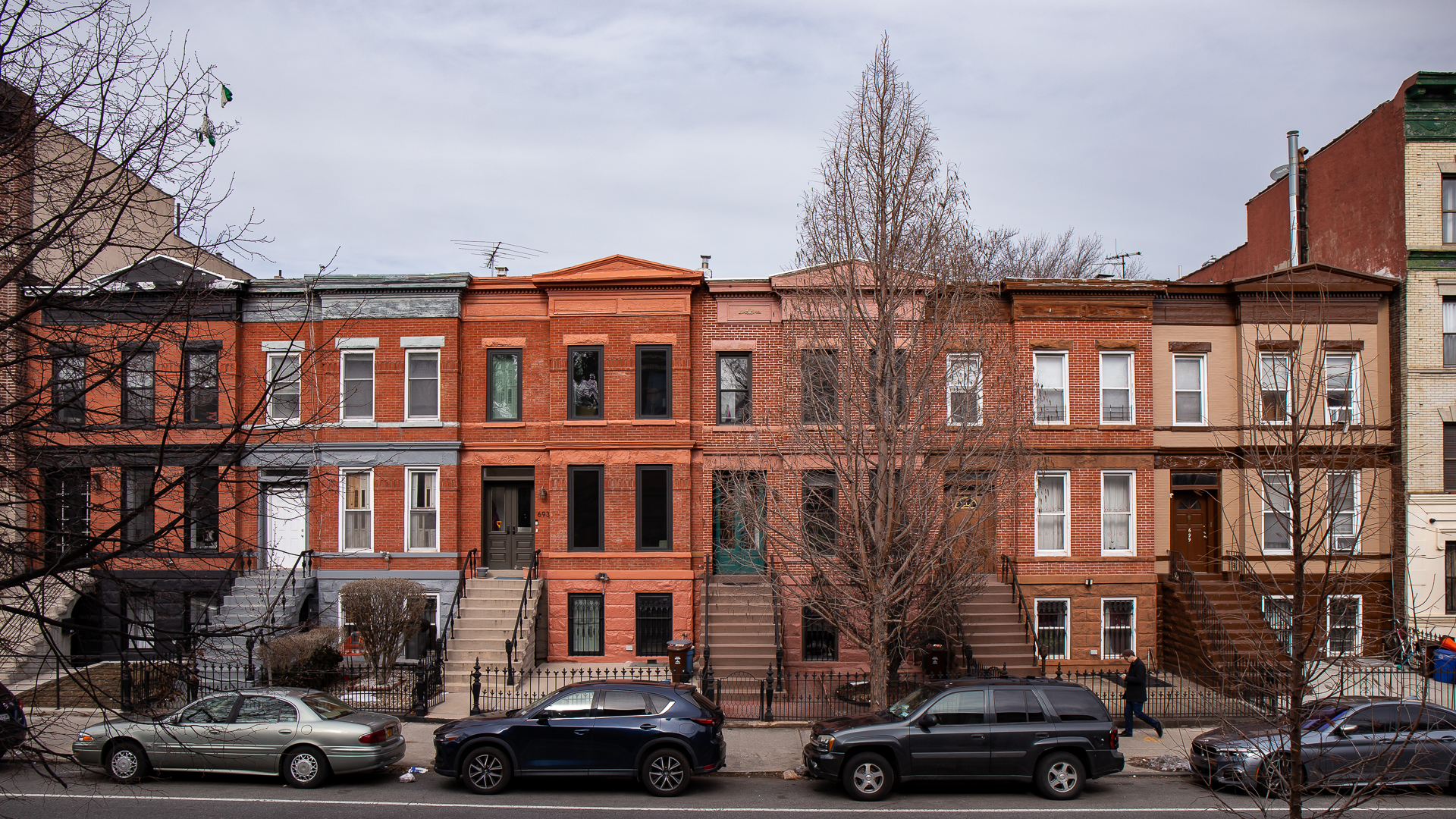

A Harlem homeowner with a brownstone worth nearly $3 million spent years living in a New York City homeless shelter after fraudsters stole her home through a deed theft scheme. This summer, a jury convicted the man responsible, finally delivering accountability.
But accountability after the fact is not the same as restoring what was lost. The case should force us to ask: what could have been done to protect her before she lost her home?
The case comes at a time when New York City is confronting an aging population experiencing housing instability and persistent racial disparities in housing. The New York City Mayor’s Office of Deed Theft Prevention reports that thousands of deed-theft complaints have been filed since 2014, primarily concentrated in Brooklyn and Queens. City officials have also said that Black homeowners and historically Black neighborhoods have been disproportionately targeted, particularly seniors and homeowners in distress.
These are separate challenges, but together they underscore the importance of protecting older homeowners and helping them remain secure in their homes and communities.
Deed theft is a real estate scam, a financial crime, and a property dispute. But when older adults are targeted because of age, isolation, disability, cognitive changes, or other vulnerabilities, it is also elder abuse. Its consequences can extend far beyond the loss of property. A stolen home can mean housing instability, displacement, and the loss of independence a person spent a lifetime building.
At Project Guardianship, we see the aftermath.
Approximately 18 percent of the people we serve own property. Among those clients, 41 percent have evidence of property loss or deed theft. These numbers reflect the particular population we serve, but they illustrate a broader problem: financial exploitation often comes to light only after an older adult is already in crisis and needs substantial intervention.
By then, the person has already been victimized. Our response should focus on protecting that person while preserving as much autonomy as possible.
Too often, guardianship enters the conversation at precisely this point. When a home has been fraudulently transferred, finances have been depleted, or exploitation has gone undetected, a guardian may be able to stabilize finances, investigate what happened, pursue legal remedies, and help protect housing. In our work, additional evidence of exploitation is often discovered after a guardian is appointed.
Guardianship can be an essential safeguard when a person cannot make or communicate decisions and no less restrictive alternative can adequately protect them. But the fact that guardianship can respond to exploitation should not be mistaken for evidence that more guardianship is the solution.
New York’s Article 81 guardianship law requires courts to consider whether a person’s needs can be met through less restrictive alternatives. That principle matters. Guardianship should be a carefully tailored intervention based on a person’s actual needs—not a default response to aging, vulnerability, or the fact that someone has been exploited.
The better question is how to intervene earlier.
Prevention can begin with planning for help before help is urgently needed. A durable power of attorney can allow an older adult to designate someone they trust to assist with financial affairs while they still have the capacity to make that choice. It can provide a way to manage bills, property expenses, or other financial responsibilities without requiring a court proceeding when circumstances change.
A power of attorney is not a guarantee against exploitation, however. The person given that authority must be chosen carefully, with appropriate safeguards and oversight. It is also not a complete answer to deed theft, and it is not consistently available or sufficient in every situation, but it deserves greater attention as a component of older-adult planning and care.
That planning should extend beyond legal documents. Older adults may need help paying bills, maintaining a building, arranging repairs, understanding financial documents, or navigating property ownership. They need stronger community connections and better access to financial and legal assistance. These are elder-care issues, but they are also financial-exploitation prevention.
New York is beginning to recognize the scale of the problem. In 2024, Attorney General Letitia James announced new protections that strengthened the state’s ability to investigate and prosecute deed theft and created additional tools to protect homeowners. More recently, the city established a dedicated Mayor’s Office of Deed Theft Prevention.
Those reforms matter. But stronger laws and prosecution are only part of the answer. By th time a prosecutor gets involved, someone’s home may already be at risk.
Prevention has to start earlier—with community support, accessible legal and financial assistance, thoughtful planning, and institutions equipped to recognize signs of exploitation.
Older adults need a continuum of support that helps them remain secure and engaged as they age. And when guardianship is necessary, it should be used carefully and tailored to the person’s needs.
If we wait until an older adult’s home has been stolen to ask how they should be protected, we have already waited too long.
Deed theft should be a wake-up call—not only to prosecute those who steal homes, but to build the systems of care, planning, and support that can help prevent exploitation in the first place.
Kimberly George is the president and CEO of Project Guardianship.
The post Opinion: Deed Theft Is a Wake-Up Call for Stronger Protections for Older Adults appeared first on City Limits.