ODC Summer Sampler’s ‘Notes of Disquiet’ fueled by invisible burdens, Armenian poetry
Beginning in late January, the Bay Area dance calendar grows so dense it’s physically impossible to see everything a danceaholic would like. By mid-May, however, there is barely enough keep one from being slightly peckish. Fortunately ODC’s Summer Sampler arrives July 30-August 2 to help stave off growling pangs.
The three works on the program include KT Nelson’s Nothing’s Gonna Make Sense (Reflections on Grief) which debuted last year as a way for the choreographer to grapple with the unexpected death of her husband. And Nelson is also actually depicted in another work.
Catherine Galasso, who has a long-time relationship with ODC, delivers her latest premiere Unreliable Narrator, in a form combining contemporary dance with documentary theater to examine the creative output and lives of ODC founders, Brenda Way, Kimi Okada, and Nelson. The work not only features interviews with them, but all three appear as dancers with the latest generation of company members.
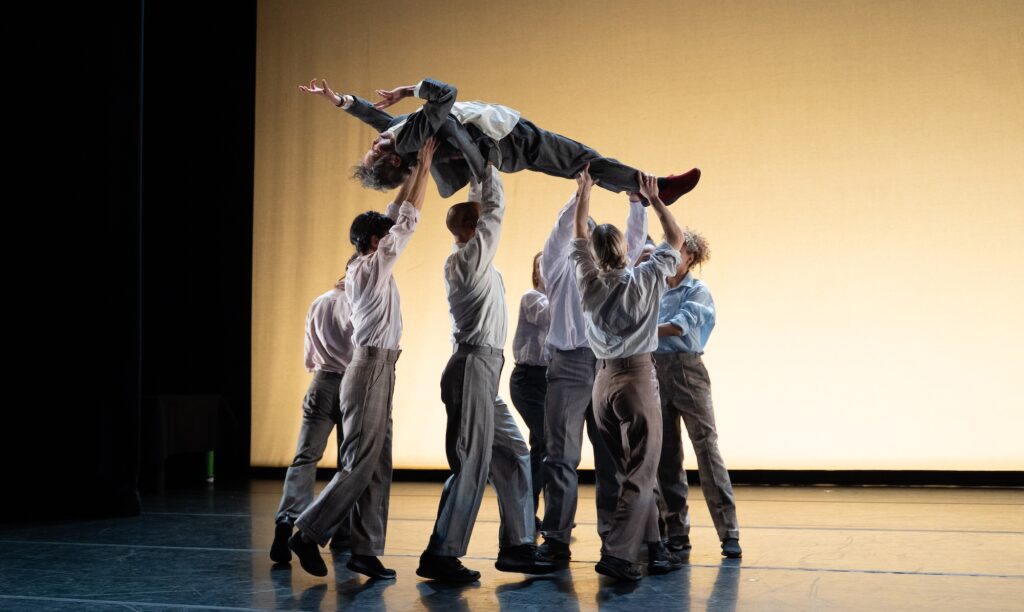
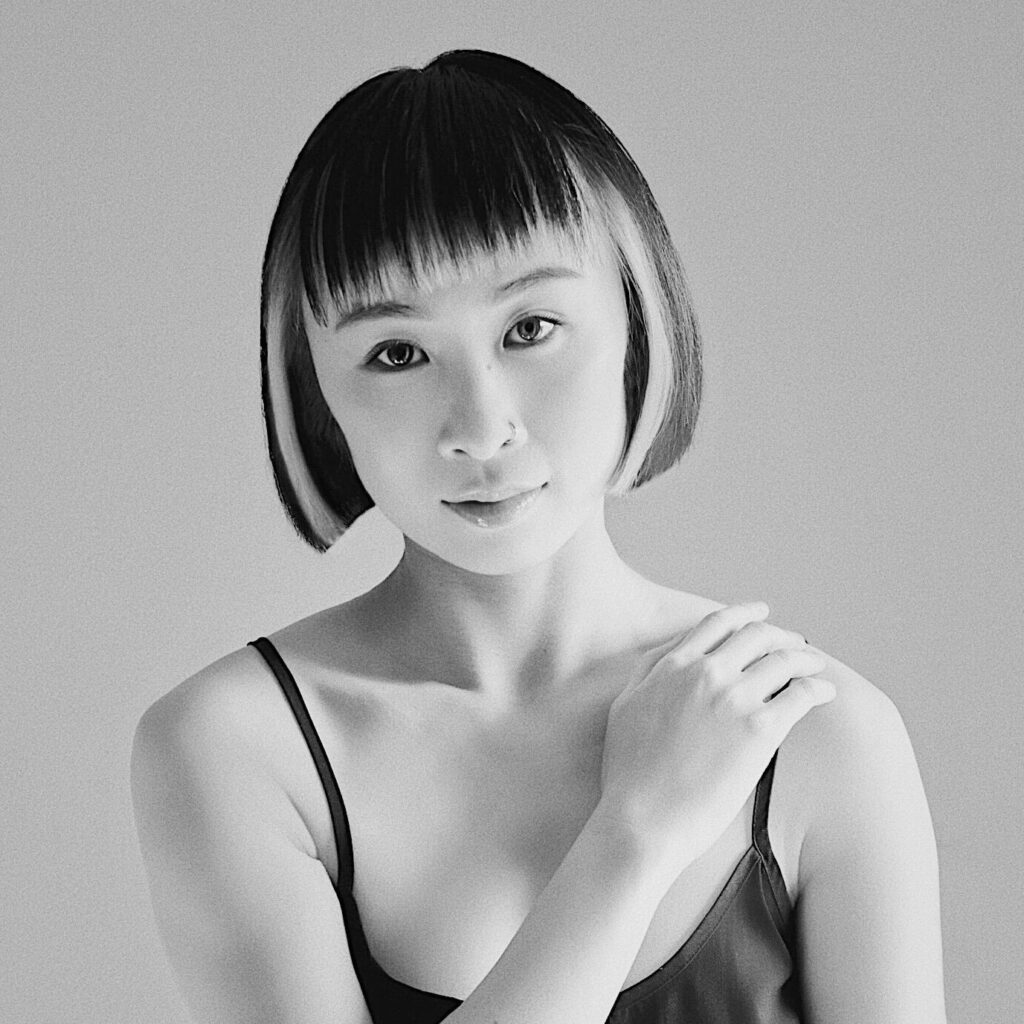
Last year Mia J. Chong was appointed ODC’s co-artistic director while continuing to run her own three-year-old company, EIGHT/MOVES. Now she is forming a collaboration with select dancers from both companies to premiere her most recent choreography, Notes Of Disquiet. The dancers from EIGHT/MOVES are Cora Cliburn, Kira Fargas, William Brewton Fowler Jr., and Colin Frederick. The ODC/Dance team includes Rachel Furst, Ja’Moon Jones, Joanne Kim, Jenna Marie, and Colton Wall.
Chong explains the process of how she made the decision of why and how to combine the performers. “I’ve always dreamed of having both companies collaborate because they’re the two homes of my artistic identity. ODC is the place where I really came up as an artist and was able to develop my perspective as a dancer and a choreographer.
“And EIGHT/MOVES is my baby, the thing that I created from the ground up. So while they have different and unique missions, I think there’s a lot of alignment in both spaces. The partnership has been really fulfilling for me to just see the exchange of artistic values taking place in the space.”
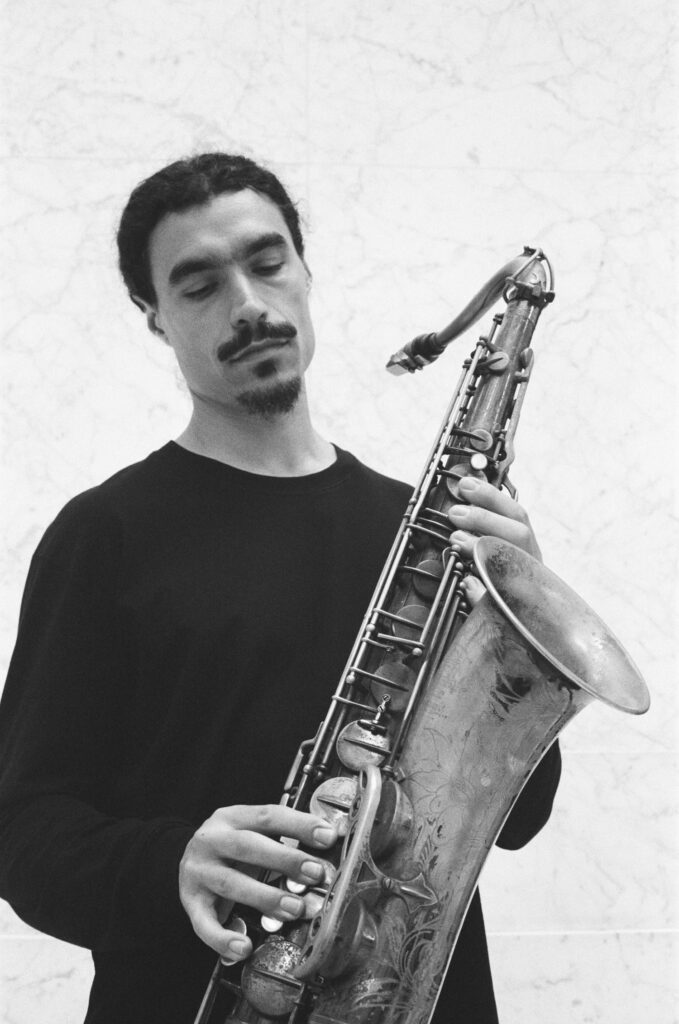
Part of developing a piece often involves looking for music to use to accompany it. In many cases, a choreographer chooses music to go with the dance, or sometimes commissions a score. Chong invited saxophonist-composer Raffi Garabedian to join the team in live performance, based on his work that she had discovered online, in spite of the fact that he hardly had any experience with dance.
“I was surprised Mia reached out to me. Apparently she was checking out my music, and I was thinking—what are you doing listening to my music?” Garabedian laughs. “She’s using music that I’ve written for albums. Then I got to record and compose some new music for this piece.
“More and more I’m realizing how involved I am in the performance aspect of it. Just learning entrance and exit cues, how I’m positioning my body and a lot of things that musicians don’t necessarily think about when performing. Finding the translations between choreography and composition and getting comfortable in a new space and with bringing my own voice into it musically.
“The dancers are also singing a bit as well, which they usually don’t get to do. [Other collaborators on the piece include vocal coach Tim Silva and scenic designer Chad Owens.] It feels like my voice is welcomed rather than having to go with the program.”
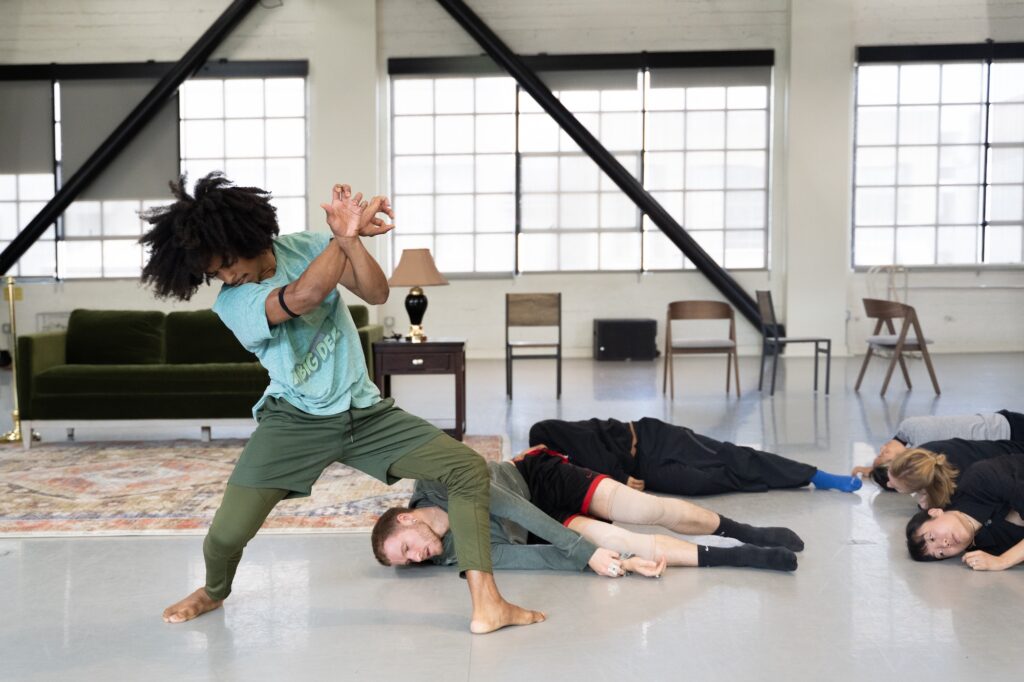
Garabedian says that the piece is a team effort. “There isn’t really a blueprint for what this piece is. We’re shaping it in the rehearsals, so you’re equal to everybody in the room. Looking over all the footage, and studying the choreography and the steps with the music, then starting to see certain steps line up perfectly in some musical spot. Taking note on being intentional and trying to recreate it.”
Another element that is important for Chong to explore (and also vital to me as a BIPOC/AAPI person) is “for so many of us, not even just Asian people, but people of all sorts of identities can relate to that feeling of having to hold in your response to someone else’s insensitivity. The thing that I was interested in with this piece when I came into the studio with the dancers, was sharing essays and poems—and actually some selections from a book that Raffi’s father wrote—that reflect on it.”
(Garabedian’s father was Armenian and had translated poems and stories that his mother had written about the Armenian genocide.)
“I was interested in exploring this idea of being othered, like the invisible burdens that people who have felt othered carry and how difficult it is to find outlets to release or express that. Sometimes there aren’t outlets to express it. That sits in your body and can eat away at you over time. I know that you and I can relate in a certain way to that theme, but in some way most people have experienced this to some degree. It’s both an extremely personal theme for me, but I also feel like there’s a relatability for all sorts of people.
“I do feel lucky to have like grown up in the Bay Area where things are so diverse and people have very open-minded inclusive ways of thinking. At the same time, having grown up here where there is such an amazing Asian American population, I still felt the desire to create a company like EIGHT/MOVES to provide more visibility and acknowledgement of AAPI and BIPOC artists.”
ODC/DANCE SUMMER SAMPLER July 30-August 2, ODC Theater, SF. More info here.
The post ODC Summer Sampler’s ‘Notes of Disquiet’ fueled by invisible burdens, Armenian poetry appeared first on 48 hills.