NYCHA Can Move Ahead With Chelsea Redevelopment, Court Decides
After a nearly four-month stall, plans to demolish and rebuild 2,000 public housing apartments in Manhattan’s Chelsea neighborhood are back on again.
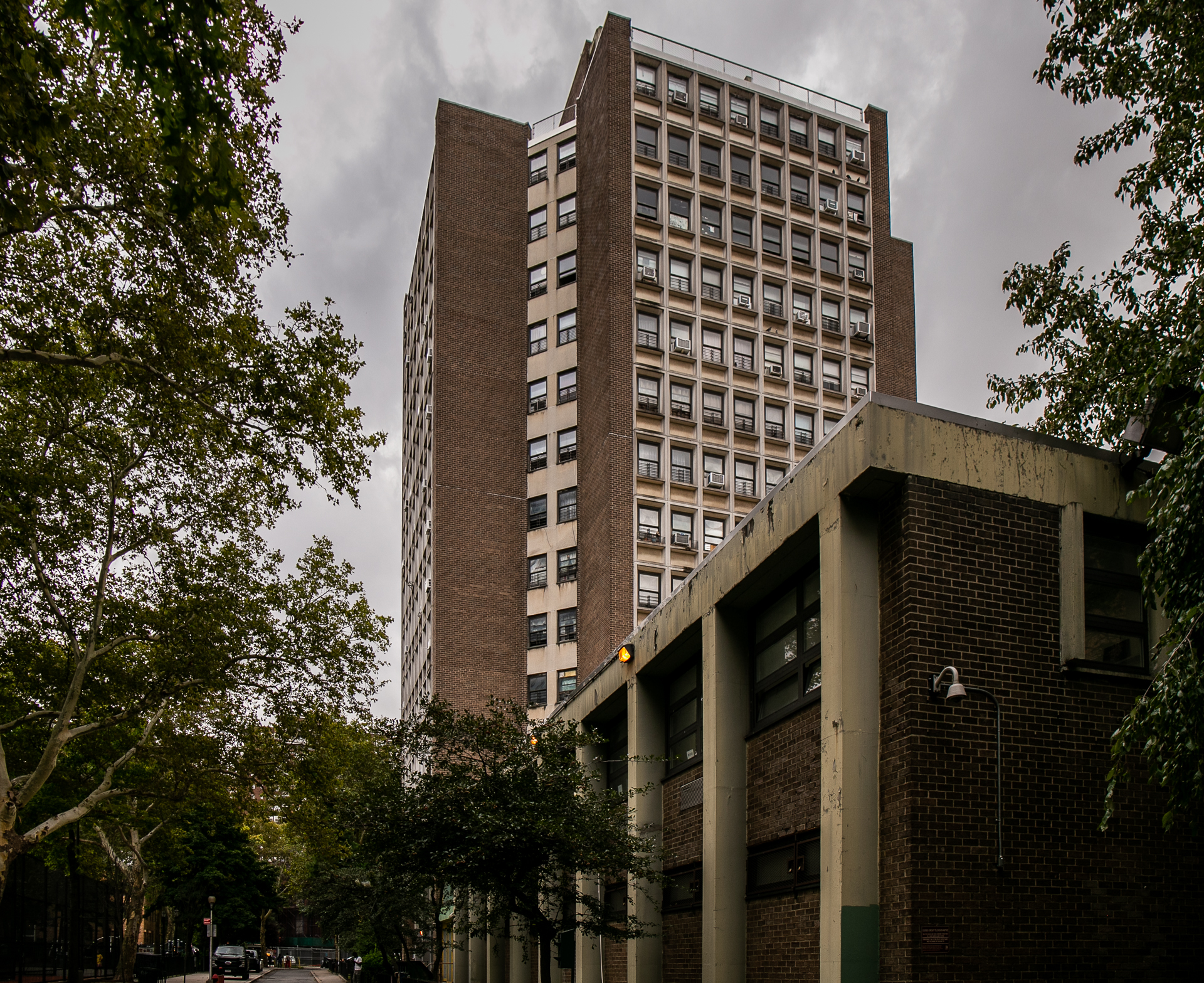
Plans to demolish and rebuild 2,000 public housing apartments in Manhattan’s Chelsea neighborhood are back on again, after a court lifted a nearly four-month long temporary restraining order Thursday.
The decision is the latest in a yearslong dispute over the project, in which the New York City Housing Authority (NYCHA) and Related Companies, the same developer behind Hudson Yards, plan to demolish the aging buildings that make up the Fulton and Elliott-Chelsea Houses and replace them with all-new apartments.
All residents have a right to one of the replacement units, officials say, and most will stay in their current homes while the new ones are built nearby. But the project also calls for a senior-only building to be demolished first—and all of its residents to temporarily relocate in the process, moves that have been a source of contention in an ongoing fight over the redevelopment plans.
The appellate court paused the project in February after some residents and petitioners—including former State Sen. Tom Duane—filed a lawsuit claiming it did not clear the usual city and land regulations required.
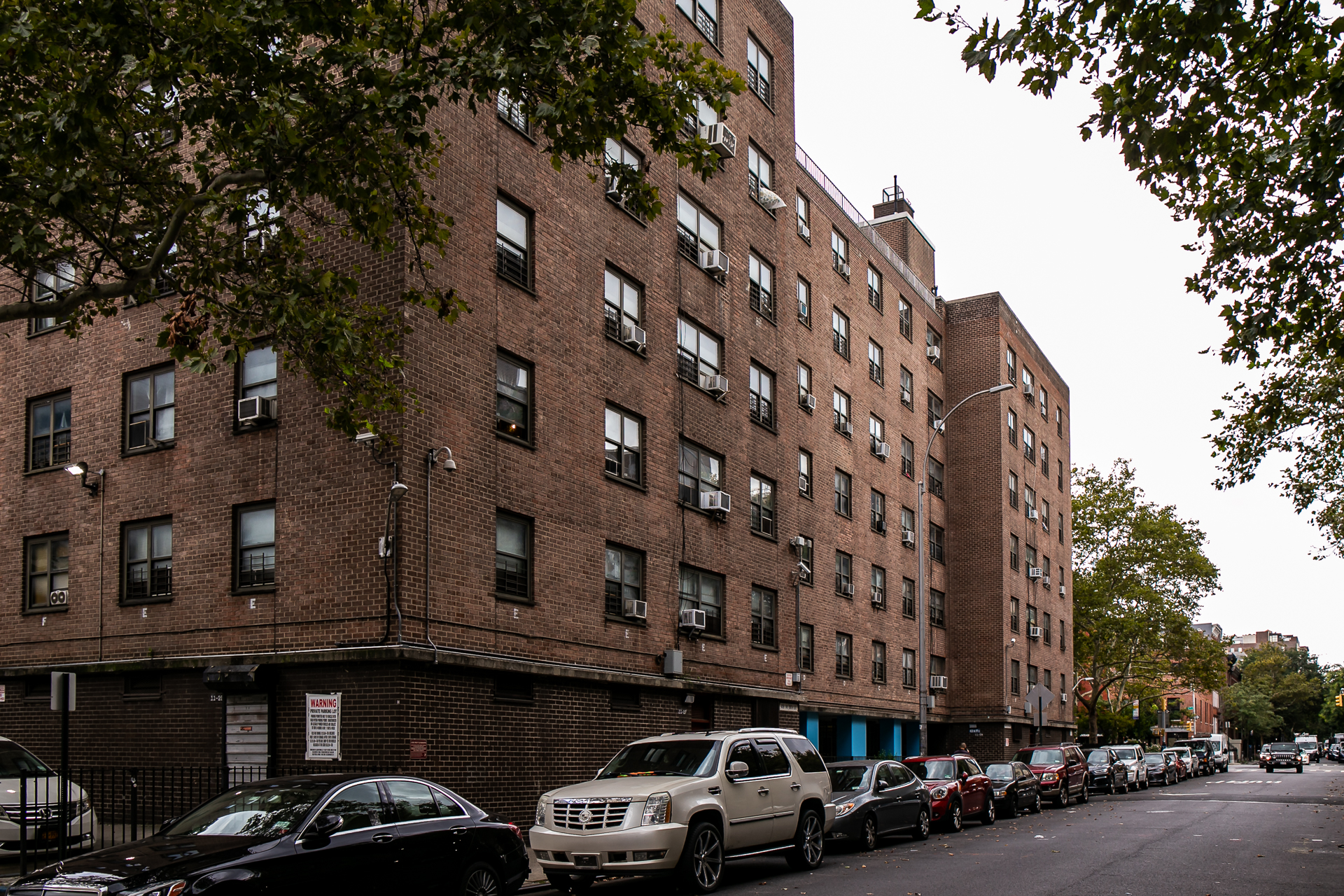
The court has now lifted that pause, citing in its decision that “while relocation may be inconvenient and difficult, particularly for seniors, petitioners have not demonstrated that it rises to the level of irreparable harm.”
“It is undisputed that the tenants have been guaranteed appropriate and accessible relocation apartments, units in the new buildings once complete, and packing and moving assistance,” the decision reads.
The redevelopment project at Fulton and Elliott-Chelsea Houses involves demolishing all 18 public housing buildings to replace them with six taller towers, all for public housing residents, while also constructing 2,500 market-rate and 1,000 affordable apartments.
Most of the new construction would be completed before the old buildings are demolished, which allows the majority of residents to remain in their units until their new apartments are move-in ready. The first replacement buildings are expected to be ready in 2028 and 2029, according to the plans.
But residents in two buildings, including a senior-only residence called Chelsea Addition, have been asked to leave their apartments and relocate temporarily to new ones nearby to make room for the construction.
As dozens of seniors refused to leave, their relocation became a hot button topic in the neighborhood’s congressional primary race, where candidates have had to grapple with temporary relocations on one hand, and the gravity of the aging buildings’ needs on the other.
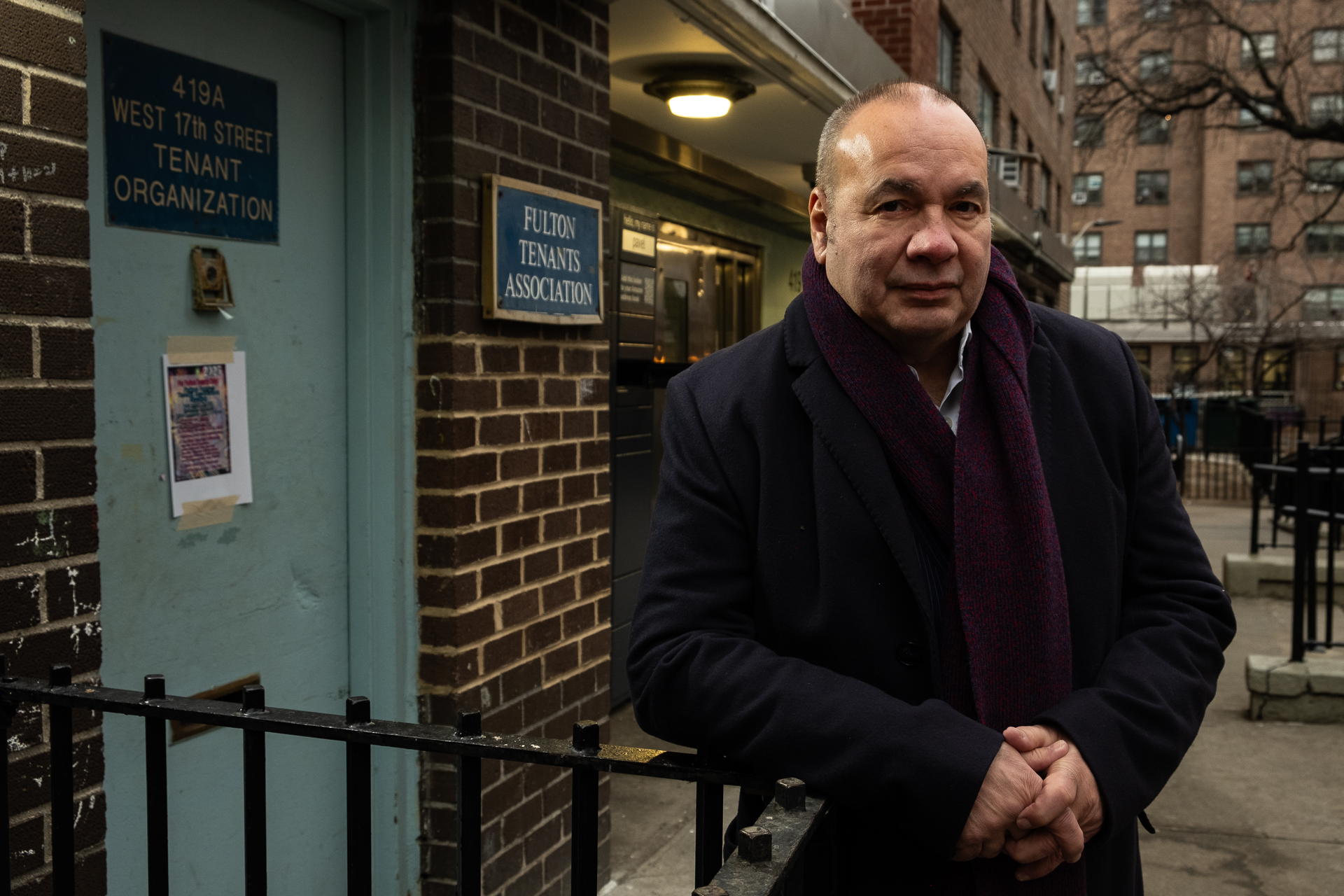
Miguel Acevedo, a 65-year-old resident of the Fulton Houses who’s lived there most of his life, told City Limits that for him, the court’s decision to lift the pause was “long-awaited.”
“The proposal that’s being placed here is probably the best thing that’s ever happened to public housing,” he said. “We know that the New York City Housing Authority doesn’t have the money to maintain these buildings, they’re in an $80 billion deficit. So why not bring in private developers to manage these buildings so they can maintain them correctly?”
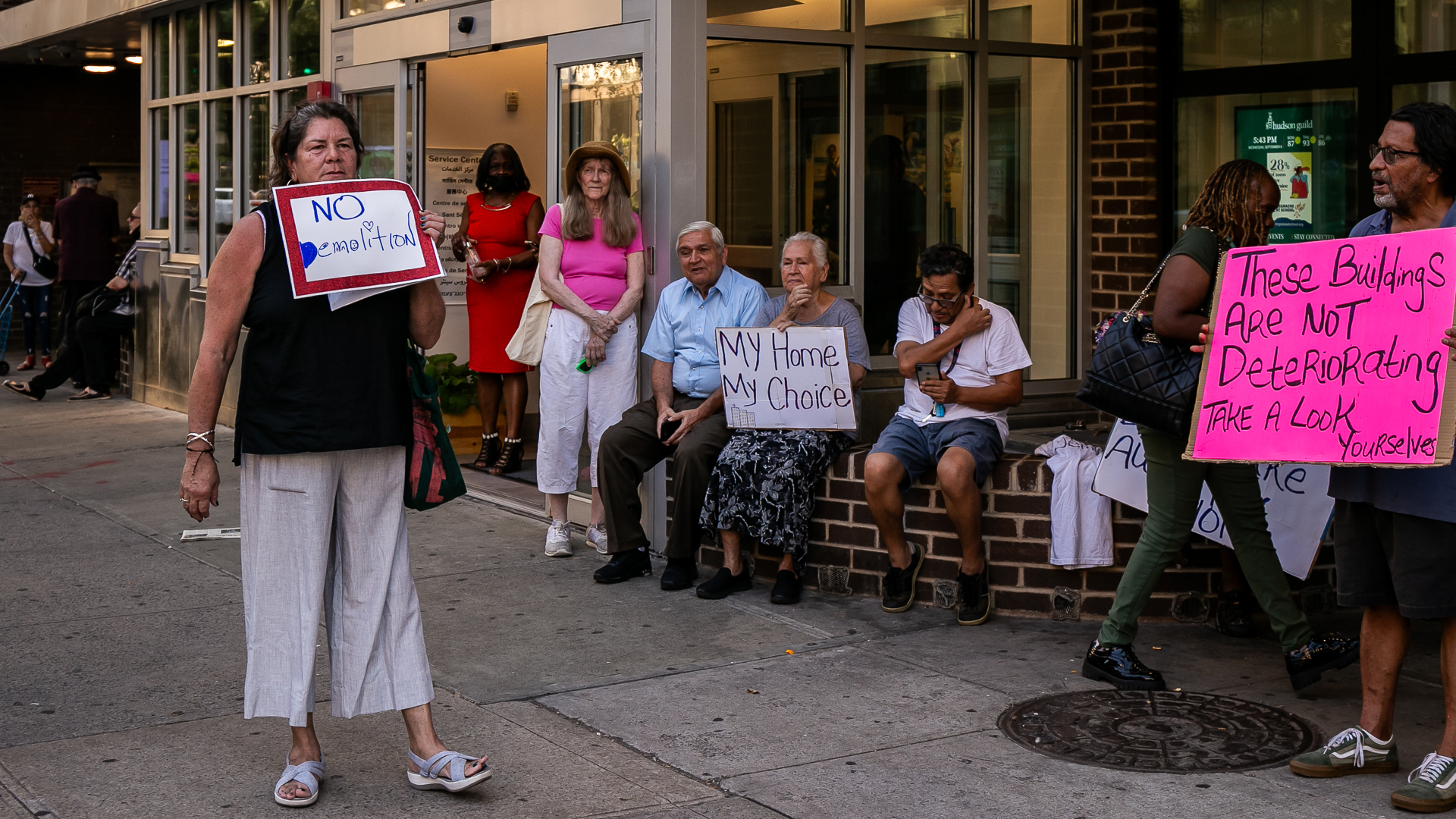
But others are resistant. A group of residents and community members formed a coalition in protest of the project. One of the members, Yu Zhen Story, a resident of the Chelsea Addition building who turns 80 years old this week, said in a statement that she and her elderly neighbors are stressed about the prospect of moving twice while construction unfolds.
“Some of my neighbors are older than 90,” she said in a statement released after the court’s ruling Thursday. “We want to find a place to rest for the end of our lives.”
Jane Rao, another member of the coalition and an Elliott-Chelsea Houses resident, said in a statement that she believes “privatization has more risks for us.” She also questioned why the buildings, which she thinks are in relatively good shape, should be demolished instead of renovated. “We need repairs and modernization, not demolition for profit,” she said.
In 2023, the city estimated that the Fulton and Elliott-Chelsea developments required over $927 million in repairs and renovations, according to NYCHA, and that full reconstruction would cost about the same as renovation. Questions have been raised about the data’s accuracy.
The debate in Chelsea is similar to one playing out at NYCHA campuses across the city, as the housing authority increasingly turns to Section 8 conversions and the involvement of private companies as a means to raise repair money, so far primarily through a program called Permanent Affordability Commitment Together, or PACT.
Residents who oppose that strategy are rallying for local and federal governments to instead invest adequately in the traditional Section 9 public housing program—something Congress has historically failed to do—and to keep the private sector out.
Acevedo believes it’s important that everyone forms their own opinion based on accurate information about what the partnership entails, rather than misinformation, rumors or doubts.
“Their rights are going to be the same when we convert,” he said.
NYCHA and its private partner will now begin re-engaging residents who remain in the buildings, and work with them to sign new leases and navigate the relocation process, according to a NYCHA spokesperson, who also said that once the two buildings are vacant, demolition will begin.
To reach the reporter behind this story, contact Sunny@citylimits.org. To reach the editor, contact Jeanmarie@citylimits.org
Want to republish this story? Find City Limits’ reprint policy here.
The post NYCHA Can Move Ahead With Chelsea Redevelopment, Court Decides appeared first on City Limits.