New Zealand reports first H5N1 bird flu case
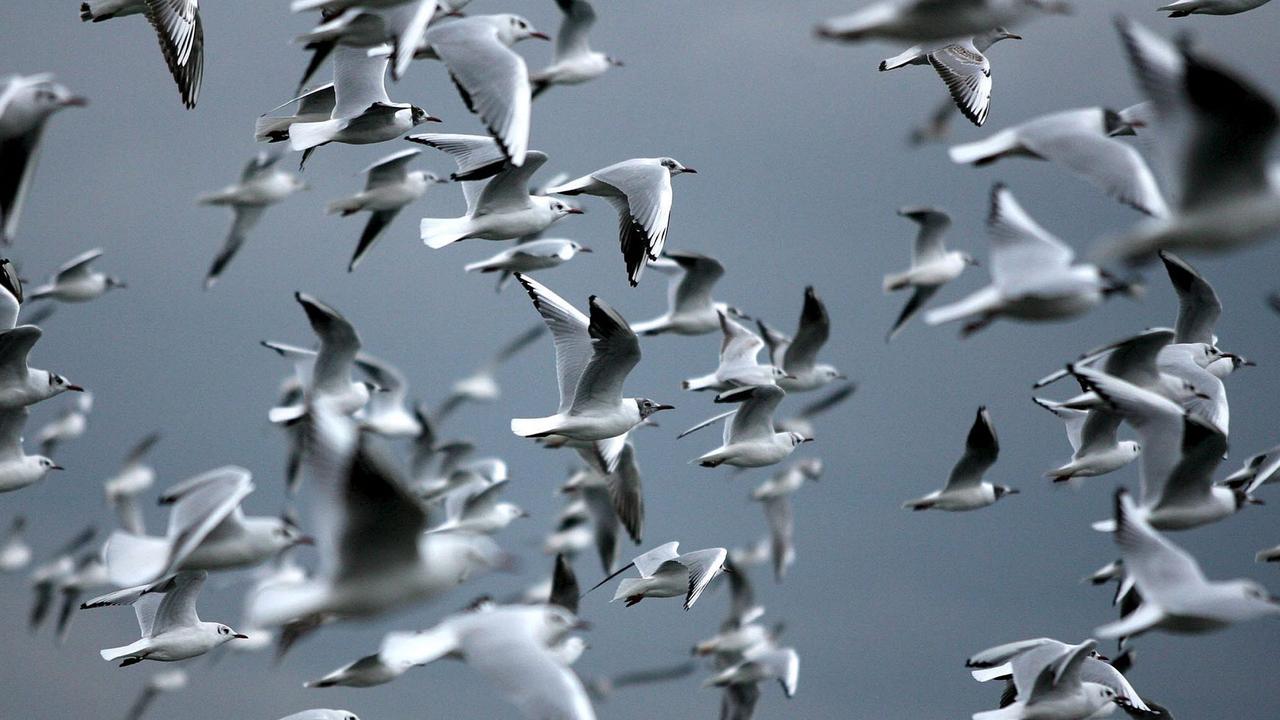
New Zealand has reported its first case of the deadly H5N1 bird flu after a migratory seabird found on a beach near Wellington tested positive.
The case in a brown skua seabird comes after the virus was detected in June in Australia, the last continent to report the virus.
The virulent H5 strain has spread through wild bird and mammal populations since 2021, killing millions and infecting poultry and dairy farms as well as some farm workers.
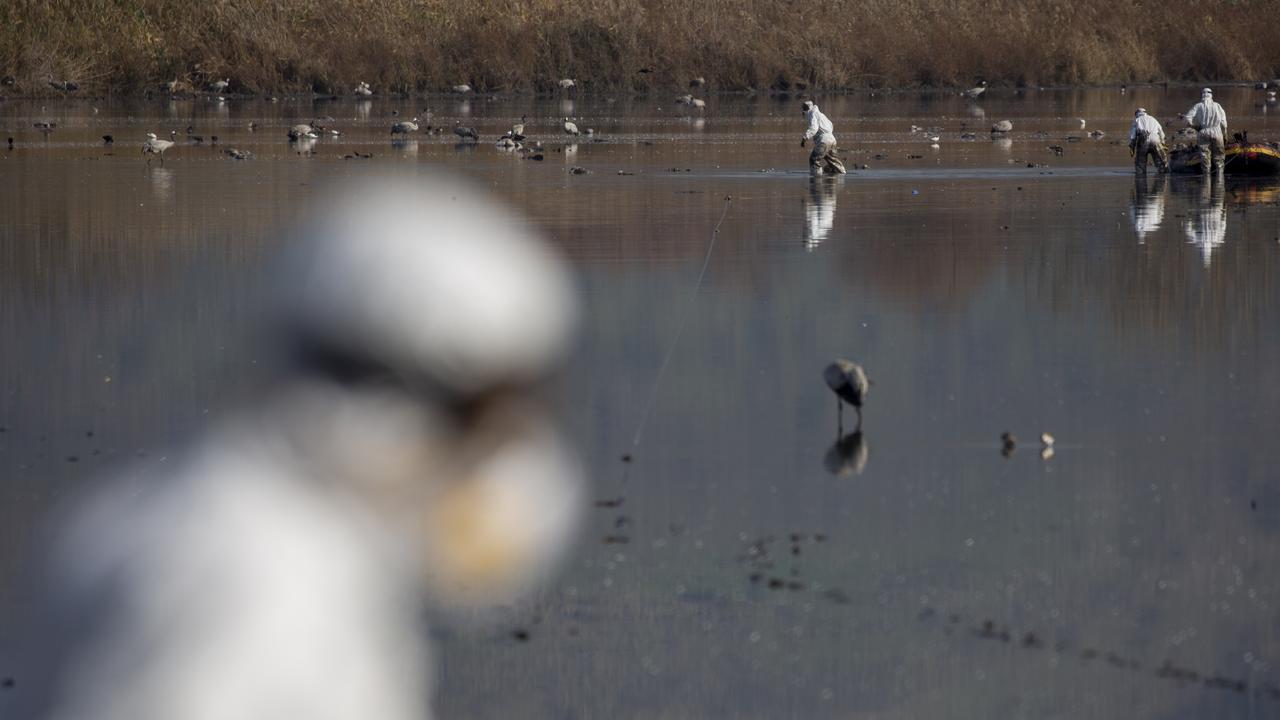
“There is no evidence of any mass mortality in wildlife or transmission between wild birds in New Zealand. There has been no detection in poultry,” Biosecurity Minister Andrew Hoggard said in a statement on Wednesday.
Hoggard said New Zealand might see a similar pattern to cases reported in Australia, where there have been 14 confirmed or presumed positive detections of H5 bird flu as of Wednesday.
New Zealand has been preparing for the arrival of H5N1, working with the poultry industry to develop biosecurity and resilience plans.
New Zealand’s wild birds are unusually vulnerable because they evolved for millions of years without native land mammals, leaving many species flightless, ground-nesting and poorly equipped to defend themselves against predators.
That isolation made them unique but also left them highly exposed to habitat loss and introduced pests such as stoats, rats and feral cats.
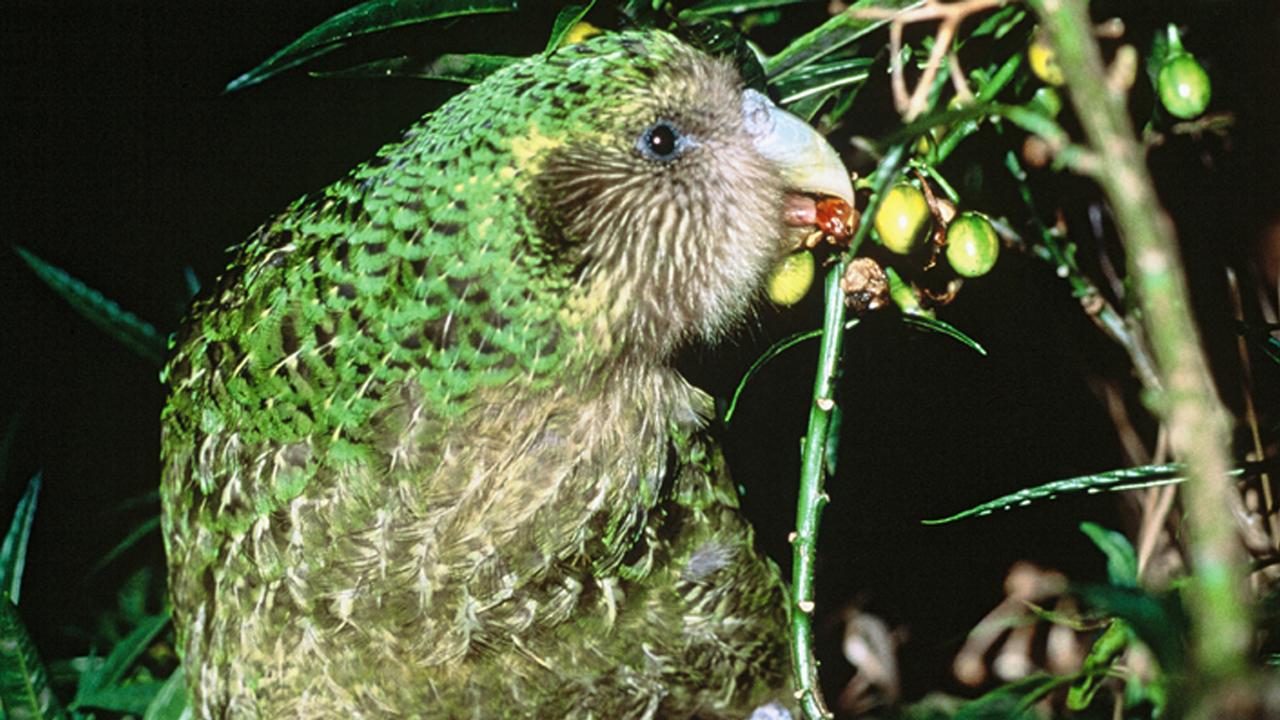
Many species are already endangered, putting them at great risk of extinction if the virus spreads rapidly.
Health officials have started a vaccination program for 300 core breeding birds from five of the country’s most endangered species, including flightless takahe and kakapo.
Brett Gartrell, professor of wildlife health at Massey University, told Reuters he was worried that bird flu could push some of the country’s critically endangered birds to extinction.
“We are incredibly worried about New Zealand’s biodiversity because our birds have never had to deal with anything like this before,” Gartrell said.
“If it spreads quickly in New Zealand, we could be in trouble … those core group of birds that (officials) want to protect with the vaccination won’t be fully immune if it spreads too quickly.”