LA City Council shelves ballot measure to cancel the ‘mansion tax’ on new apartments
Despite multiple efforts to put reforms on the November ballot, Los Angeles voters will not get to decide whether to roll back the city’s controversial “mansion tax” on apartment buildings.
The L.A. City Council voted 14-0 to shelve a proposed ballot measure on Wednesday, the final day to send proposals to the city’s voters in the upcoming general election.
The decision comes almost a week after a separate, statewide measure seeking to kill the tax — and other “mansion taxes” across California — was pulled from the November ballot.
Advocates for reform said the council is failing to confront declines in new housing development, which they blame on Measure ULA.
“The City Council unfortunately is still not living in reality with respect to what ULA has done to our apartment and commercial building market,” said Mott Smith, a USC adjunct professor of real estate and a board member of the Council of Infill Builders. “They’re kind of living in denial.”
Supporters of the tax said keeping new exemptions for apartment developers off the ballot was the right decision.
Joe Donlin, director of the United to House L.A. coalition, said L.A. voters approved the tax in 2022 because they wanted to raise money for affordable housing and tenant aid programs.
“Voters should feel confident that what they passed is working,” Donlin said. “Of course there are big real estate interests who would prefer not to pay a real estate transfer tax. They’re going to continue to try to convince the public that they should get a tax break.”
The measure that didn’t make it to the ballot
The City Council’s sidelined ballot measure would have asked L.A. voters to cancel the tax on new apartment buildings within the first 10 years of their construction.
Reform proponents with Mend It, Don’t End It — a coalition of business leaders, affordable housing developers and labor groups — said in a letter to the council ahead of Wednesday’s meeting, “If adopted by voters, these amendments would help build more housing and ensure Measure ULA is delivering on its promise to increase affordability and reduce homelessness.”
Councilmember Katy Yaroslavsky, who proposed putting the 10-year exemption on the ballot, along with Councilmember Tim McOsker, chided her colleagues for letting the measure die.
“If we think the fight is over, we’re kidding ourselves,” Yaroslavsky said. “The pressure behind ULA reform is not going to go away, because the valid concerns from people who build housing are not going away. We will keep finding ourselves back here if we don’t show courage, get ahead of it and make a reform we and housing builders can live with.”
A recent analysis from the L.A. Housing Department concluded the 10-year exemption would have made only minimal changes to the city’s housing landscape. City housing officials estimated the exemption would have reduced Measure ULA revenue by about 5% while boosting new apartment development by about 5%, or around 330 units per year.
Why a ‘mansion tax’ applies to apartments
The council’s decision to keep changes off the ballot comes after years of heated debate about Measure ULA’s impact on the L.A. real estate market.
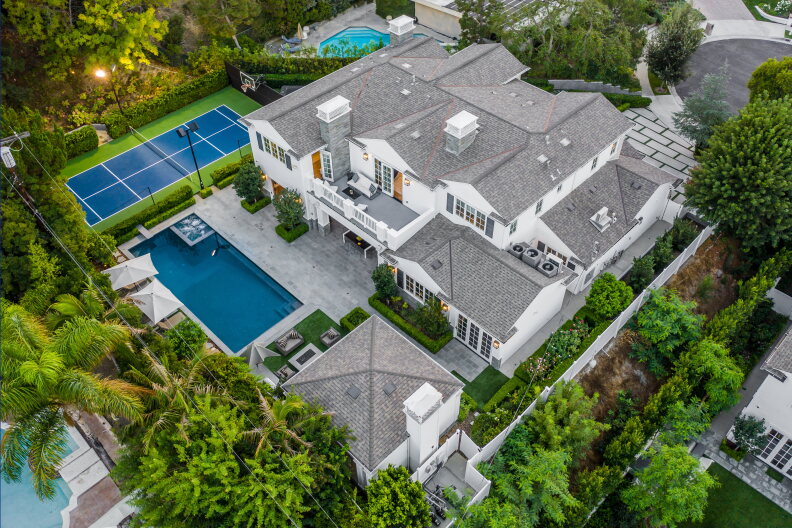
It’s known as the “mansion tax” because it applies to sales of single-family homes priced at $5.3 million or more. The tax rate starts at 4% and rises to 5.5% on properties selling for $10.6 million or more.
However, critics say the “mansion tax” moniker was always misleading, because it also applies to sales of industrial and commercial properties, including apartment buildings.
Supporters of the tax have long said they oppose sending the policy back to voters. They endorsed the decision of an earlier city council committee, which voted against putting changes on the ballot.
However, L.A. voters will see a separate, narrowly tailored “mansion tax” measure on the November ballot. The council voted 13-1 to ask voters to cancel the tax on Pacific Palisades homeowners who sell their properties within five years of the Palisades Fire.
Councilmember Traci Park, who represents the Palisades, said exempting fire victims is the right thing to do.
“They’re not selling because they want to,” she said. “They’re selling because they have already lost everything and there’s nothing left. Putting this tax on these folks who are trying to recover and reckoning with the fact that some of them just aren’t coming home is unspeakably cruel.”
The fight is over for now, but maybe not for long
Since taking effect in April 2023, the tax has raised more than $1.2 billion for affordable housing construction and programs aimed at helping struggling tenants stay housed. Some of that money has been held up due to strict limits on how funding can be spent, as well as the L.A. City Attorney’s ongoing opposition to tenant aid funding plans.
Economists have published studies concluding the tax has driven down new housing development relative to other parts of L.A. County. A recent RAND study also found the tax has cut into revenue raised by other local property taxes and development fees, reducing funding for schools, parks and other government services by about $452 million.
Meanwhile, Measure ULA supporters dispute conclusions about the tax slowing down housing growth. They say hundreds of affordable apartments have already opened or begun construction, thousands more are set to be built or preserved, and tenants have received tens of millions of dollars in rent relief and income support.
Previous efforts to lower or eliminate the tax on new apartment buildings have all stalled. The most dramatic development came last week, when last-minute negotiations in the California legislature convinced an anti-tax group to pull a statewide November ballot measure that would have asked voters to kill Measure ULA and “mansion taxes” in other parts of the state.
That Sacramento deal did not include cuts to L.A.’s “mansion tax,” as many in the real estate industry were hoping to see. Instead, state lawmakers agreed to put a separate measure on the November ballot, Proposition 43, which will ask Californians to make it harder to pass new special taxes by increasing the voter approval threshold to two-thirds, up from a simple majority.
Close to 58% of L.A. voters approved Measure ULA in November 2022, when it first appeared on the ballot. Though efforts to eliminate or scale back the tax via the November ballot are now officially dead, Mott Smith said future ballot fights remain likely.
“Already, everybody is gearing up for the 2028 election,” Smith said. “We’re going to be living with another two years of pain in the real estate market, and Los Angeles will continue to lag behind the rest of the country and the rest of the state in terms of housing production.”