Lincoln Pool green mess reflects Minnesota’s own work restoring tainted waters
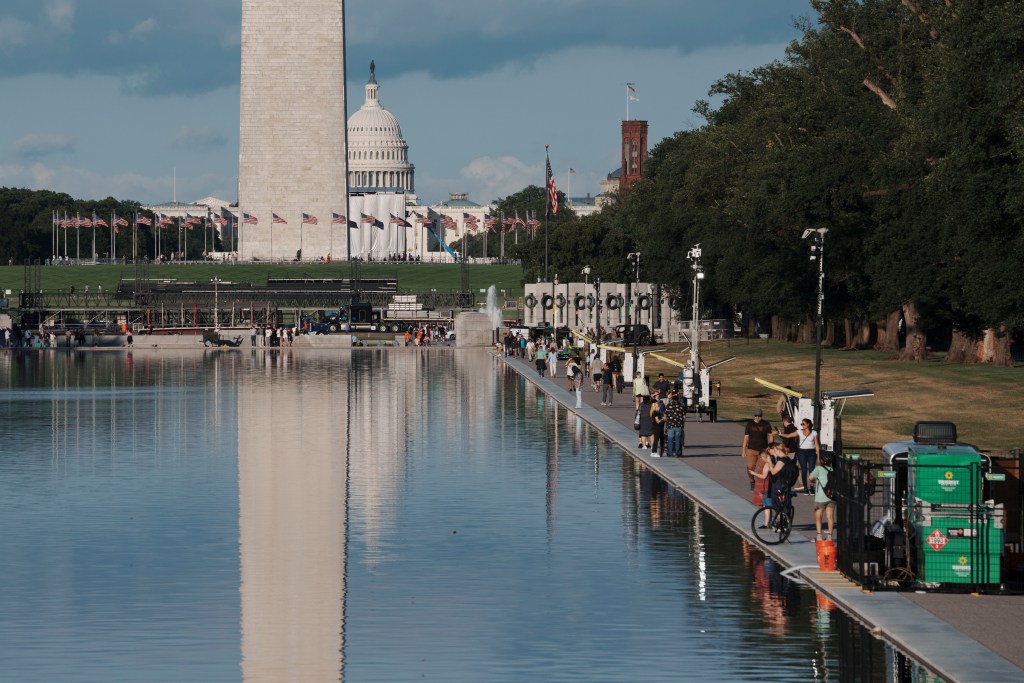
While President Trump has his hands full with the iconic Lincoln Memorial Reflecting Pool and its blooming algae, Minnesota regulators have a big job of their own monitoring pollution in the waters spread across the Land of 10,000 Lakes.
Every two years, under the federal Clean Water Act, states must submit a list of waters that fail to meet water-quality standards. A 2026 draft list of such waters in Minnesota, available on the Minnesota Pollution Control Agency (MPCA) website, was recently opened for a public review and comment period, which will run through July 22.
Impaired water results from high levels of sediment, bacteria and nutrients like phosphorus and nitrogen that trigger algae growth.
Related: Steve Sack on the Reflecting Pool
The excessive algae in the reflecting pool in Washington, on the cusp of events marking the nation’s 250th anniversary, is being attributed to water used from the Potomac River, the shallow depth of the pool (1.5 feet-2.5 feet) and increased heat arising from the blue-painted bottom.
Here’s what to know about Minnesota’s troubled waters:
The extent of the problem: Minnesota’s 2026 impaired list contains 2,979 individual water bodies – lakes, streams, rivers and wetlands – with a total of 6,410 impairments (some have more than one). Impaired aquatic life – fish, macroinvertebrates – account for the most impairments at 32%, followed by mercury at 27% and bacteria at 15%.
What’s being done?: The list proposes the removal of impairments from 45 bodies of water, which would be “the most removals in a two-year cycle since the state began the program in 1992,” according to an MPCA news release. While the agency is adding 46 impairments to the list, more than 100 have been removed from it.
Related: Task force wades into the complexity of water stewardship in the Land of 10,000 Lakes
Initially, the MPCA’s studies and restoration efforts addressed individual water bodies like lakes and stream sections. In 2007, it began using the more holistic “watershed approach.” In 80 major watersheds, the MPCA works with other state agencies and local partners to identify water restoration and protection needs.
One water body that was removed from the impaired list after years of restoration efforts, as an example, is Riley Lake, which straddles the border between Chanhassen and Eden Prairie.
“We began the process with the University of Minnesota in which we studied the migratory and reproductive patterns of common carp,” Terry Jeffery, administrator of Riley Purgatory Bluff Creek Watershed District, wrote in an email.
The watershed district then reduced the carp population to minimize its impact on vegetation and water quality, removed excessive vegetation like Eurasian water milfoil and curly leaf pondweed, and then applied alum, which prevents phosphorous from fueling algae growth.
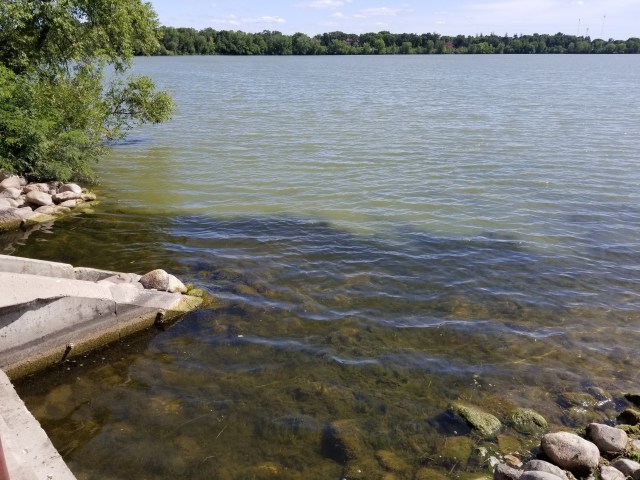
Pollution levels: Total Maximum Daily Load (TMDL) is a clunky bureaucratic term for the amount of various pollutants a water body can absorb and still meet water quality standards. The two-year update is commonly known as the “TMDL list.” Subsequent work to address impairments in lakes, streams and rivers on the list are “TMDL projects.”
Minnesota has completed a total of 205 TMDL projects that have been approved by the U.S. Environmental Protection Agency. The state’s work to protect and improve water quality is covered in a 2026 report to Congress.
The public’s role: The MPCA will be holding a series of virtual public meetings to discuss the draft 2026 impaired waters list. The first meeting, held June 23, focused on the Upper Mississippi River region, including the watersheds of Leech Lake River, Pine River, Long Prairie River, Redeye River and South Fork Crow River. Subsequent meetings were scheduled for June 25 and 30 and July 2, 8, 9 and 14.
How it’s funded: Minnesota is somewhat unique among the states in that it provides significant funds for water quality work from its Clean Water Fund. In 2008, Minnesota voters approved the Clean Water, Land and Legacy Amendment, establishing a 0.375% sales tax from 2009 to 2034. For the 2024-2025 biennium, the Legislature appropriated $318 million from the Clean Water Fund to water resource activities, including $48 million to the MPCA for water quality protection.
The post Lincoln Pool green mess reflects Minnesota’s own work restoring tainted waters appeared first on MinnPost.