Jonathan Gold was LA. ‘City of Gold’ director on what he’d write now
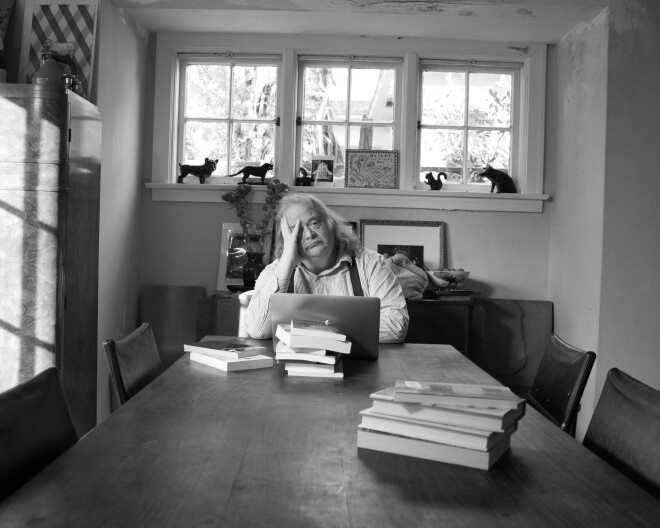
It’s been eight years since Jonathan Gold died, 10 years since City of Gold was released in theaters, and nearly two decades since the he became the first food critic to win a Pulitzer Prize for criticism.
“Since he died, there have been times when major things have happened either globally or to our city — the pandemic, ICE raids, the L.A. fires,” Laura Gabbert, who directed City of Gold, said.
“The first thing I always think of is, ‘How would Jonathan be writing about this?’ Because you know he would, and I miss his voice,” she said.
Gabbert got to know Gold’s voice well. She began reading Gold’s columns about food and restaurants in the LA Weekly in the 1990s when she moved here.
“It changed how I explored the city. I saw it in a whole new light through his writing,” she said.
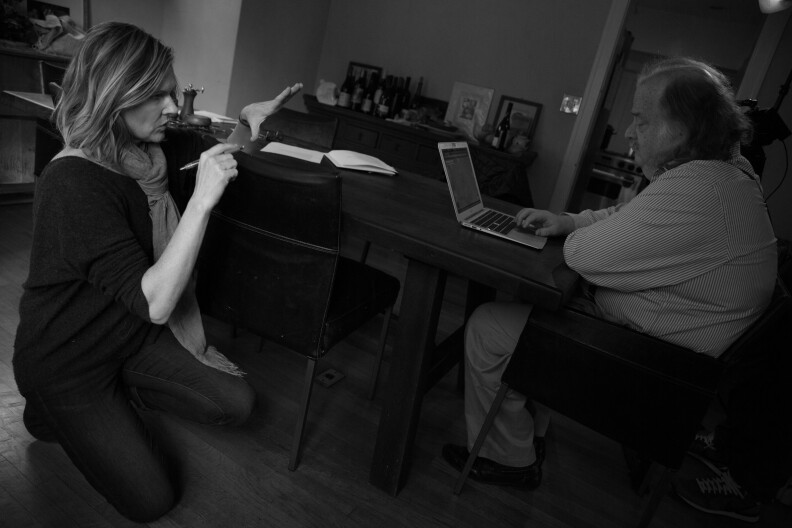
Years later, Gabbert’s and Gold’s kids attended the same L.A. school and she’d see him a few times a week. She is a documentary filmmaker whose films take on social issues such as aging, the environment, and AIDS. She pitched a documentary.
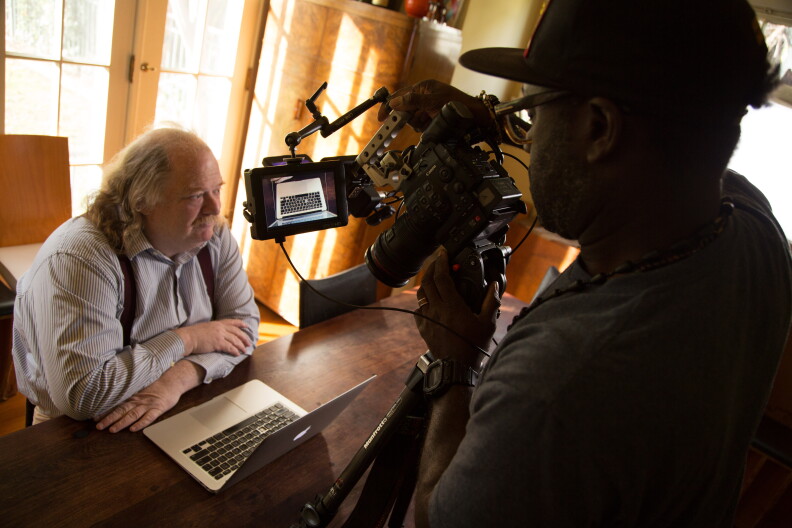
“He said no to me three different times,” she said.
Gabbert refined her pitch. She said she wanted to make a film about L.A. through his eyes. He said yes. City of Gold premiered at the Sundance Film Festival in 2015 and was released in theaters the year after. It remains an essential document to understand the people and circumstances that contributed to L.A.’s current rich food scene.
He transformed food writing
Gold was born and raised in L.A. The film includes Gold’s descriptions of the L.A. Jewish communities he grew up in, a UCLA commencement speech after his Pulitzer win during which he describes himself as a failed cellist, and interviews with the immigrant founders of L.A. restaurants such as Meals by Genet and Guelaguetza.
“I think that they felt seen and felt acknowledged and felt that their food was important,” Gabbert said of those restaurant owners.
Gold devoted much of his food writing to giving context to what is on the plate: where did the people who made the food grow up, where their recipes came from, how the location of their restaurants impacted the dishes?
“I don’t think it’s hyperbole to say that Jonathan fundamentally changed food writing,” Gabbert said.
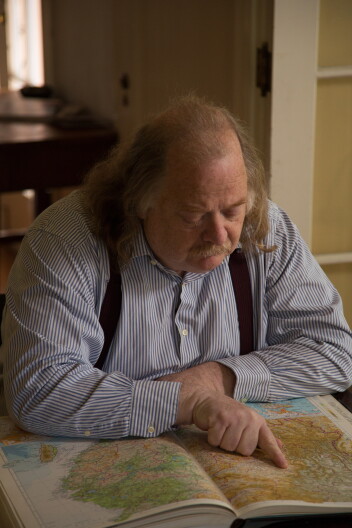
City of Gold explains that Gold mastered a style of writing in which he brought the reader in by speaking directly to them, as in this 2016 review of a Koreatown restaurant: “When you first sip sullungtang, you may recoil at its blandness until somebody remembers to tell you that you are supposed to add sea salt and chopped scallions from canisters on the table,” he wrote.
“He democratized it in many ways long before Anthony Bourdain and all the Netflix food TV shows and long, long time before all the influencers out there,” she said.
Gabbert said Gold’s writing taught people to be more adventurous, to have more empathy, to go out and explore L.A. outside of their comfort zones — all traits we could use a lot more of today.