How The Federal ROAD Act Will (or Won’t) Affect NYC, And What Else Happened This Week in Housing
The federal government passed its first housing bill in decades, finally taking up some of the solutions already tested in New York City. But don’t expect a big impact on affordability anytime soon.
Congress is waking up to the fact that there’s a housing crisis.
Lawmakers in Washington passed their first piece of housing legislation in a decade, which took effect earlier this week—without the president’s signature.
As New Yorkers know all too well, the cost of housing is reaching new highs in big cities. The new bill looks to encourage new development and make it slightly easier for some people to use public housing assistance, while also allowing more conversions of public housing to private management.
But housing policy is largely hyperlocal. Zoning, permitting, and other decisions that impact what gets built, and where, are often in the hands of city lawmakers.
Now Congress is hoping to encourage some of the strategies that have become more popular in New York in recent years: loosening zoning restrictions and subsidizing the construction of new affordable housing.
But don’t expect the 21st Century Road to Housing Act to translate into savings for New Yorkers anytime soon. The reforms are modest and may take a few years to kick in, experts warned.
“I think it’s exciting that there is interest,” said Yonah Freemark, a principal research associate at the Urban Institute. “Realistically, there’s a problem with over-enthusiasm in some ways from the federal government about what it has done here. It’s not as big of a change.”
Here are a few things the law includes:
- It increases the cap on the number of public housing properties that the federal government can convert to Section 8 vouchers. But it’s not clear yet how that will affect New York City, where this controversial tool is called PACT. The city has already converted 37,000 units and the mayor’s housing plan puts thousands more in the pipeline.
- The bill eliminates some duplicative inspections for Section 8 vouchers, which may save participants and landlords time and money when they’re using vouchers in new apartments.
- The bill also makes it easier to use some federal funding sources for new housing construction—HOME and CDBG funds. That money could help the city’s Department of Housing Preservation and Development hit Mayor Zohran Mamdani’s goal of building 200,000 units of affordable housing over the next 10 years.
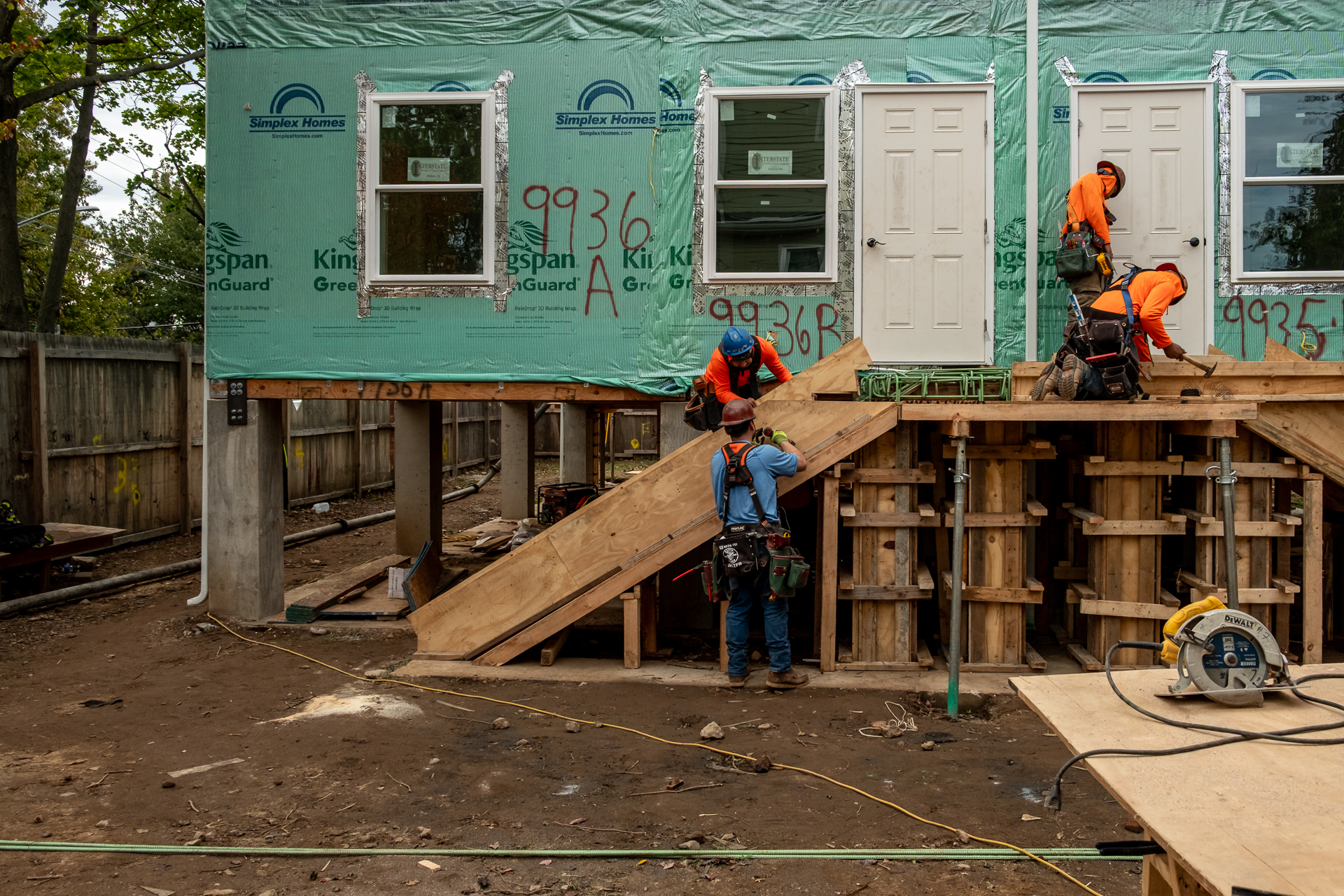
- It encourages the use of manufactured homes, which have limited use in New York City, but have been used in some of the outer boroughs. Those changes could take a few years to take effect, experts say.
- It restricts the ability of investors to buy single family homes, a practice that was not all that common in the city, but was a strategy used by at least one investor group looking to rent Brooklyn brownstones.
Here’s what else happened in housing this week—
ICYMI, from City Limits:
- The Mamdani administration released a plan that officials say will address the most common issues facing tenants, crafted based on feedback officials heard during the mayor’s “Rental Ripoff” hearings this spring.
- The city’s latest housing vs. parking battle is playing out at an East Village Mitchell-Lama co-op, where the board is considering the sale to raise money for their 60-year-old buildings. Supporters say it could be a sign of things to come for affordable housing that needs preservation funds.
- New York State’s Department of Housing and Community Renewal opened the waitlist for more than two dozen Project-Based Section 8 affordable buildings in the city this week, and will take applications from eligible households until July 24.
- Plans to demolish and rebuild 2,000 public housing apartments in Manhattan’s Chelsea neighborhood are back on again, after a court lifted a nearly four-month long temporary restraining order.
ICYMI, from other local newsrooms:
- Staff at two of the city’s major legal services nonprofits went on strike this week over wages and benefits, which could disrupt access to representation for New Yorkers in criminal, family and housing courts, according to The City Reporter.
- The City Council approved the Monitor Point project, which is expected to build more than 1,300 apartments along the Brooklyn waterfront, Greenpointers reports.
- The engineering firm behind the office-to-housing conversion project that collapsed in Midtown last week says the developer failed to install reinforcing steel to support two of the building’s columns, according to Gothamist.
- What to know about the Upper East Side’s Legionella building list, via Patch.
- State Sen. Luis Sepúlveda told Hell Gate that he’ll continue to chair the Senate’s powerful Judiciary Committee, despite criticism about his side gig as a private housing court lawyer (where he’s missed court appearances for clients facing eviction, as City Limits previously reported, and got into a spat with a judge earlier this spring).
To reach the reporter behind this story, contact Patrick@citylimits.org. To reach the editor, contact Jeanmarie@citylimits.org
Want to republish this story? Find City Limits’ reprint policy here.
The post How The Federal ROAD Act Will (or Won’t) Affect NYC, And What Else Happened This Week in Housing appeared first on City Limits.