Hong Kong records second-rainiest July, with double the average rainfall and 20 amber rainstorm warnings issued
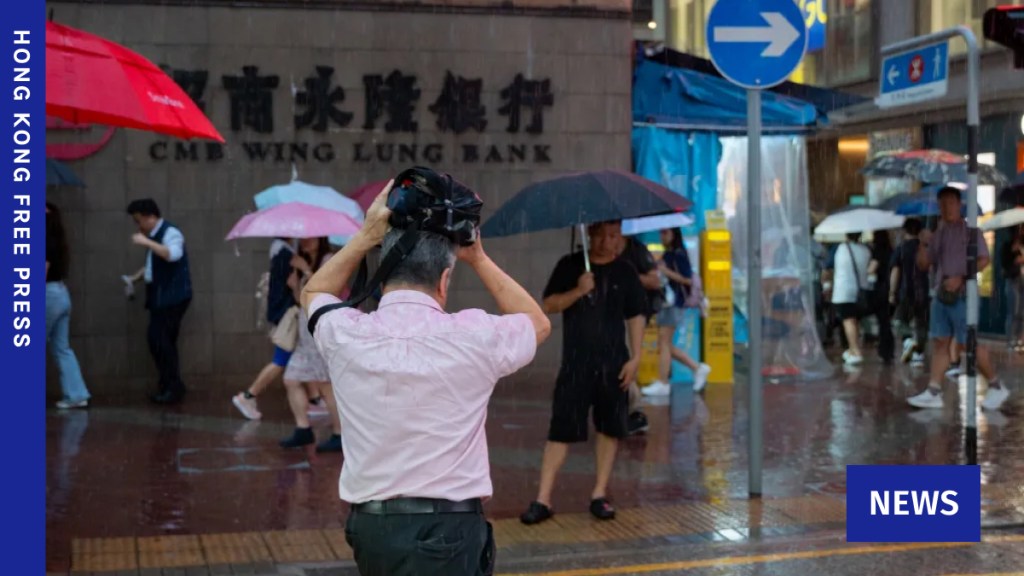
This past month was Hong Kong’s second-rainiest July on record, the city’s observatory has said, with a total of 20 amber rainstorm warnings and five red rainstorm warnings issued.
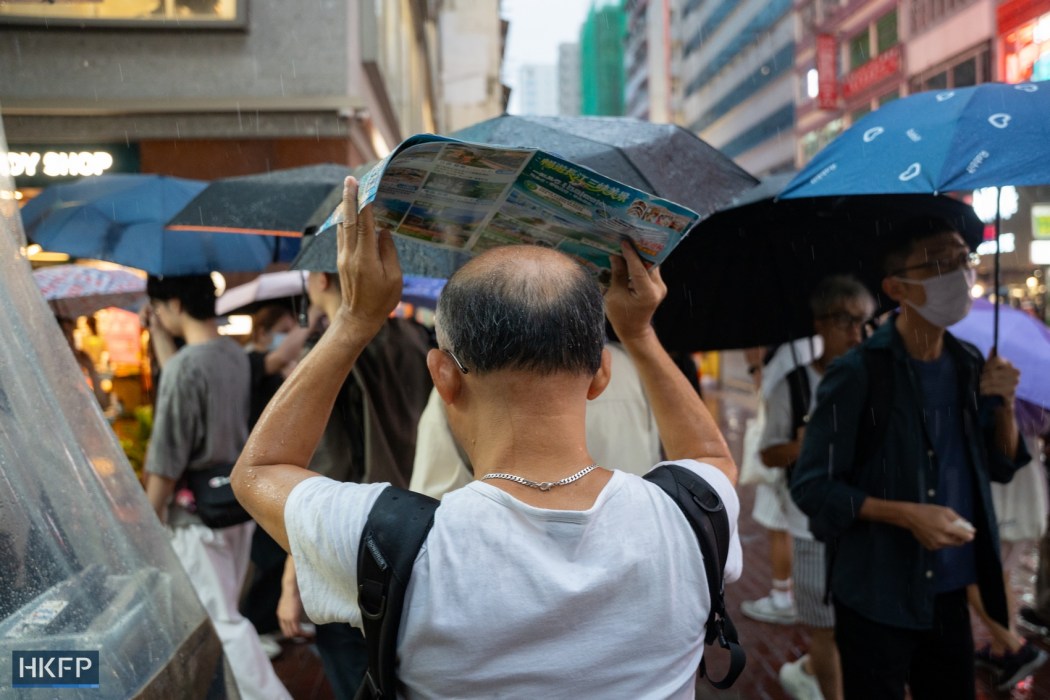
According to the Hong Kong Observatory (HKO), rain fell on all but four days in July: July 11, 12, 22, and 24.
The total monthly rainfall in July was 790.3 mm, more than double the average July rainfall, the HKO said in a Facebook post on Sunday.
According to the HKO’s records, which began in 1884, Hong Kong experienced the wettest July in 1994, with a total rainfall of 1,147.2 mm.
“Last month, we saw a broad trough of low pressure, an active southerly airstream, and rainfall associated with tropical cyclones Maysak and Noul,” the Chinese-language post read.
“As a result, Hong Kong’s weather throughout July was darker and wetter than usual.”
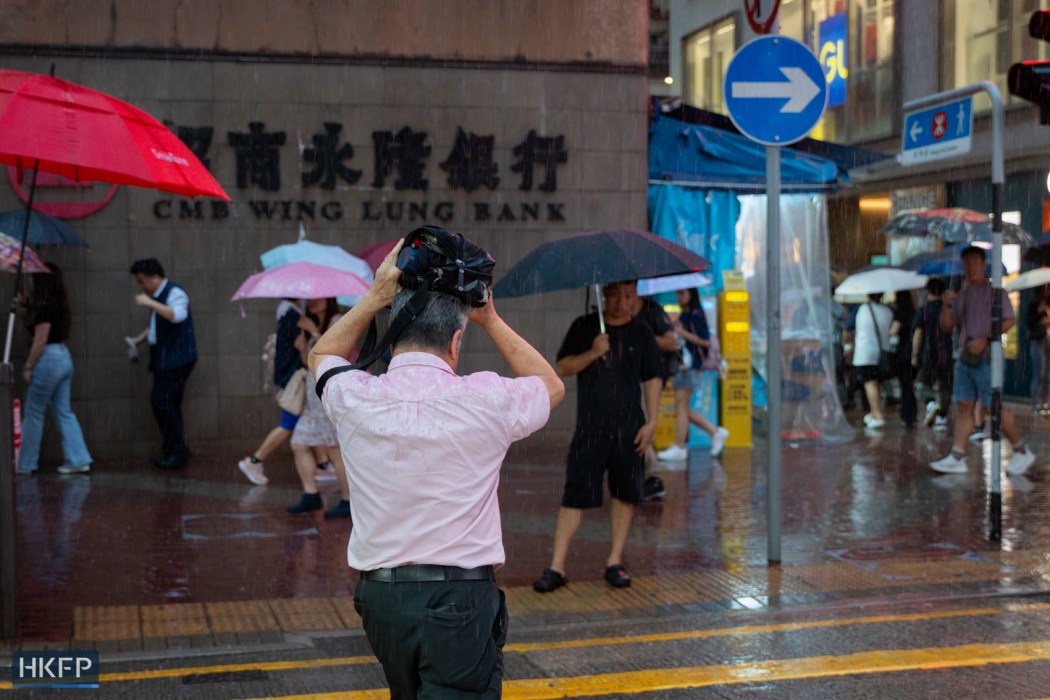
In July, the HKO issued a total of 20 amber rainstorm warnings and five red rainstorm warnings. No black rainstorm warnings were issued.
Last July, Hong Kong recorded a total rainfall of 601.7 mm. The HKO issued 14 amber rainstorm warnings, seven red rainstorm warnings and one black rainstorm warning.
‘Super-strong’ El Niño
The HKO warned earlier that the city may experience record-breaking high temperatures this year and next year due to climate change and forecasts of a “super-strong” El Niño event.
“According to the latest forecasts from multiple climate models, sea temperatures in the central and eastern equatorial Pacific will continue to rise, developing into an El Niño event in the summer and continuing until at least the beginning of next year,” HKO scientific officers Tse Kwan-shu and Tse Wai-po wrotein June.
According to the HKO, El Niño is a natural climate phenomenon whereby sea surface temperatures in the central and eastern equatorial Pacific become abnormally warm.
An El Niño event will bring “abnormally high temperatures” to many regions around the world, stronger typhoons and will alter seasonal rainfall patterns in some areas, resulting in rainfall that is either higher or lower than normal.