Energy red tape could ‘stall AI data centre boom’

Requiring data centres to put more energy into the grid than they take out is a nice concept but could delay projects driving the artificial intelligence boom, the opposition says.
Coalition housing spokesman Andrew Bragg said the opposition would not stand in the way of proposed laws to deal with concerns about the impact of the data centre boom on energy prices and water supplies.
But the prospect of more red tape as well as the government’s “punitive” taxes would further scare off innovation and diminish productivity, he said.

“It’s like saying do you want to have a sunny day,” Senator Bragg told ABC’s Insiders program on Sunday of Labor’s plan to tie data centres’ power and water needs to supplies.
“Of course, that’s a nice concept,” he said.
“But if they put it inside the (Environment Protection and Biodiversity Conservation) framework, for example, it will take eight years to get an approval, like it does in Australia if you want to get an oil or gas or renewable energy project off the ground.
“I mean, we are a country which takes forever to get things done.”
Prime Minister Anthony Albanese hopes legislation requiring data centre developers to underwrite new renewable energy generation will pass parliament in early 2027.
Commonwealth Bank commodities analyst John Oh said the proposal faced a mismatch in lead times to develop data centres and renewable energy generation projects.
“The key risk is that data centre demand arrives before generation comes online,” he said in a research note.
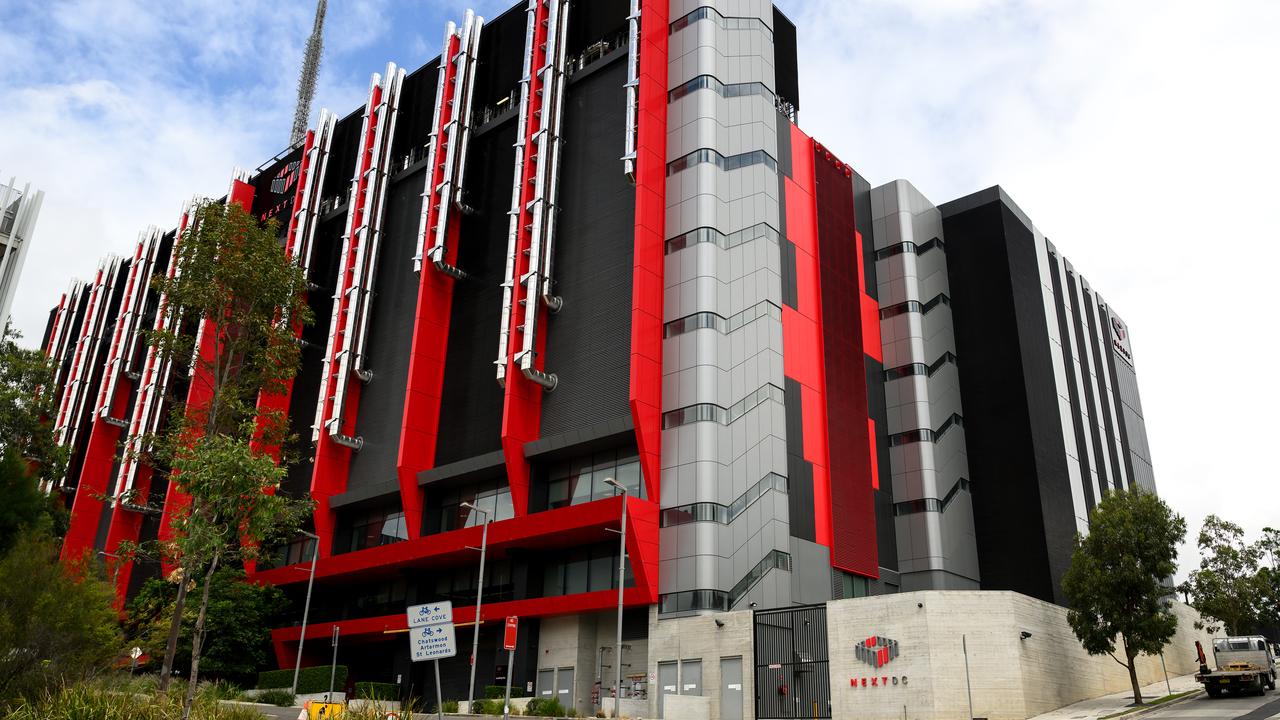
Westpac has estimated Australia’s data centre investment pipeline will exceed $155 billion, but will deliver an even larger pay-off in stronger productivity down the track.
Anthropic, a US-based company leading the AI race, told a Senate inquiry into Australia’s anaemic productivity growth that widespread adoption of AI could boost labour productivity by up to 1.2 percentage points.
That would restore productivity to the strong rates of growth experienced in the late 1990s and early 2000s, its submission said.
“(It) would – on its own – be sufficient to return Australia from the lower quartile of OECD productivity growth to the upper half,” the company said.
But Australia was missing out on AI’s productivity-boosting potential due to low adoption rates, Anthropic said.
It urged the government to consider policy to encourage more take-up.

Assistant minister Andrew Charlton said AI might be the most important technology of everyone’s lifetime, and Australia needed to decide whether it wanted to own it or rent it from abroad.
“If we are renting it from abroad, that means we are always paying foreigners for this technology, which will be so integral in our lives,” he told Sky News.
“And it’s also important for security. These data centres house your photos, house your medical records. So having that data in Australia has value to us.
“That’s why we need to get these data centres right, put tough standards on them so that they maintain their social licence, so they can deliver these benefits without imposing costs.”