China signals ‘new normal’ with coast guard patrols off eastern Taiwan
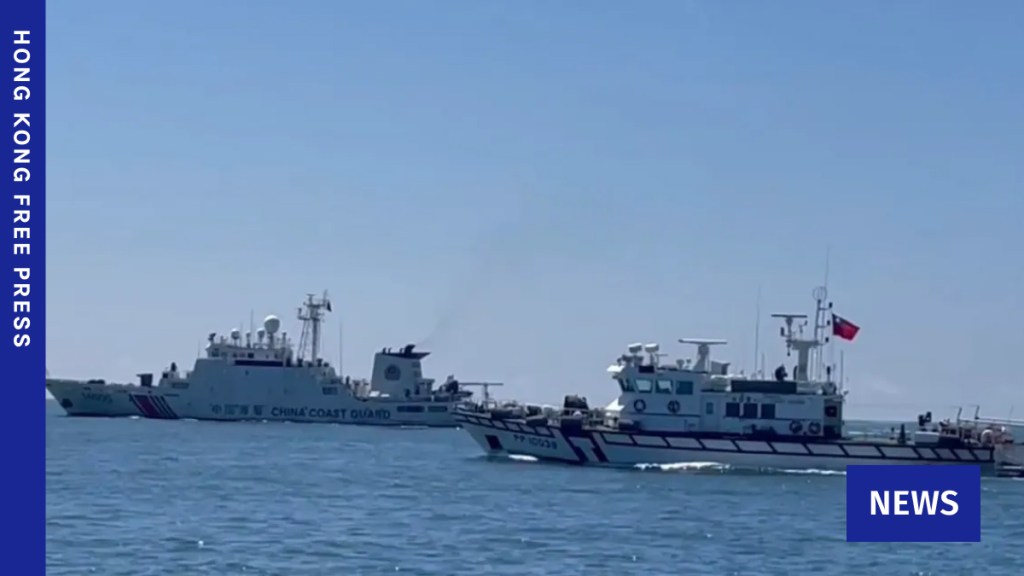
China has signalled its intent to maintain a new coast guard patrol east of Taiwan, analysts say, as Beijing dials up pressure on the self-ruled island that it claims is part of its territory.
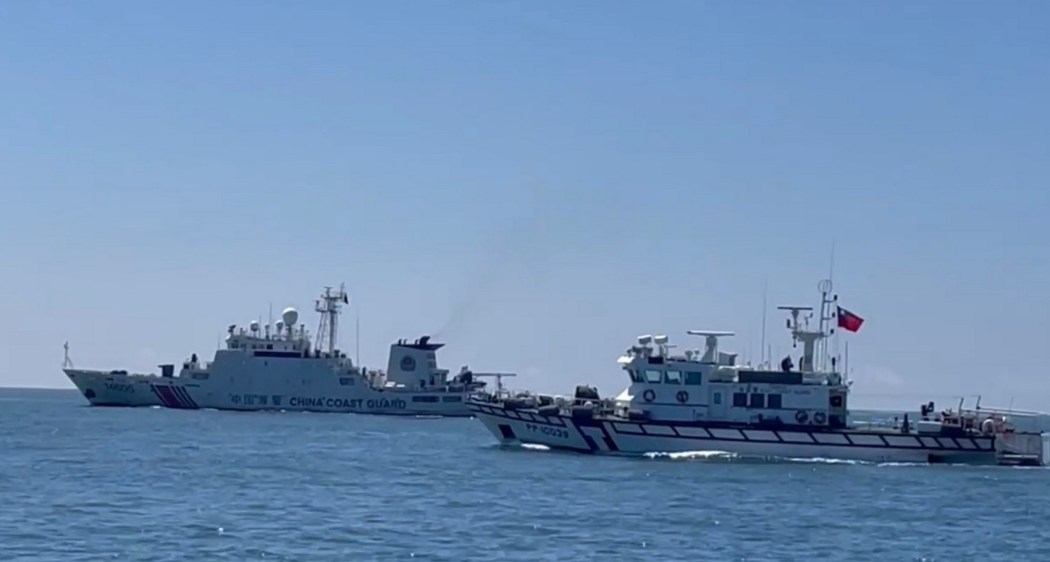
Tensions over Western Pacific waters off Taiwan spiked after the Chinese coast guard and other ships launched their first “law enforcement operation” in that area in June.
During the operation, the China Coast Guard for the first time radioed cargo ships passing Taiwan for information about their crew and destination.
Chinese state media said the operation was in response to talks between Japan and the Philippines to draw a boundary in those waters.
But Taipei branded it “expansionism in disguise” and several Western governments expressed concern over the “novel” activity.
China Coast Guard vessels patrolling the waters since then have been replaced by a second group that will “continue law enforcement patrols”, China Coast Guard spokesperson Jiang Lue said Saturday.
“China is essentially announcing a new normal,” Ray Powell, director of SeaLight, which monitors China’s maritime activities, told AFP.
China deploys fighter jets and navy ships around Taiwan on an almost daily basis, and Chinese coast guard ships regularly enter waters near Taiwan’s outer islands, including those off China.
Until June, however, China Coast Guard’s presence in waters east of Taiwan had been limited to “blockade-style military exercises”, William Yang, a senior analyst for the International Crisis Group, told AFP.
The patrols were “beyond just political signalling”, said Gregory Poling, director of the Asia Maritime Transparency Initiative at the Washington-based Center for Strategic and International Studies.
“Beijing appears to be claiming vast law enforcement rights across its claimed exclusive economic zone that go far beyond what is allowed by international law,” Poling told AFP.
Su Tzu-yun, a military expert at the Taipei-based Institute for National Defense and Security Research, said China’s patrols were establishing “new operational norms”.
“By conducting radio verification procedures for passing commercial vessels, China is effectively rehearsing the mechanisms required for a future blockade or quarantine,” he said.
‘Sashimi strategy’
For years, China has been steadily expanding its military and coast guard activities in waters around Taiwan and the region.
Taiwan’s National Security Bureau director-general Tsai Ming-yen said Monday that four Chinese formations including warships were operating in the Western Pacific, noting an “upward trend” in mobilisation during China’s peak maritime exercise season.
“We’ve tracked a record high of over 110 #PLAN & #CCG vessels” along the First Island Chain, National Security Council chief Joseph Wu said on X on Saturday.
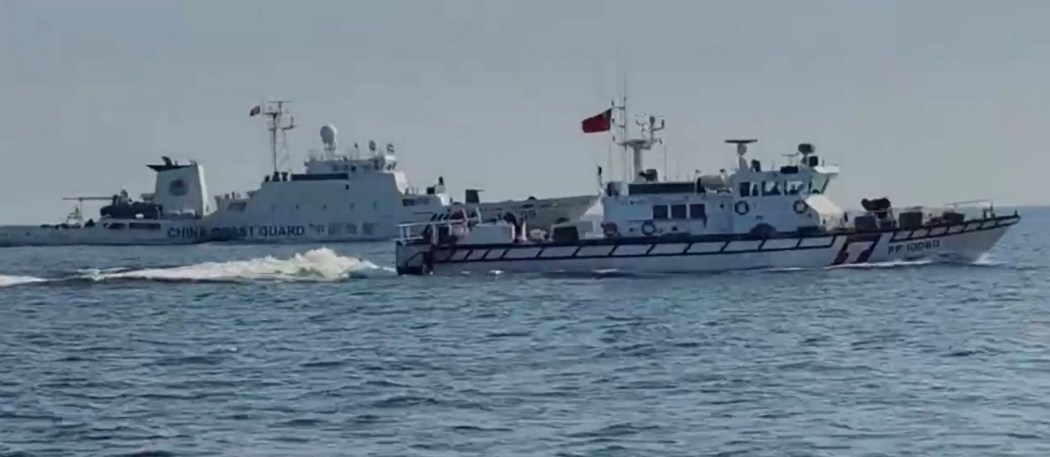
Taiwan has responded to China’s new coast guard patrol by deploying two of its own coast guard vessels to monitor the two Chinese ships.
The Chinese patrol has been generally operating between 74-124 nautical miles (137-230 kilometres) from Taiwan’s shores, which Taiwanese officials say is within the island’s exclusive economic zone.
During last month’s operation, Taiwan heard for the first time China Coast Guard contacting three passing cargo ships for information about their crew numbers and port of destination.
One of the cargo ships — a Singapore-flagged container ship — complied with China’s demands, a senior coast guard official has told AFP.
Taiwan’s Ocean Affairs Deputy Minister Sung Chen-en said Wednesday that China had attempted to “establish a model where the shipping community feels the need to report to them”, but failed.
Sung said China must be stopped “at the early stage” to ensure that it “never succeeds”.
“We will make sure that (the patrols are) not permanent because they are not supposed to be here,” Sung told AFP.
Chinese coast guard ships regularly patrol around the disputed Senkaku Islands, known as the Diaoyu in Chinese, which are administered by Tokyo but also claimed by Beijing, and the contested South China Sea, which China claims almost in its entirety.
“They seem to want people to understand that this is what they’re doing here,” Powell said of the patrols off Taiwan, describing them as “a step up the quarantine ladder”.
“It’s a very unsubtle signal that they intend to stay there for the long term.”
Su said it fits into China’s “methodical” approach to expanding patrols around the region as part of a “sashimi strategy”.
China is “making extremely thin, almost imperceptible slices that individually appear insignificant but collectively produce substantial changes to the strategic status quo,” he said.