Top court upholds law criminalising calls to boycott Hong Kong elections
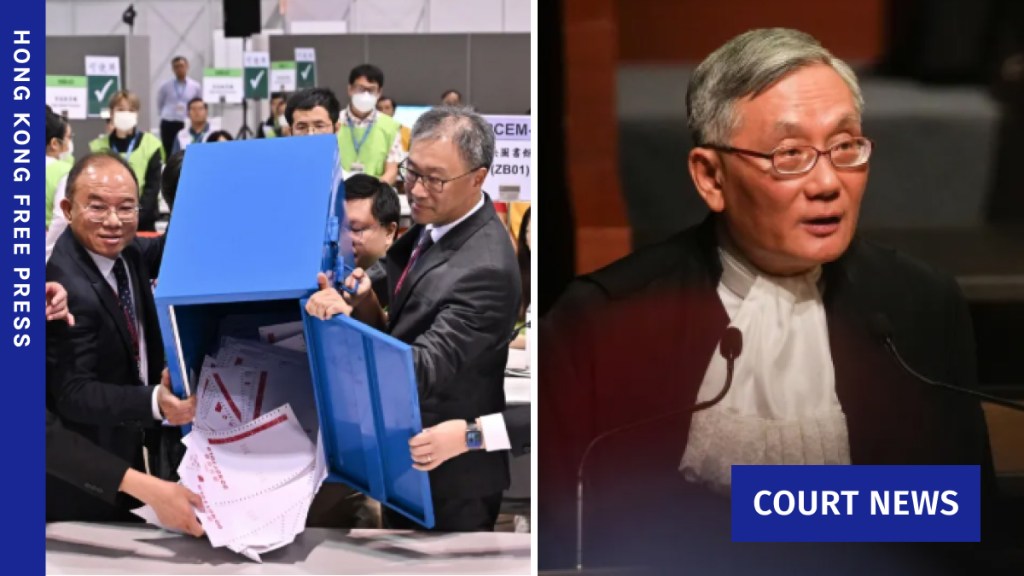
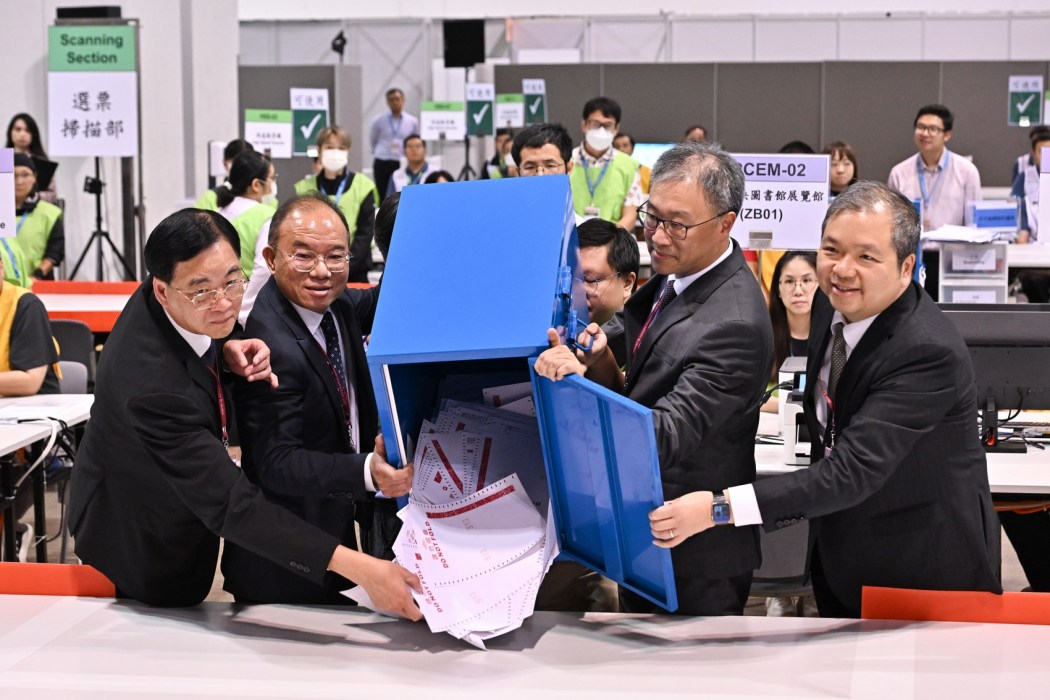
Hong Kong’s top court has rejected an appeal by a former student leader against a law which criminalises calls to boycott local elections by casting a blank vote.
Five Court of Final Appeal judges on Wednesday unanimously dismissed the appeal by Jacky So Tsun-fung, a former head of the now-disbanded student union of the Chinese University of Hong Kong.
Chief Justice Andrew Cheung said in a judgement that the section in the city’s Elections (Corrupt and Illegal Conduct) Ordinance, which outlaws calls to boycott an election, does not infringe upon fundamental rights such as freedom of expression.
Although casting a blank ballot or not voting is legal, encouraging others to do either remains unlawful.
Top court upholds law criminalising calls to boycott Hong Kong elections by HKFP
Anyone found to have violated the ordinance could face a maximum penalty of three years in prison and a fine of HK$200,000 upon conviction.
During the “patriots-only” Legislative Council elections in 2021, So shared a social media post by self-exiled former lawmaker Ted Hui calling on people to cast a blank ballots. He pleaded guilty in December 2022 and was handed a suspended two-month jail term.
Judge cites 2019 unrest
On Wednesday, the top judge said the legal provision in question was enacted as part of the 2021 electoral reforms and serves a legitimate purpose in safeguarding local elections following the “extremely serious civil unrest” in 2019.
Protests erupted in June 2019 over a since-axed extradition bill. They escalated into sometimes violent displays of dissent against police behaviour, amid calls for democracy and anger over Beijing’s encroachment. Demonstrators demanded an independent probe into police conduct, amnesty for those arrested and a halt to the characterisation of protests as “riots.”
Cheung said that calls to boycott an election by ways of casting a blank vote or not voting at all could undermine the “legitimacy, credibility, or representative mandate of the electoral process.”
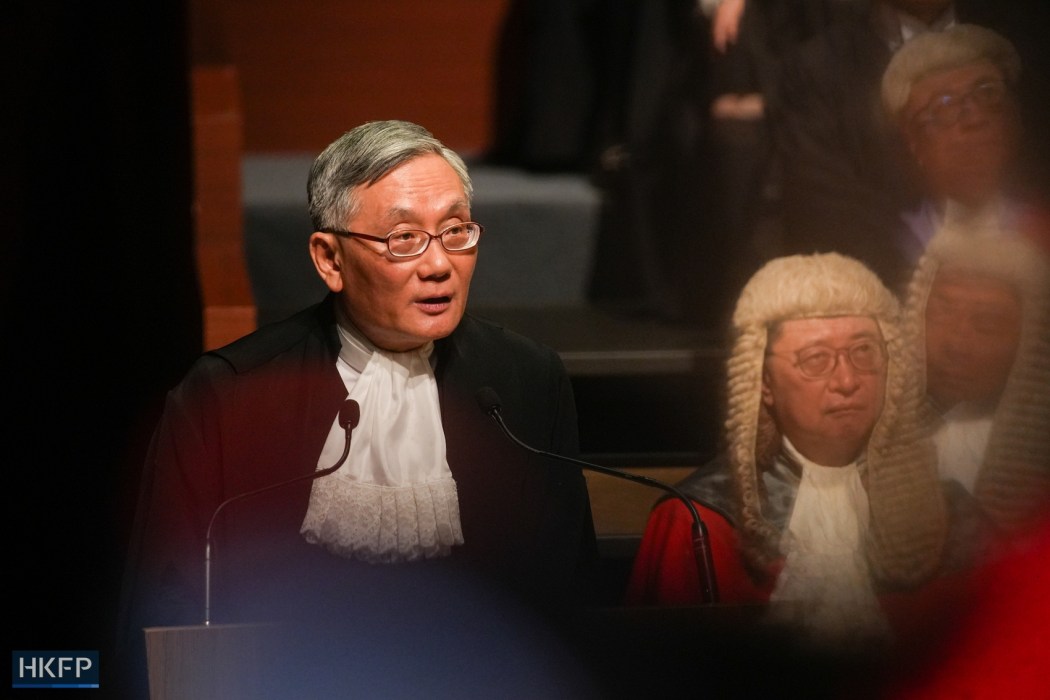
The law does not bar individuals from casting a blank vote or choosing not to vote, he noted, as it only bans the act of publicly inciting others to do so: “It is one thing for individual voters to choose not to vote, or to cast an invalid vote. It is quite another for voters to be publicly incited to do so on a mass scale,” Cheung wrote.
“It can hardly be disputed that such incitement, if successfully carried out, is liable to undermine the effective conduct of elections,” he added.
He said the law has imposed a “modest” and “carefully circumscribed” restriction to freedom of expression, targeting public incitement rather than private discussion or individual decision-making.
Cheung also dismissed the argument that the law favours voting participation and discriminates against the advocacy of casting an invalid vote or not voting, which are lawful electoral choices. He said boycott calls could undermine the election and therefore a differential treatment is justified.
In March 2021, Beijing passed legislation to ensure “patriots” govern Hong Kong. The move reduced democratic representation in the legislature, tightened control of elections and introduced a pro-Beijing vetting panel to select candidates. Authorities say the overhaul ensures the city’s stability and prosperity. But the changes also prompted international condemnation, as much of the traditional opposition remains behind bars, in self-exile or has quit politics.