Bird flu surveillance ramped up on coastline
Authorities insist there’s no bird flu crisis and no need to panic, despite a growing number of birds testing positive to the deadly virus along the Australian coastline.
Poultry farms have been asked to consider housing their birds indoors after the discovery of NSW’s first confirmed case of the H5N1 strain in a bird on the state’s Mid North Coast.
Agriculture minister Tara Moriarty called for calm on Sunday.
“I want to stress its the only one time that it has been found, we still have one bird that has tested positive,” Ms Moriarty told reporters.
“There is no crisis, there is no need to panic.”
Shoppers are also being urged to continue buying poultry and eggs as normal.
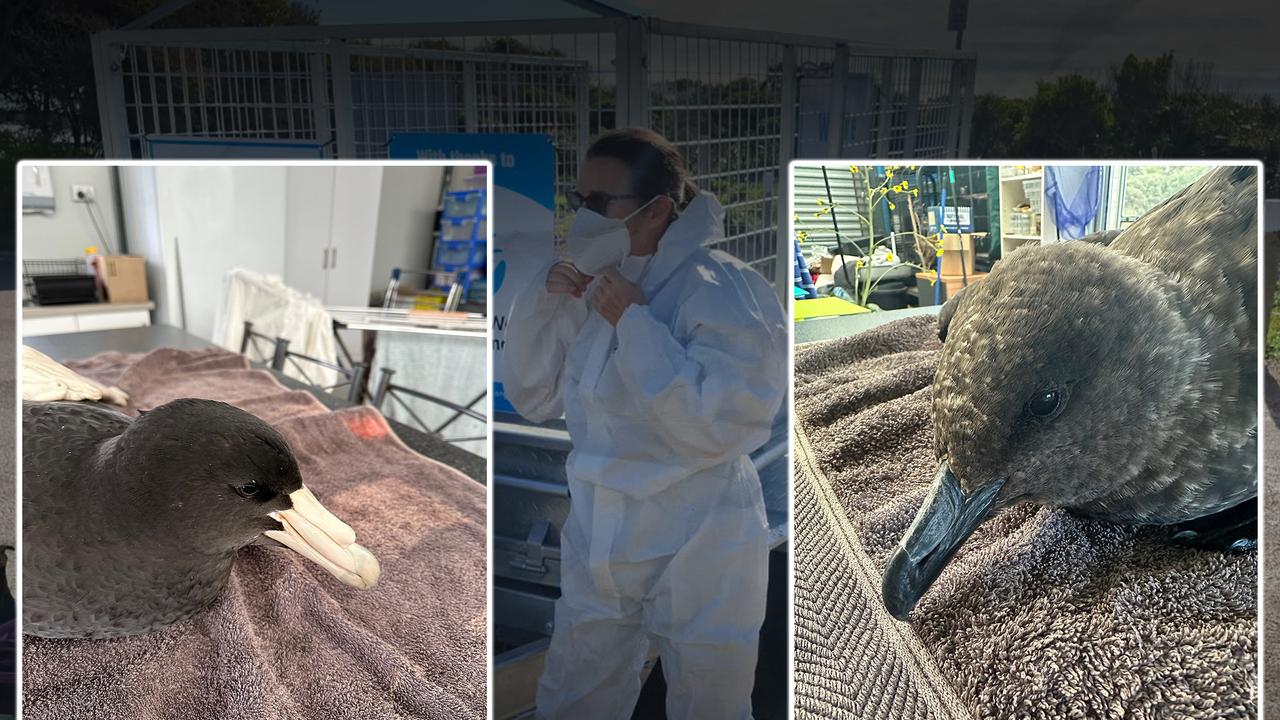
The deadly strain was confirmed in a migratory bird in NSW, making it Australia’s sixth confirmed case after five others were discovered in WA and SA.
Another suspected case was detected on Friday in a migratory bird in the northern Perth suburb of Mullaloo, and further testing is underway.
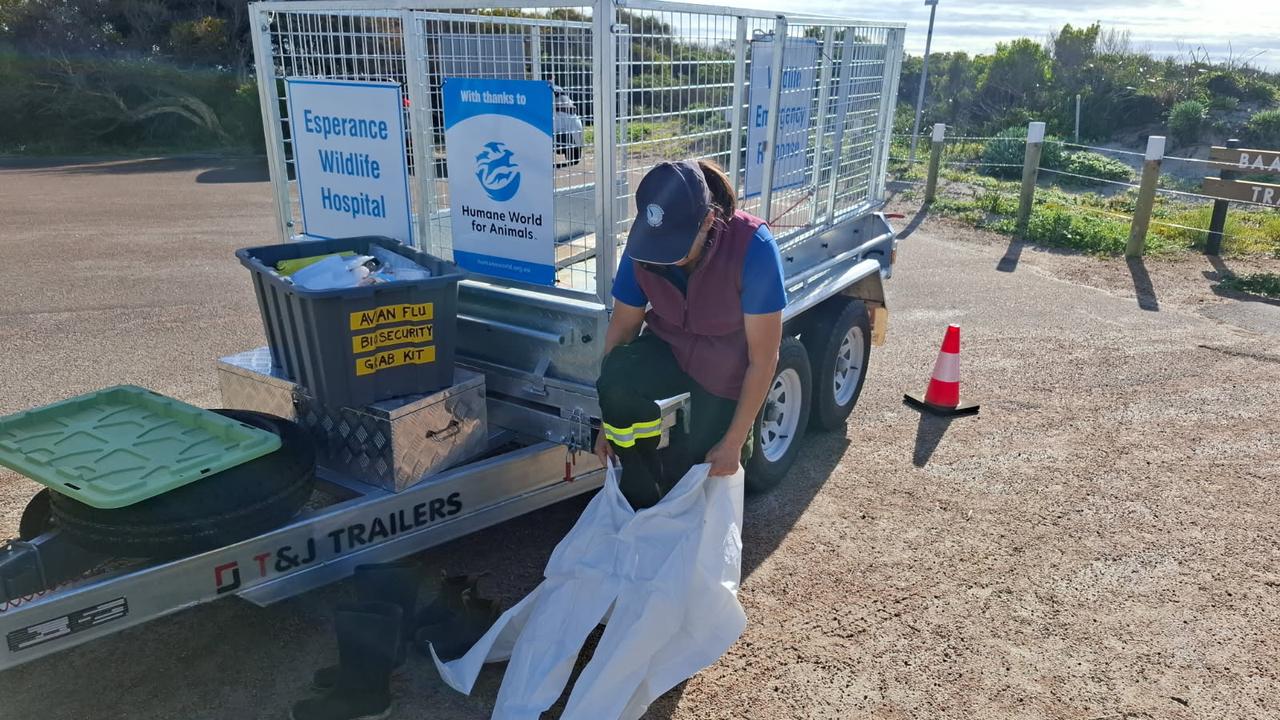
The strain was first detected on the Australian mainland on June 14 in a brown skua found in Esperance, on WA’s south coast.
NSW’s chief veterinary officer Jo Coombe said thousands of department staff, including 500 specially trained officers, have been deployed to bolster surveillance along the coastline.
“The reality is that we’ve got one bird, a wild bird, that has tested positive for H5N1 bird flu,” she said on Sunday.
“We know that bird is a bird that usually wouldn’t land in Australia and it’s … landed in Australia because it’s been sick.”

Invasive Species Council policy director Carol Booth warned surveillance won’t protect Australian wildlife if the disease reaches native species.
She urged the federal government to fund a $200 million resilience package to accelerate feral predator control, restore habitat, and protect breeding sites.
‘This killer disease has been wiping out millions of birds around the world. The impact this could have on Australia’s native birds and sea mammals as it continues to spread is frightening,” Dr Booth told AAP.
Until June, Australia had been the only continent free of the highly contagious virus, which has wiped out millions of birds worldwide and also killed mammals.
The public has been urged to avoid contact with sick or dead wildlife and report any finds to an emergency hotline, as well as recording locations and taking photos.