Pride and resilience in Seattle’s LGBTQ+ spaces
Each week on The Newsfeed, host Paris Jackson and a team of veteran journalists dive deep into one topic and provide impactful reporting, interviews and community insights from sources you can trust. Each day this week, this post will be updated with a new story from the team.
Seattle Pride pivots as corporate sponsors pull back
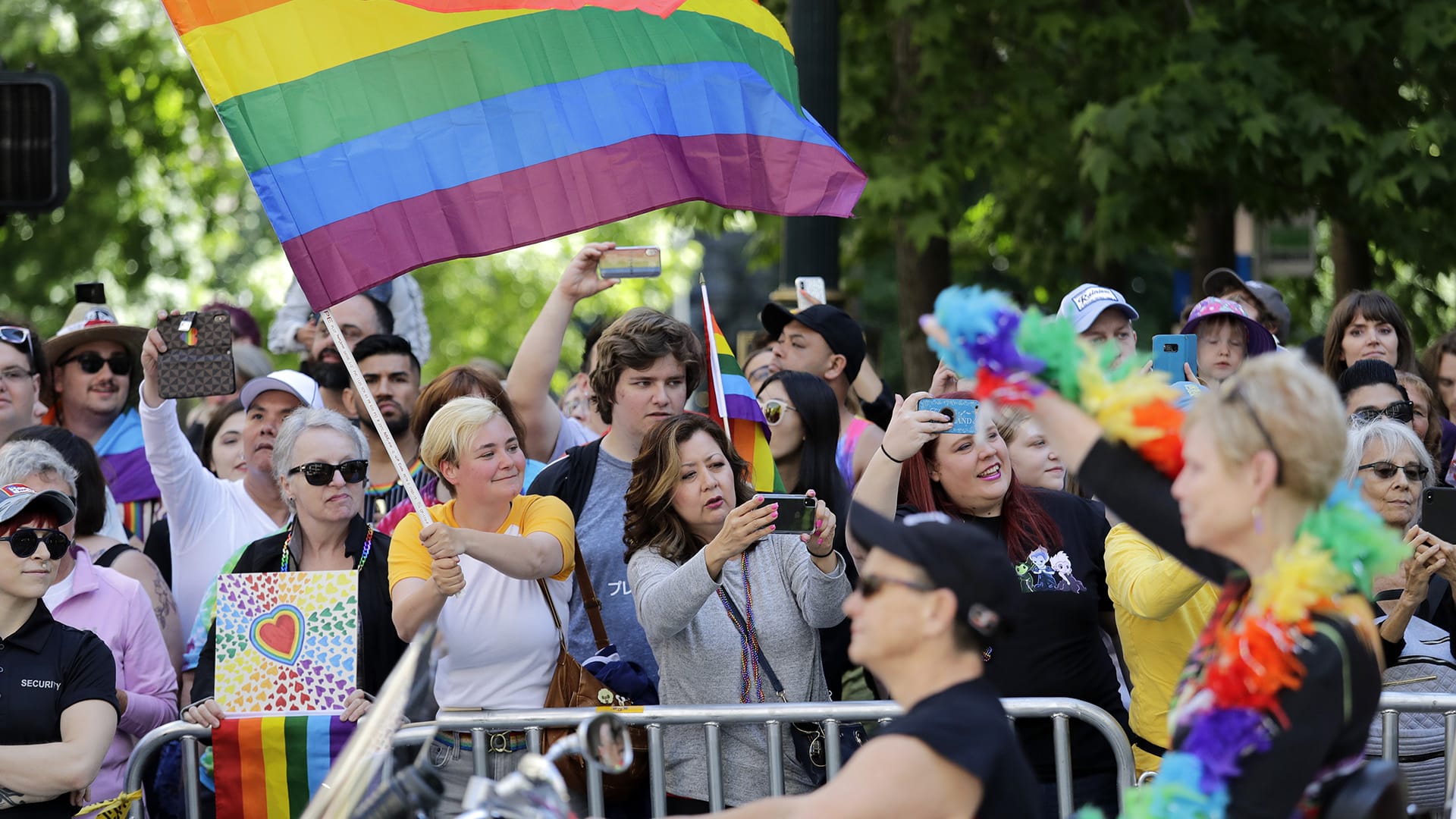
Seattle Pride, the host of the city’s annual Pride Parade each June, is shifting how it raises money as corporate sponsorship continues to shrink.
According to Executive Director Patti Hearn, corporate sponsorship revenue for the parade dropped during the pandemic, then again last year. Historically, the organization relied heavily on corporations for funding.
“We realized pretty early last year that we had to fill in gaps, and that we weren’t going to hit our usual corporate sponsorship number. We were already doing a lot of like, really healthy organizational work around diversifying revenue, so that all made sense, but it did galvanize a little bit to go a little bit faster and a little bit harder on some of the things.”
Hearn said the non-profit received $200,000 in grant funding last year. That, plus an increase in donations from individuals, are helping fill the shortfall. Hearn said the average gift from an individual is $120.
The money covers the costs to shut down streets for the 1.7-mile parade route and erect several stages and a bandstand.
Last year, the Trump administration released an executive order targeting diversity, equity, and inclusion programs, which Hearn believes impacted corporate fundraising.
“I think that has that panic has subsided some, but what has replaced it is companies going, “Oh, we don’t actually have to, like, maybe it’s not a benefit to us to support the visibly queer organizations, or maybe those were never our values, and we were only doing it because we thought we needed to do what everybody else was doing, you know. So, it’s hard to say, it’s hard to say if they always felt that way and were doing it because they were on the bandwagon, or now that they’re responding to something in the administration.”
The Pride Parade starts at 11am on June 28. The route runs along Fourth Avenue from Westlake Avenue to the Seattle Center.
Individuals can donate at the organization’s website.
LGBTQ+ youth find support at Lambert House in Seattle
By Paris Jackson, story published 06/01/2026
June is Pride Month. This week we’re exploring many facets of the LGBTQ+ community, and the challenges and triumphs of individuals and families.
One agency in Seattle, the Lambert House, continues to be a safe space for hundreds of LGBTQ+ youth from ages 10 through 22.
In recent years, anti-trans and anti-LGBTQ+ legislation across the country has garnered a lot of media and federal administration attention.
The Lambert House’s executive director says Seattle is relatively protected, and historically a very supportive environment.
“Nevertheless, we had eight anti-LGBTQ bills introduced in the Washington state legislature. None of them were passed into law. But youth that are growing up here are aware that there are people, including local leaders, elected officials, who want to see them disappear, who want to see them invisible, who want them not to exist. So that’s a very stressful environment in which to be growing up,” said, Ken Shulman, Lambert House LGBTQ Youth Center Executive Director.
Shulman says he’s aware of families moving to Washington state from red states to better protect their trans children. There is significant emphasis for youth who walk through the doors of The Lambert House to feel safe.
“In terms of hope, what Lambert has provides them is a peer group that’s large; 723 youth last year in our programs. So you’re going to find a friend if you’re looking for a friend and often more than one, maybe a group of friends that you become part of, and that decreases the likelihood that they’re going to turn to alcohol or other drugs as a coping mechanism for the stress of being in this minority. It decreases their depression and their sense of loneliness, their sense of hopelessness, their sense of never being loved,” Shulman said.
Shulman says more than 100 volunteers, most of whom are LGBTQ+ or allies, span the spectrum of backgrounds, education, income and careers. He says they are important role models for the youth they serve.